
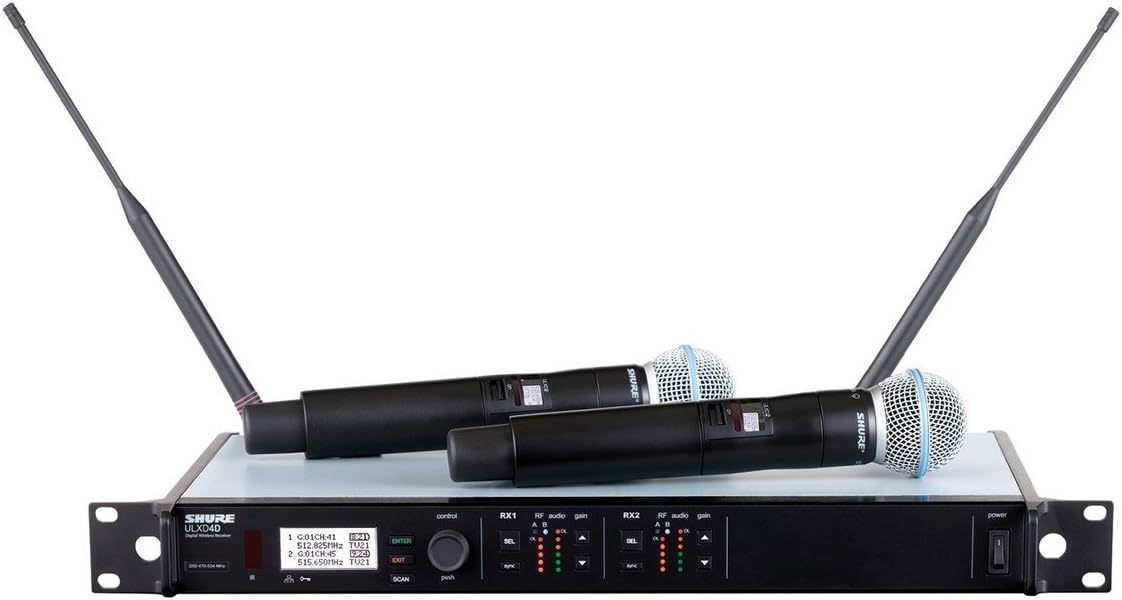
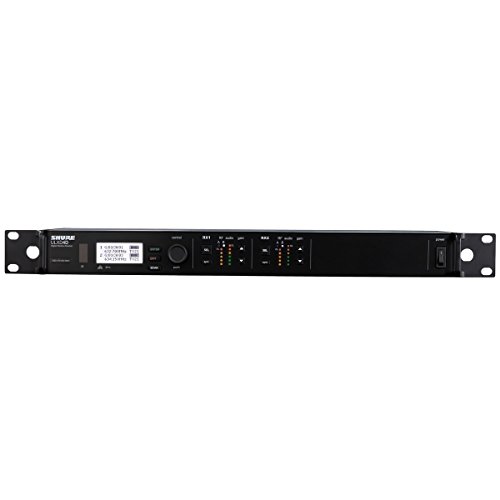
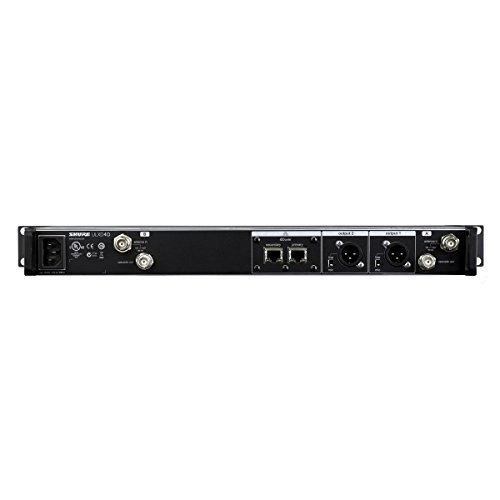


I read the Shure ULXD24D/B58 as a serious live-voice wireless system, not a casual grab-and-go microphone. The recorded product dimensions are 23 x 6 x 18 inches, which tells me this belongs with PA, stage, church, conference, venue, or production gear rather than in a small creator bag. The item model number is ULXD24D/B58 H50, and the manufacturer is Shure Incorporated.
How I’d Think About Building Around the ULXD24D/B58 H50
I would not buy the ULXD24D/B58 as a standalone solution. A wireless microphone system still needs somewhere to send audio: a mixer, powered speaker, installed PA, processor, or interface. My first check would be the rest of the signal chain. If the venue already has proper cabling, rack space, power, and a mixer position, this kind of system makes much more sense.
I’d also plan the boring parts before ordering: receiver placement, power access, the correct audio cables for the destination system, and battery management for the handheld transmitter. Wireless convenience is real, but it does not remove setup work. If anything, it adds another layer compared with plugging in a wired vocal mic.
Where the Shure Wireless Format Makes Sense to Me
The appeal here is obvious: a handheld vocal-style microphone without a cable tying the person to one spot. I’d consider this type of system for presenters, worship leaders, moderators, vocalists, stage hosts, and performers who need to move naturally while staying connected to the PA.
The H50 part of the model number matters to me because wireless systems are not universal in the way a simple XLR mic is. I’d want to confirm that this frequency variant fits the region, the venue, and any other wireless equipment already in use. Local rules, nearby RF activity, antenna placement, and coordination can all affect whether a wireless setup is the right call.
The date first available, December 10, 2014, also frames this as a mature professional category product rather than a trendy consumer mic. That can be a positive if the goal is integration into established live-sound workflows, but it also means I’d be checking compatibility and support details carefully before committing.
Who Should Skip the Shure ULXD24D/B58
- Solo desk creators: I’d look at a USB mic or a simple interface-and-mic setup instead.
- Small rooms with no movement: a wired handheld mic is usually simpler and easier to maintain.
- Travel-light users: at 23 x 6 x 18 inches, this is not the kind of setup I’d choose for minimal packing.
- Anyone avoiding RF planning: wireless gear requires attention to frequencies, placement, power, and coordination.
My Buying Take on the ULXD24D/B58 H50
I’d shortlist the Shure ULXD24D/B58 H50 for organized live environments where wireless handheld voice coverage is actually needed. I would not spend on a system like this just to avoid one cable in a simple room. My honest limitation here is that I’m judging from the product identity, recorded facts, and category requirements—not from hands-on testing—so I’d verify the frequency fit and system compatibility before buying.
Reviews
There are no reviews yet.