
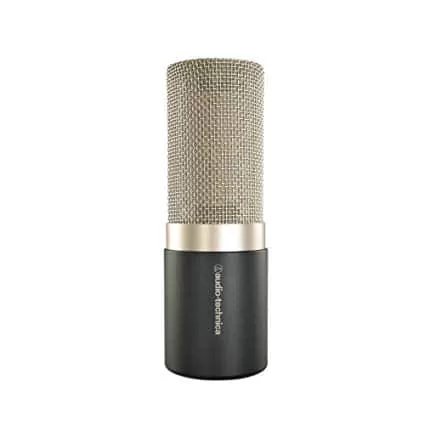
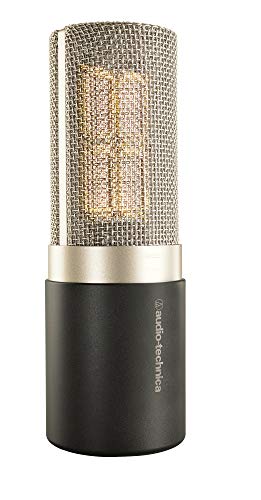

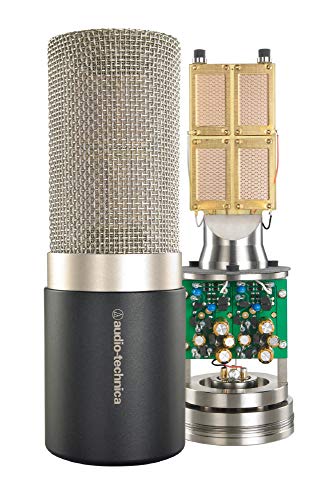

As I read the Audio-Technica AT5040 spec sheet, this is not a casual desktop microphone dressed up in studio clothing. It is a corded XLR mic with an aluminum body, a black and silver finish, and a listed weight of 6.99 pounds. That tells me it belongs in a planned recording position, not in a backpack or on a flimsy stand next to a laptop.
I would look at the AT5040 if I were building around a proper XLR signal chain and wanted the microphone to live in one place. I would not buy it expecting plug-and-play convenience. This is the kind of product where the rest of the setup matters just as much as the mic itself: stand, cable, interface or preamp, room, and monitoring all need to be taken seriously.
Why I’d treat the AT5040 as a fixed studio microphone
The XLR connector is the first important clue. The AT5040 is meant for a traditional recording path, not direct USB use. That gives you more control over the chain, but it also means there is more to own, connect, and understand before you get a signal recorded.
The listed 17 x 17 x 7-inch product dimensions and 6.99-pound item weight also shape my recommendation. I would plan for a secure stand or boom arm before ordering it. I would not want a microphone with this kind of physical presence perched on a bargain desktop mount or constantly moved from room to room.
What I’d check before putting it in a cart
Before buying the AT5040, I’d confirm that my recording space is ready for a serious corded XLR microphone. If the room is untreated, noisy, or constantly changing, I would solve that first. A mic like this does not remove the need for a controlled environment; if anything, it makes the rest of the setup more important.
I’d also make sure the existing gear fits the workflow. Since this is not a USB microphone, anyone expecting to connect straight to a computer should pause. The AT5040 makes more sense when an audio interface or preamp is already part of the system, or when the buyer is comfortable building that chain.
Who I think should skip the AT5040
- Skip it if: you want a lightweight travel mic, a direct USB connection, or the simplest possible beginner setup.
- Consider it if: you are building a permanent vocal, instrument, or studio desk position around XLR hardware.
- My main caution: the size, weight, and corded XLR format demand planning; this is not a low-effort convenience purchase.
Reviews
There are no reviews yet.