
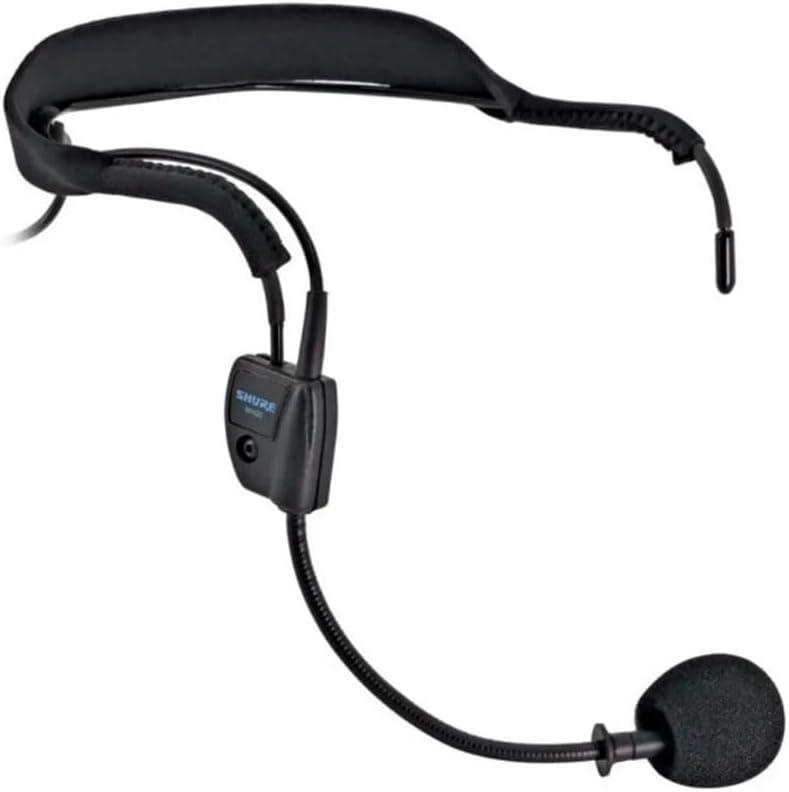
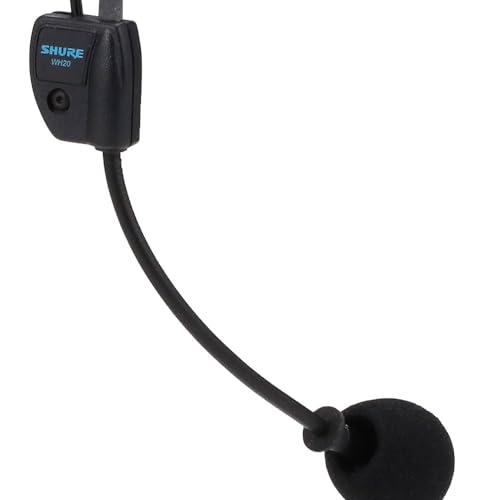
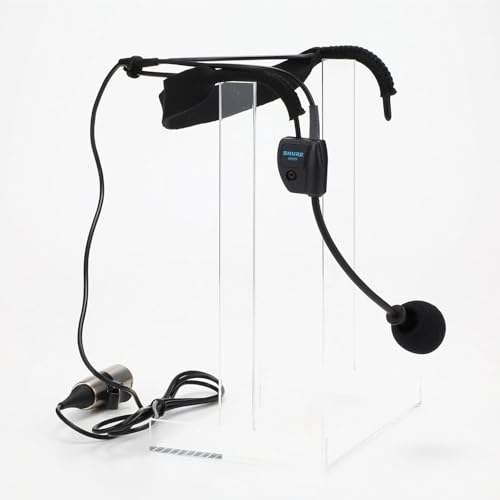

Headset microphones are about solving one practical problem: keeping the mic in a consistent position while the person speaking keeps moving. My read of the Shure WH20XLR is that it is aimed at instructors, presenters, performers, and hands-free speaking setups where a conventional handheld or stand mic would get in the way.
Why I’d look at the WH20XLR for an XLR-based rig
The key detail here is the connector. The WH20XLR uses a 3-pin male XLR connection, so I’d think of it first for a mixer, PA system, speaker setup, or audio interface that already accepts XLR. If your setup is built around that kind of gear, this is the right general direction: a wired headset mic that stays in the professional audio lane rather than trying to be a casual phone or laptop accessory.
I would not buy it expecting simple plug-and-play use with every device. XLR is common in sound systems, but it is not the same as USB, Bluetooth, or a basic headset jack. If I were ordering this for a school, church, small venue, or presentation system, I’d check the input type on the mixer or speaker first.
The spec that matters most to me is the 5.4-ounce weight
For a headset, weight is not a side detail. The WH20XLR is listed at 5.4 ounces, and that is the figure I’d pay attention to before anything else. A headset microphone lives on the head, so comfort and stability matter more here than they would with a mic sitting on a stand.
- Model: WH20XLR
- Color: Black
- Connector: XLR, 3-pin male
- Weight: 5.4 ounces
- Dimensions: 7.7 x 6.4 x 3.2 inches
- Material noted: Foam
- Power source: Corded electric
What I’d double-check before buying
The biggest limitation is compatibility. I’d skip the WH20XLR if I needed a microphone for a phone, tablet, camera, or basic laptop input without extra gear. It is also not the right pick if wireless movement is the priority, since this is listed as a corded electric model.
One listing detail I’d verify before ordering is the battery note: it says 1 Lithium Ion battery is required, while also listing the power source as corded electric. That kind of mismatch is worth checking with the seller or manual so there are no surprises.
Who I think should consider it
I’d consider the Shure WH20XLR if I already had an XLR-ready sound system and wanted a black, lightweight, wired headset mic for speech, instruction, or hands-free presentation. I’d skip it for USB simplicity, consumer-device convenience, or any setup where an XLR input is not already part of the plan.
Reviews
There are no reviews yet.