

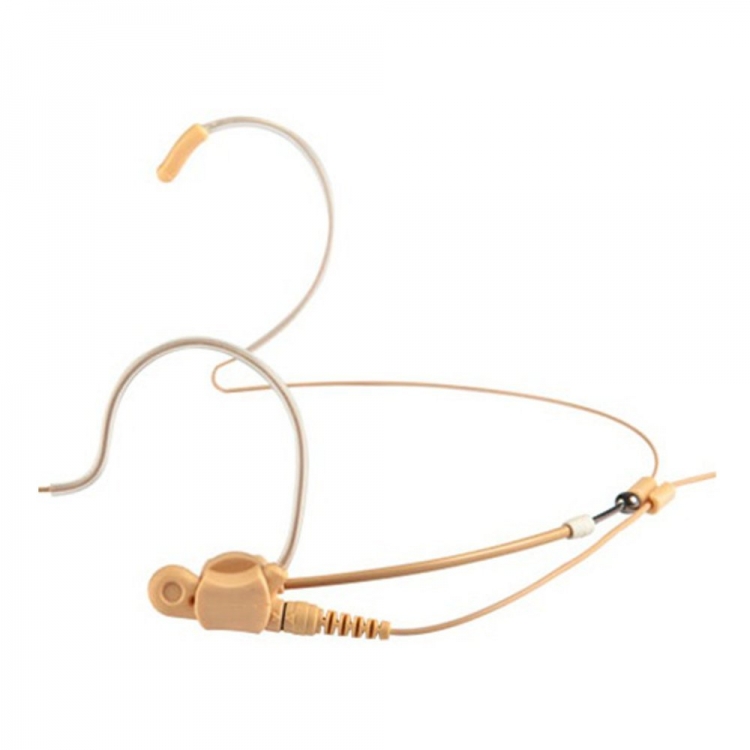
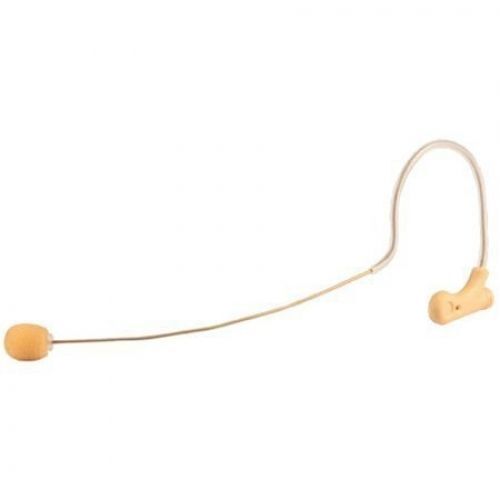

I’m looking at the Apex 575 from APEX LEGENDS as a spec-sheet buy, not as something I’ve had on a stand. On paper, it is a microphone-only condenser with an XLR connector, a listed weight of 10.24 ounces, and an omnidirectional polar pattern. That last point matters most to me: this is not a mic designed to focus tightly on one voice from the front while rejecting the rest of the room.
How I’d think about the Apex 575 in an XLR setup
Because the Apex 575 uses XLR connectivity, I would treat it as part of a proper recording chain: mixer, audio interface, recorder, or another XLR-capable input. I would not buy it expecting a simple plug-and-play laptop mic experience, and I’d check the rest of my gear before ordering.
The listing calls out the microphone as the included component, so I would budget mentally for everything around it: stand, XLR cable, pop filter if needed, and the device that will receive the signal. Since this is a condenser microphone, I’d also want to confirm that my input setup is appropriate for a condenser before assuming it will fit neatly into the chain.
Where the omnidirectional Apex 575 makes the most sense
My read of the Apex 575 is that it is best suited to situations where broad pickup is the point. An omnidirectional pattern can make sense for room tone, group speech, ambience, acoustic sources in a controlled space, or a source that may not stay perfectly in front of the capsule.
- I’d consider it for: capturing a wider sound field without fussing over exact front-facing placement.
- I’d be cautious with it for: single-voice work in a noisy room, desk setups with keyboards and fans, or any situation where rejection is more important than openness.
The limitation I would not ignore
The honest limitation is built into the polar pattern. An omnidirectional microphone hears broadly, which can be useful, but it also means room noise, reflections, nearby people, and unwanted sources are harder to avoid. If the recording space is untreated or busy, I’d think twice before choosing this over a directional microphone.
I’d also flag the listing language carefully: it mentions “Wireless, XLR,” while the connector and connectivity are listed as XLR. Before buying, I’d verify exactly what is included and how it is meant to connect.
Who I’d tell to skip the Apex 575
I’d skip the Apex 575 if you need a USB microphone, an all-in-one bundle, or a strongly directional vocal mic for isolating one speaker. I’d look at it only if an XLR, microphone-only, omnidirectional condenser fits the recording setup you already have or are prepared to build.
Reviews
There are no reviews yet.