
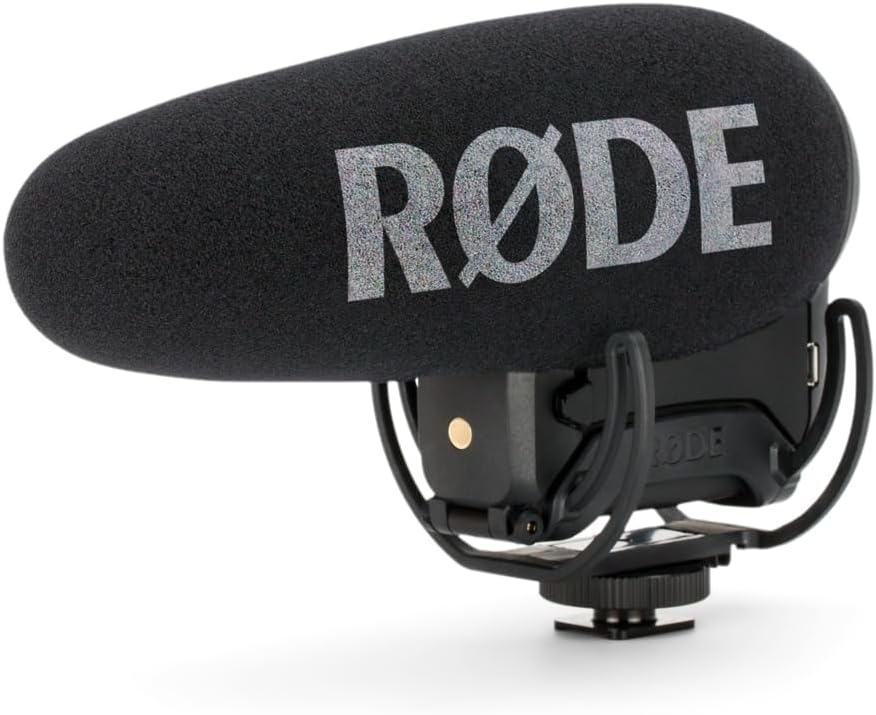
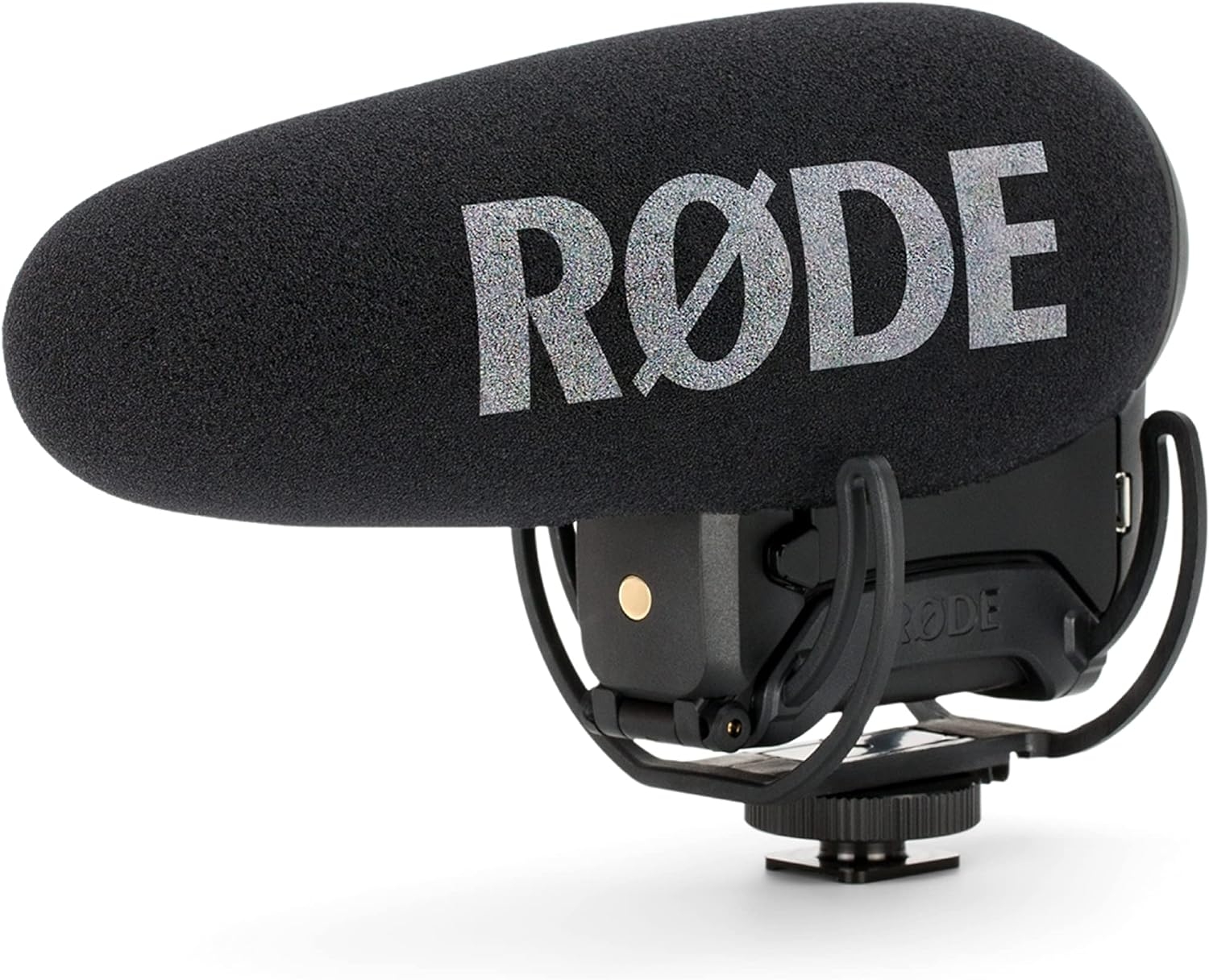
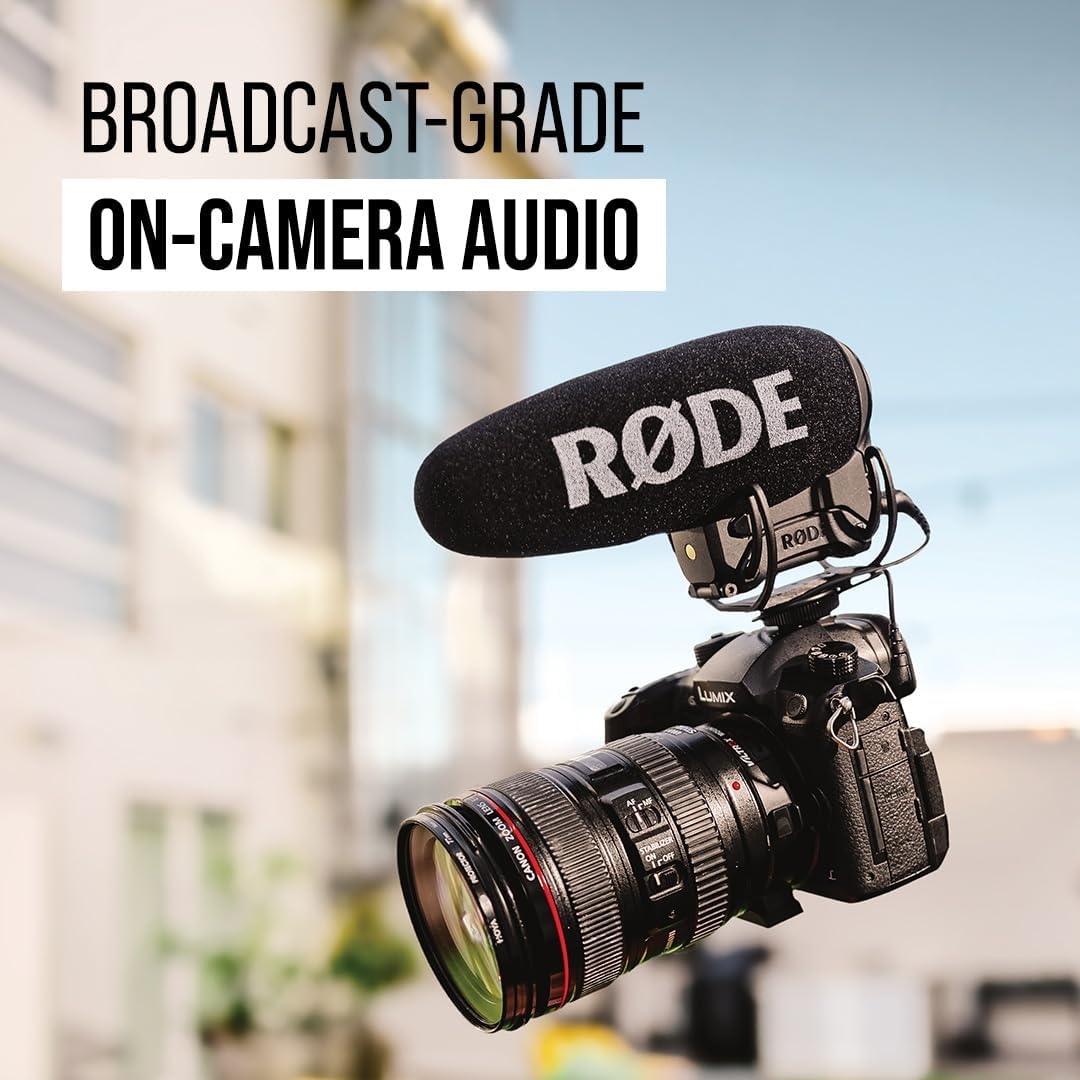

Camera audio is usually a directionality problem before it is anything else. The subject is in front of the lens, while the room, crowd, traffic, and handling noise can come from anywhere. My read of the Rode Videomic Pro Shotgun is that it is meant for creators who want a simple, camera-compatible shotgun mic aimed at that problem: a focused, unidirectional microphone for video work, not a general studio mic or a wide ambience capture tool.
Why I’d treat this Rode as a focused camera mic
The important spec is the unidirectional shotgun form factor. I’d look at this for talking-head clips, interviews, product videos, and run-and-gun camera work where the main sound source is in the same direction as the lens. It is listed for camera use, with a black body measuring 4.3 x 6.69 x 2.59 inches and a weight of 4.3 ounces, so I’d think of it as part of a compact camera rig rather than a handheld microphone or desk setup.
It is also a single-channel microphone. That matters. I would not buy it expecting stereo room width or separated speaker tracks. The value proposition here is straightforward mono pickup aimed where the camera is aimed.
What I’d check before pairing it with a camera
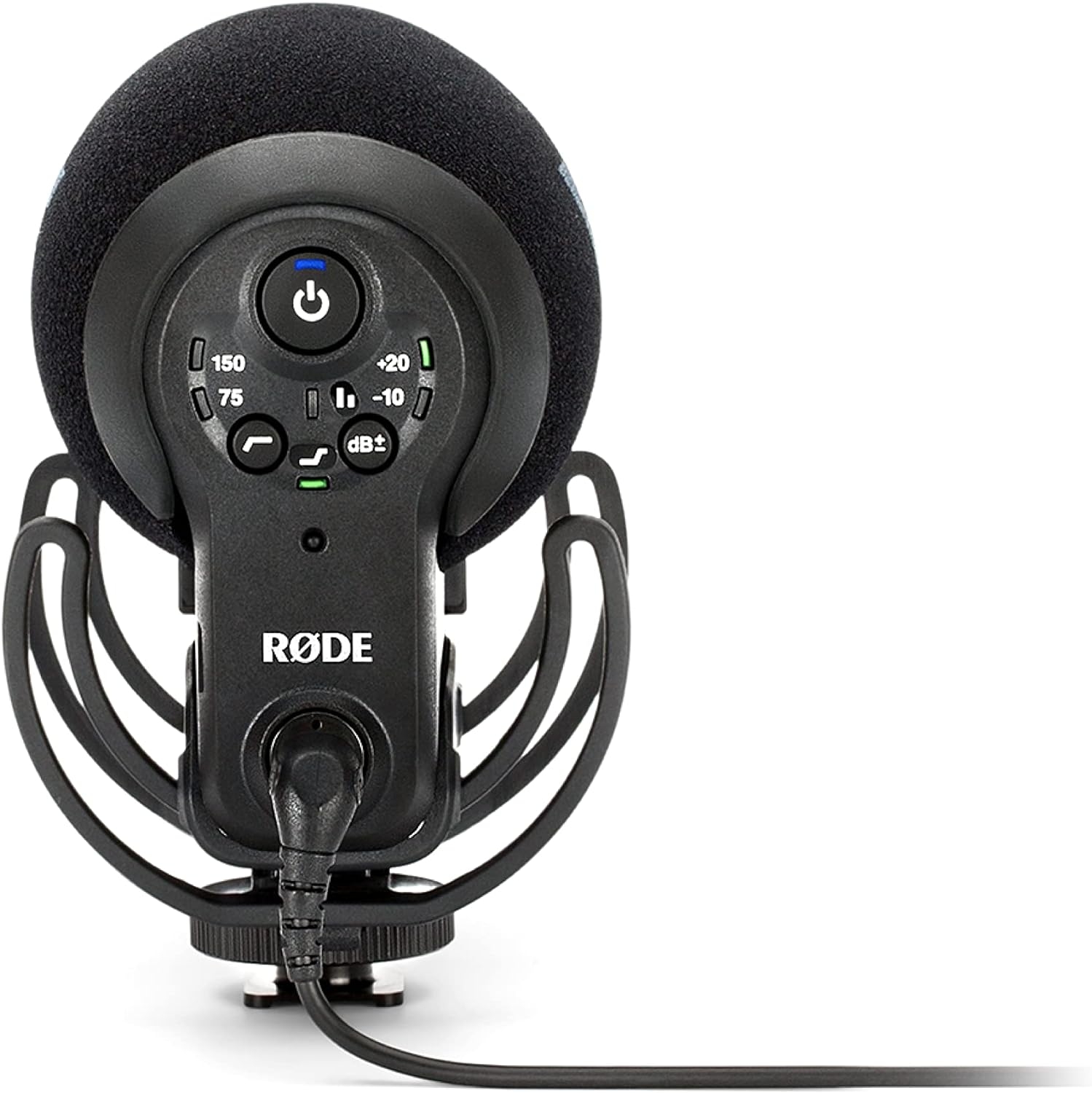
The included components are listed as the VideoMic Pro+, LB-1, and a TRS cable. The recorded connectivity and connector type are both listed as USB, which is exactly the kind of spec detail I would double-check against my camera before ordering. If your camera workflow depends on a specific input type, I would not assume compatibility without verifying the connection path first.
Power is another practical point. This is a battery-powered microphone and requires one included lithium polymer battery. For short shoots, that keeps the setup self-contained. For longer shooting days, I’d plan charging and backup power instead of treating it like a passive accessory I can forget about.
Who I’d recommend it to, and who should skip it
I’d consider the Rode Videomic Pro Shotgun for solo creators, camera operators, and video makers who want a compact directional mic for one main source in front of the camera. It makes the most sense when simplicity matters and the project does not need complex routing.
- Choose it if you want a camera-focused, unidirectional shotgun microphone for single-source video.
- Skip it if you need stereo ambience, separate tracks for two speakers, a wireless lavalier system, or an XLR microphone for a mixer or pro audio interface.
- Double-check it if your camera input requirements are strict, because the listing includes both USB connection details and a TRS cable.
Reviews
There are no reviews yet.