
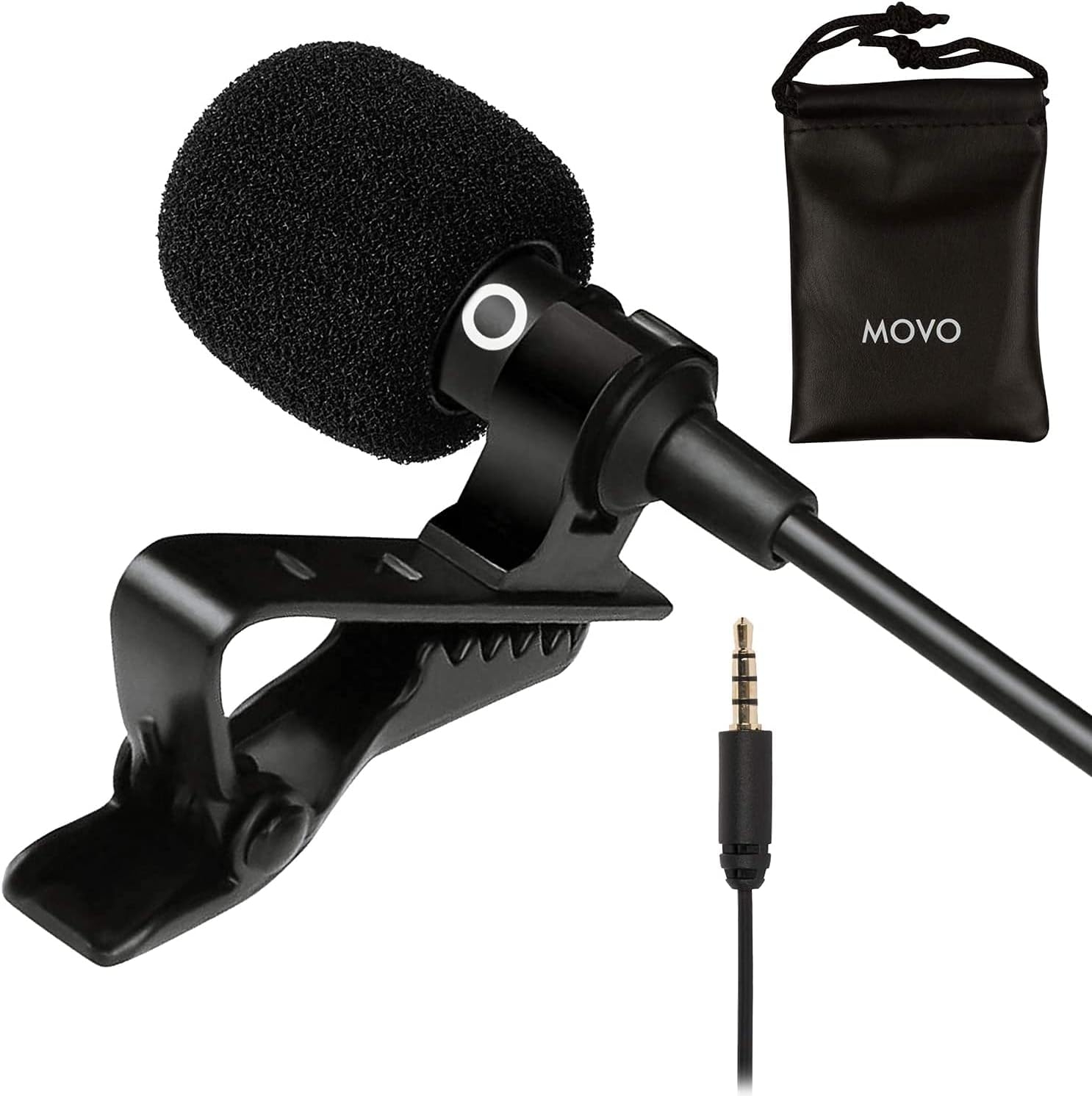

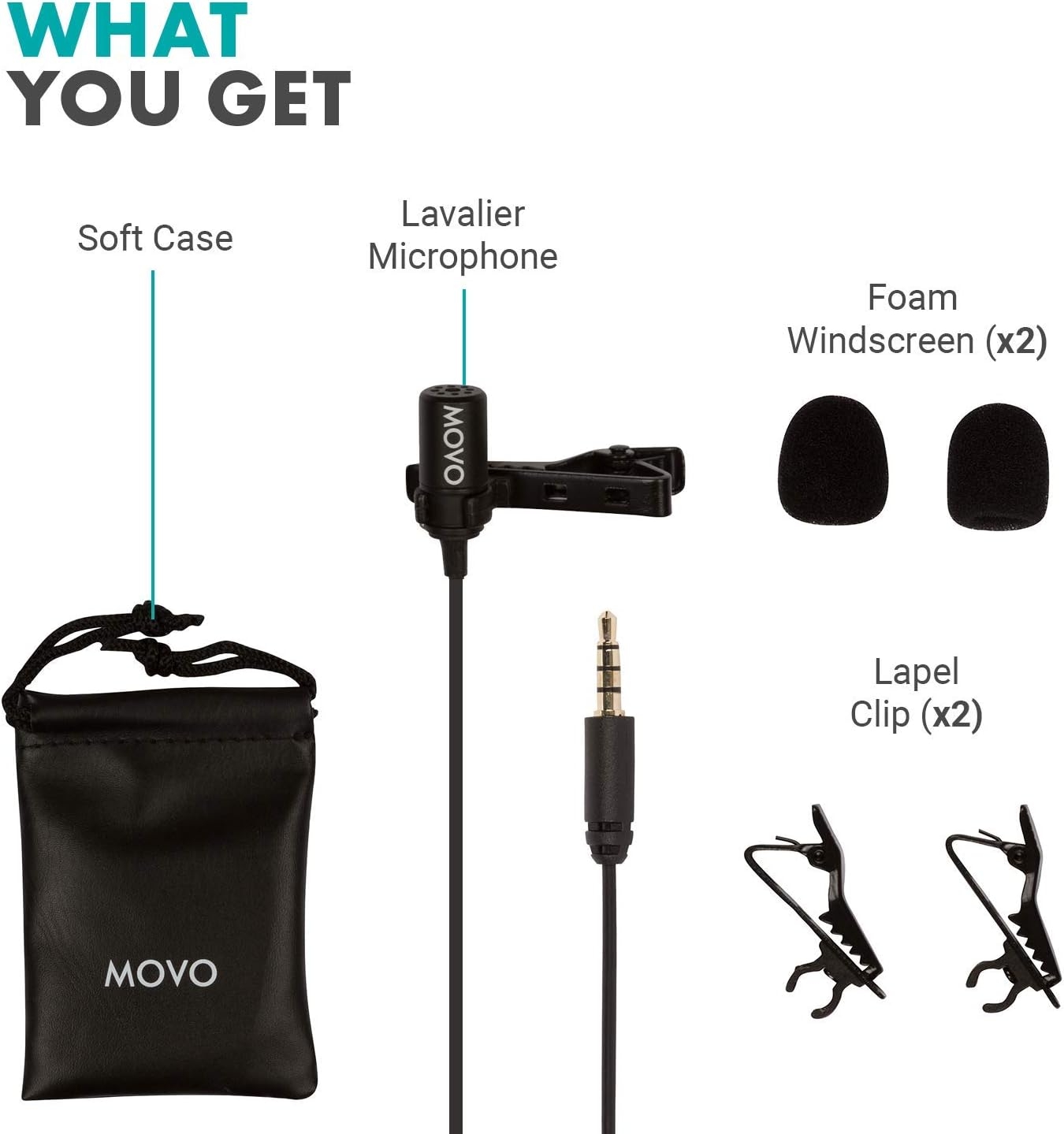

I look at the Movo PM10 as a straightforward problem-solver: it gets a small microphone closer to a speaker than a camera or smartphone mic usually can. On paper, this is a black clip-on lavalier-style mic with auxiliary connectivity, a 3.5 mm jack, battery power, and compatibility listed for cameras and smartphones. I would not treat it as a studio tool or a complete production system. I would treat it as a compact speech mic for people who want a simpler way to record dialogue, vlogs, presentations, or casual interviews.
Why the clipped omnidirectional design matters
The most important part of the PM10’s spec sheet is not the size or the color; it is the combination of a clip and an omnidirectional polar pattern. The clip is useful because placement usually matters more than almost anything else for spoken-word recording. If I were trying to improve voice capture on a small camera or smartphone setup, getting the mic near the mouth would be the first move I would make.
The omnidirectional pattern also makes sense for this kind of microphone. It should be less fussy about exact aiming than a directional mic, which is helpful when someone turns their head or moves naturally while speaking. The honest limitation is that omnidirectional pickup is not magic isolation. I would not choose this if the goal were to separate one voice from traffic, wind, nearby chatter, or a noisy room. Close placement helps, but the pattern still accepts sound from around the mic.
What I would check before ordering the Movo PM10
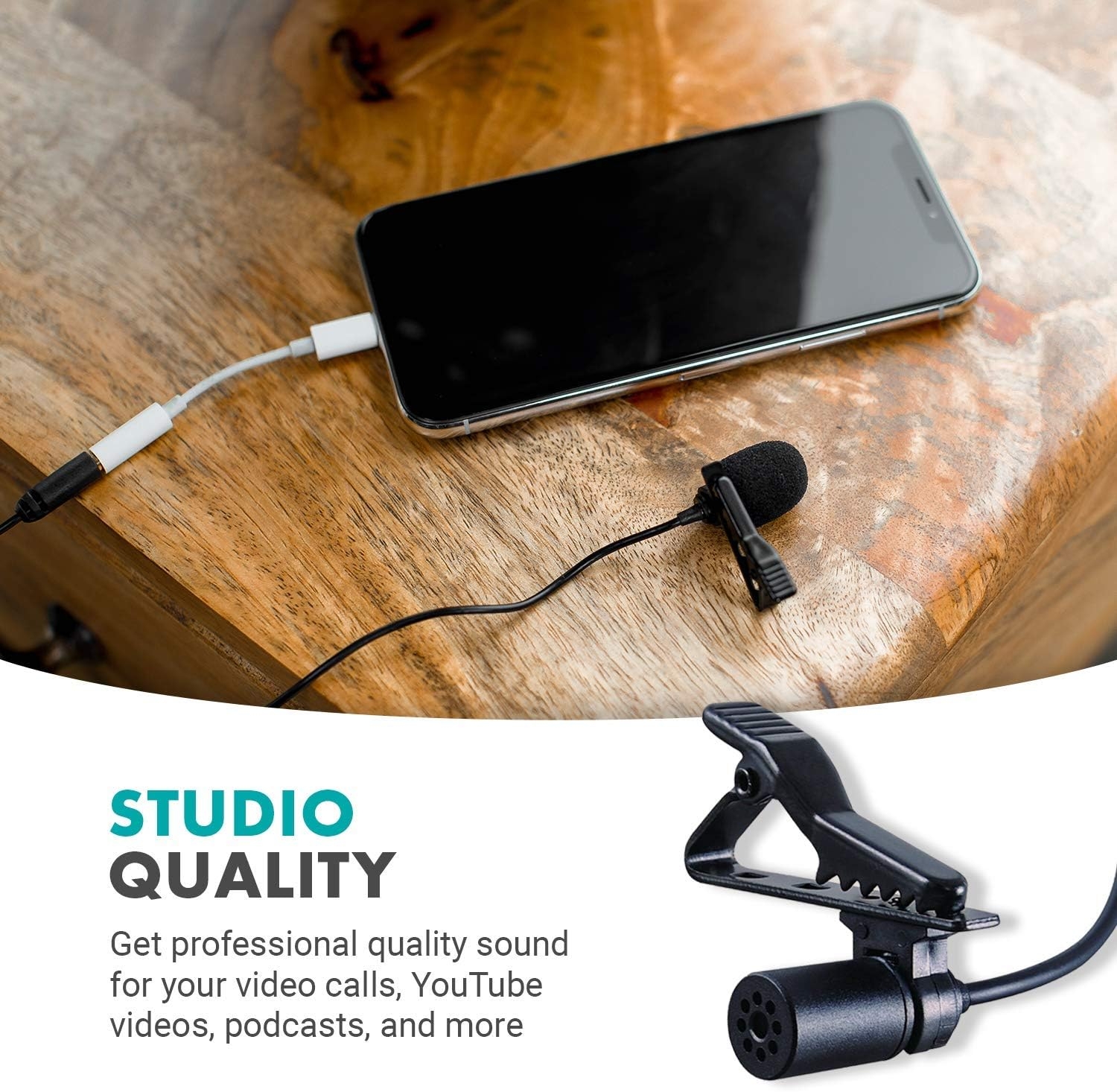
The PM10 uses a 3.5 mm jack and is listed for cameras, smartphones, and tablets, so compatibility is the big checkpoint. I would make sure the recording device actually has the right microphone input, and I would pay special attention with modern phones, since many no longer offer a native 3.5 mm port. This is not a USB mic, and it is not an XLR mic for an interface or mixer.
I would also note the battery-powered design. The listing calls for one lithium ion battery, which means there is one more thing to manage before recording. That is not necessarily a dealbreaker, but it is different from a passive lavalier that simply draws power from the connected device. At 4.33 x 3.15 x 0.79 inches and 1.58 ounces, the PM10 reads as easy to keep in a small camera or mobile kit.
Who I would and would not buy it for
- Good fit: smartphone, tablet, and camera users who want a small clipped microphone for simple spoken-word recording.
- Good fit: vloggers, presenters, and casual interview setups where close mic placement is the main upgrade.
- Skip it: anyone needing USB, XLR, multi-channel recording, or stronger rejection of surrounding noise.
Reviews
There are no reviews yet.