

Why I’d Treat the AT2035 as a Proper XLR Mic, Not a Shortcut
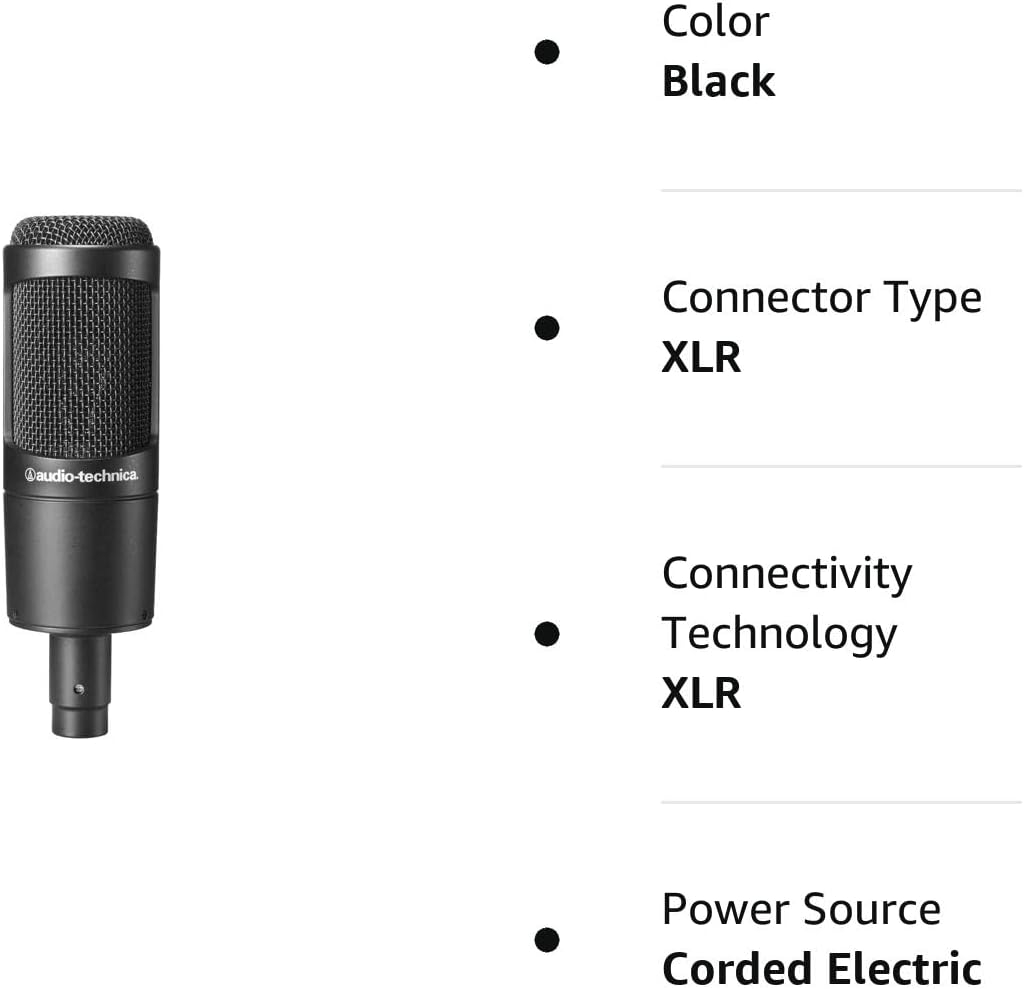
My read of the Audio-Technica AT2035 is that it belongs in a real recording chain, not in a quick plug-and-play desk setup. It uses an XLR connection, and its listed compatible device is an audio interface, so I’d plan the purchase around that from the start. This is not the microphone I’d point someone toward if they want the simplest possible computer connection.
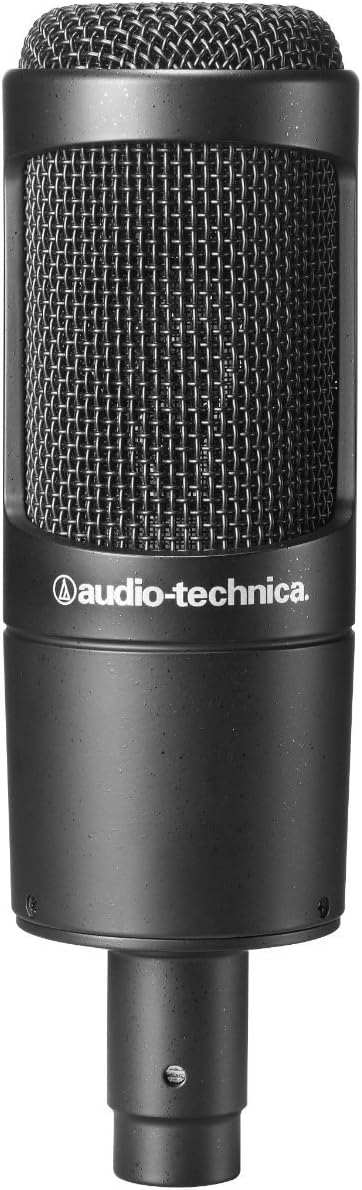
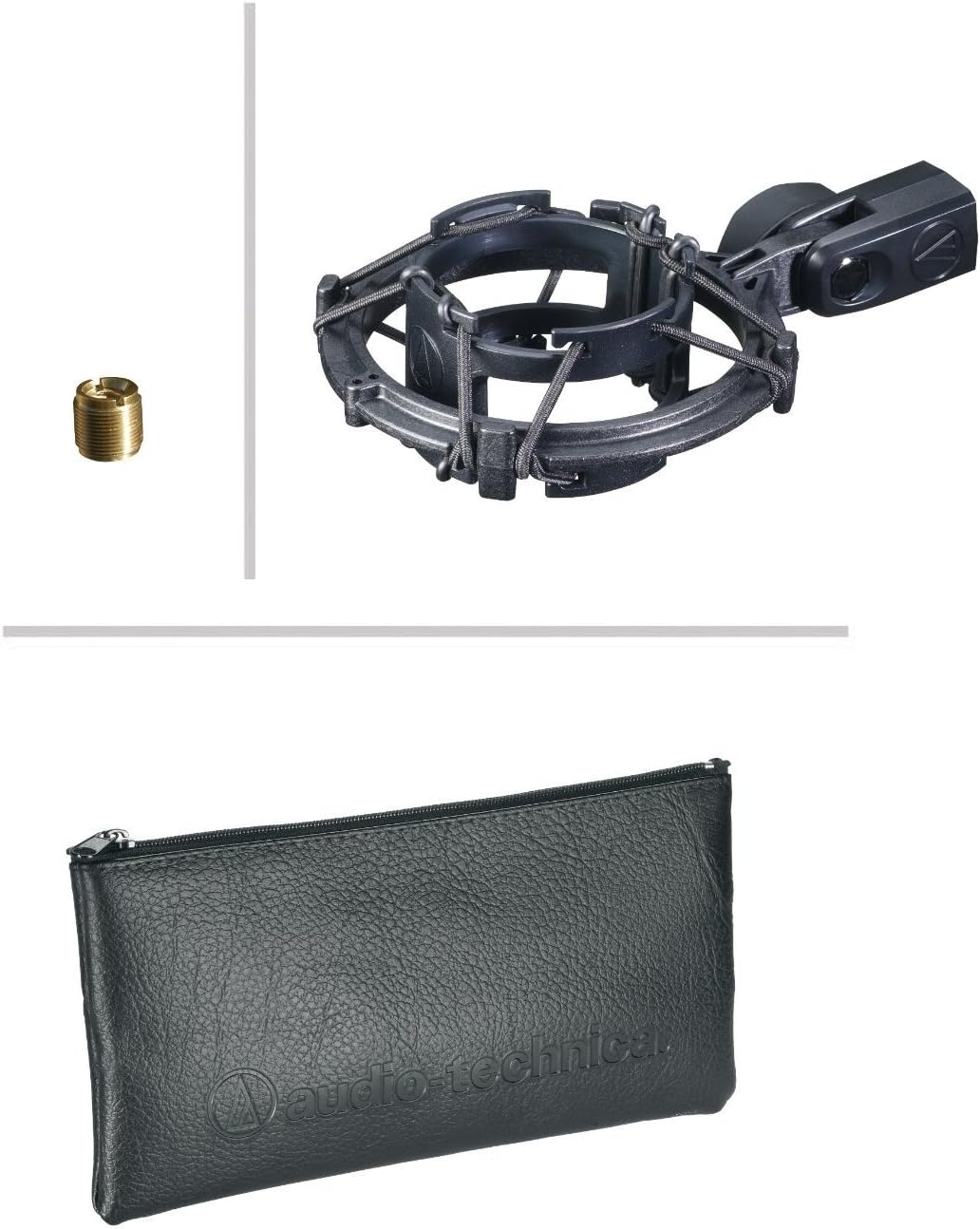
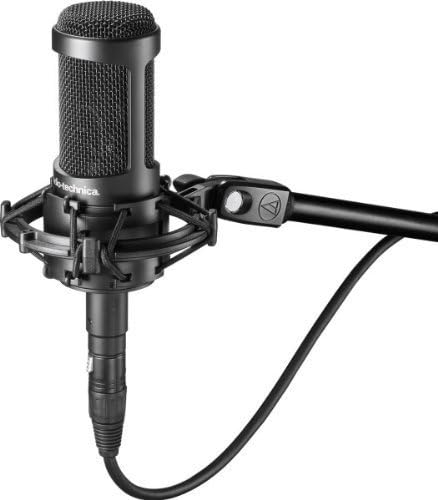
The AT2035 is a large diaphragm microphone in a black body, with one channel and a corded electric power source. At 14 ounces and 9.8 x 2.8 x 9.8 inches, I’d want it on a stable stand or arm rather than treating it like a casual handheld mic. The included component is listed as the microphone, so I’d also think about the rest of the chain before ordering: interface, XLR cable, placement, and a recording space that is not fighting the mic.
The 80Hz Filter and 10dB PAD Are the Right Kind of Practical Controls
What I like on paper is that Audio-Technica gives the AT2035 two useful switches instead of cluttering it with gimmicks. The switchable 80Hz high-pass filter is the sort of control I’d want available when low-end rumble, stand vibration, or excess bass buildup becomes a problem. It gives you a simple way to manage that before the signal gets further down the chain.
The 10dB PAD also makes sense for a mic intended to handle different single-source recording jobs. If I were using one large-diaphragm XLR microphone for vocals, spoken-word work, acoustic instruments, or other focused sources, I’d want that extra flexibility for louder inputs. The unidirectional polar pattern reinforces the same idea: aim the mic at one main source and use placement carefully.
Who I’d Recommend the AT2035 To, and Who Should Skip It
I’d put the AT2035 on the shortlist for home recordists, musicians, podcasters with an XLR setup, and creators who already have an audio interface or are intentionally building around one. If you want a single large-diaphragm, unidirectional microphone for controlled one-source recording, the spec sheet lines up well with that role.
The honest limitation is convenience. XLR means more hardware and more setup decisions. The unidirectional pattern also does not remove the need for good positioning; if the source moves around, level and tone can change. I’d also be careful if the room is noisy or reflective, because the microphone is only one part of the recording result.
I’d skip the AT2035 if you want a travel-friendly mic, a direct computer connection, or a no-fuss desk accessory. I’d also avoid it if you are not willing to manage an audio interface and basic recording placement. This is a sensible choice for a deliberate XLR setup, not for someone trying to avoid setup work.
Reviews
There are no reviews yet.