
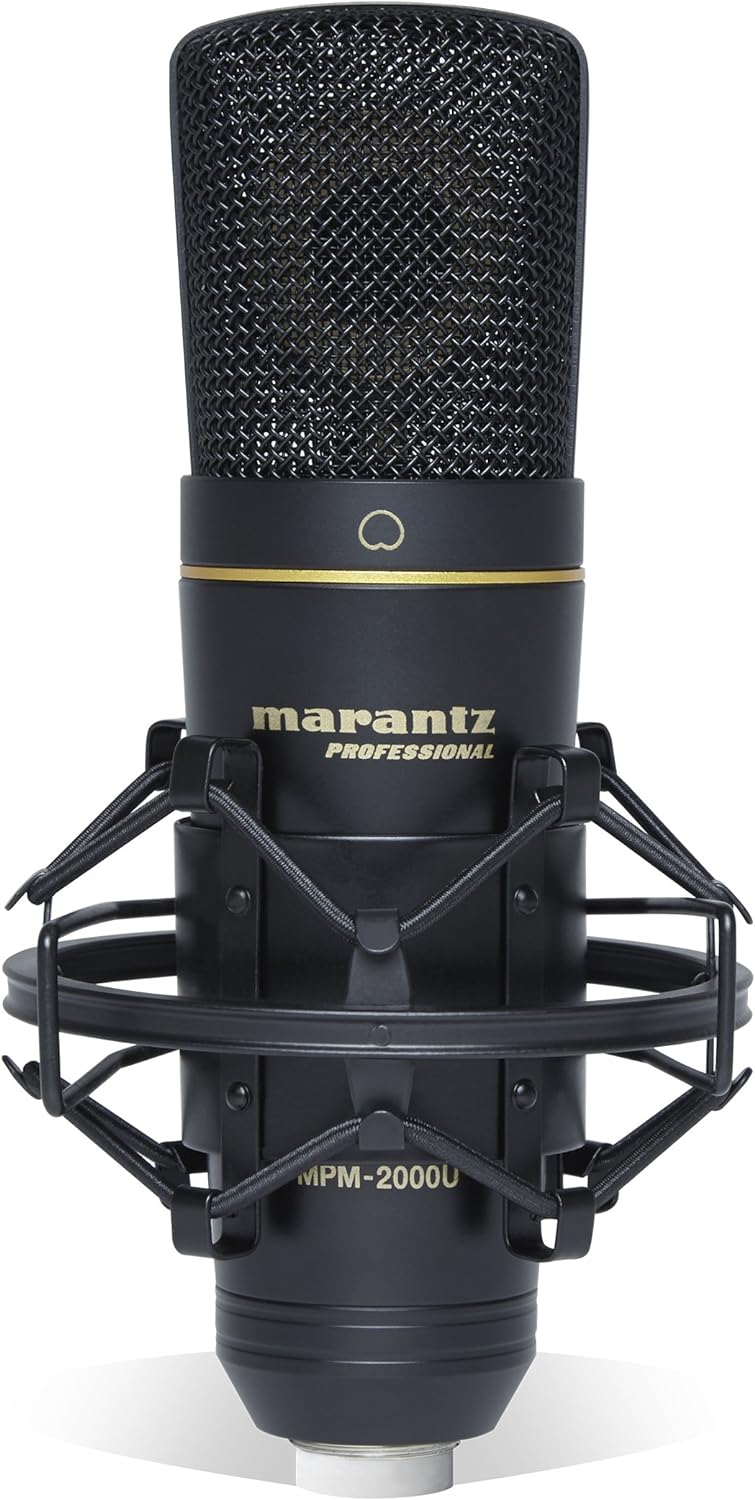
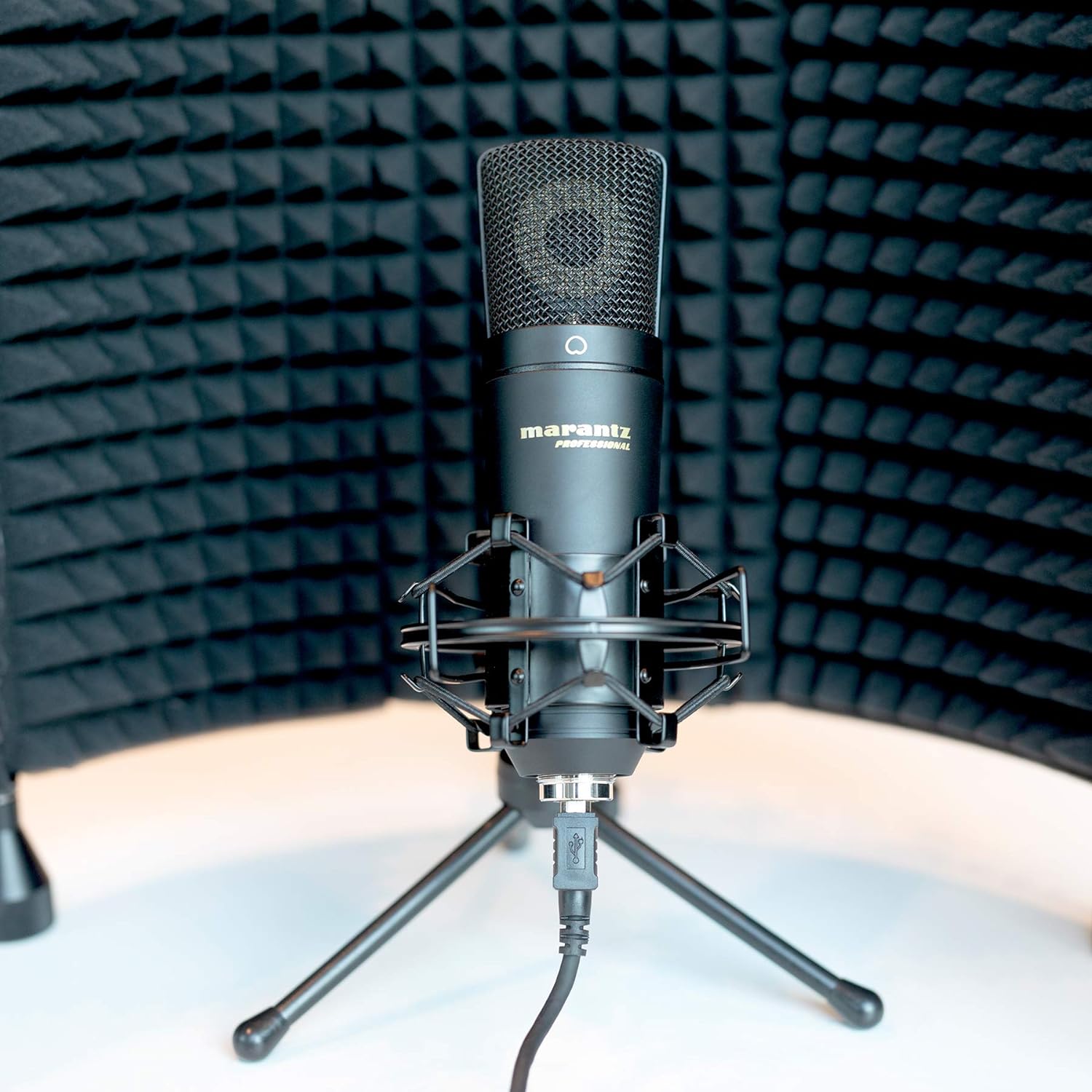

I’d look at the Marantz Professional MPM-2000U as a deliberately simple PC-recording microphone. It is a black USB mic with a USB port connection, and the cable is included, so the pitch is not subtle: plug it into a computer and avoid the extra layer of an audio interface, preamp, or XLR cabling. From the spec sheet, that is the main reason to consider it.
Why I’d consider the MPM-2000U for a PC desk
The USB connection is the key decision point for me. If I were setting up a basic PC recording desk for voice work, narration, calls, podcasting, or simple capture, I’d rather not overcomplicate the chain unless I had a clear reason to. The MPM-2000U is aimed at that cleaner route: microphone to computer, with the needed USB cable already in the box.
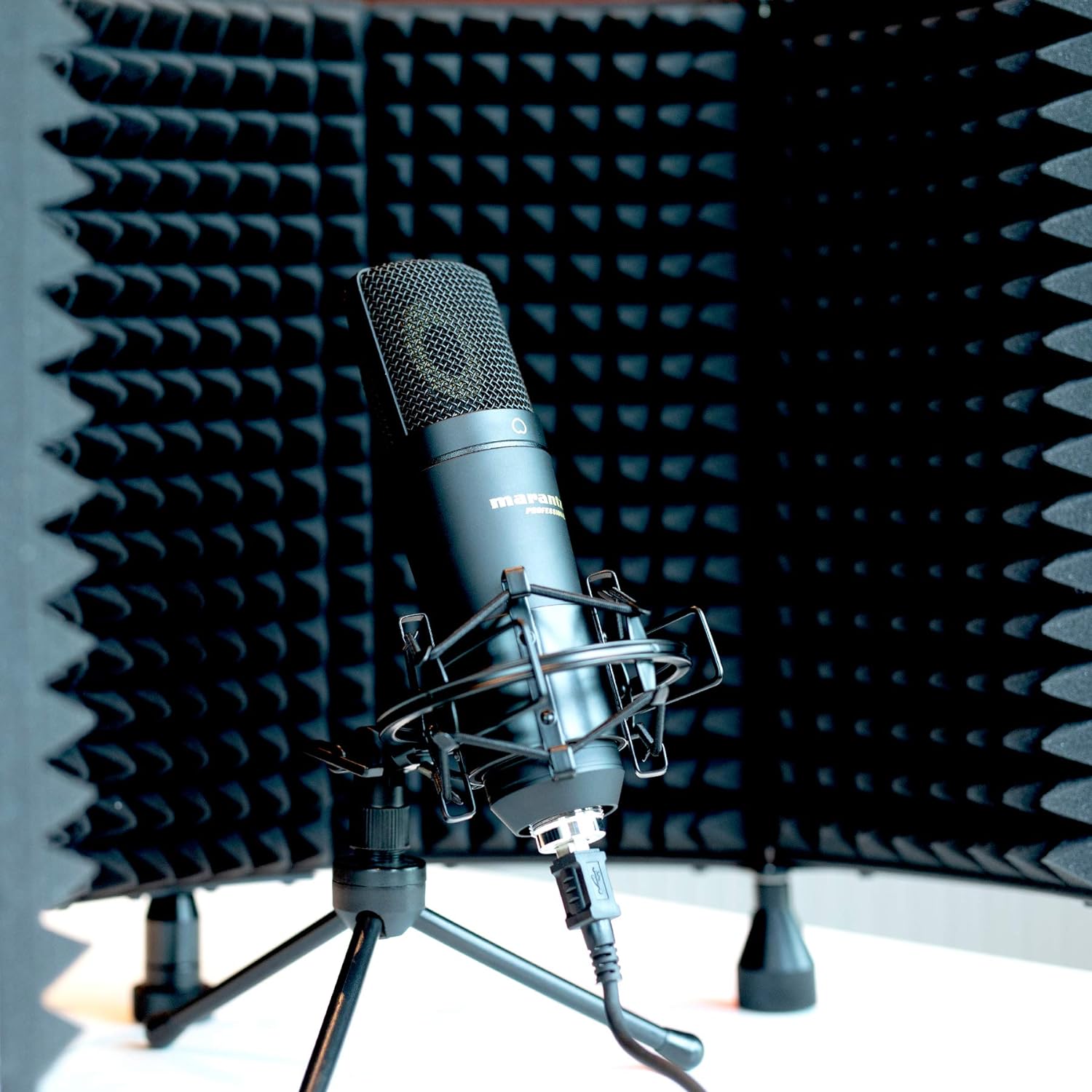
The unidirectional polar pattern also makes sense for this kind of setup. My read of that spec is straightforward: this is a mic for a source placed in front of it, not a room mic meant to pick up everything evenly. I’d use that as a placement rule. Keep the speaker or instrument facing the mic, keep the wanted sound close, and don’t expect the polar pattern alone to solve a bad or noisy room.
The accessory bundle is part of the appeal
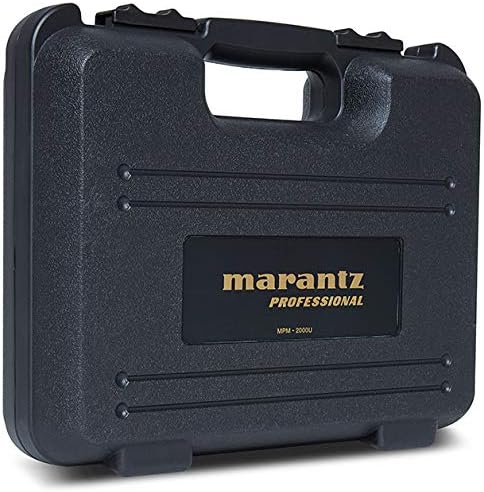
I like that Marantz Professional includes a shock mount, carrying case, and USB cable. For a desk microphone, the shock mount is the most meaningful item here because it is meant to help with isolation from bumps and surface movement. The carrying case is useful if the mic needs to be stored between sessions or moved between rooms.
At 0.82 pounds, this does not read to me like a bulky studio anchor. The listed stand feature also points toward a fixed, front-of-desk setup rather than handheld use. If I were buying it, I’d plan the desk space and mic position first instead of treating it as a casual, move-anywhere accessory.
Who I’d steer away from the MPM-2000U
The same simplicity is also the limitation. I would skip the MPM-2000U if I were building around XLR mixers, an audio interface, or a multi-microphone recording setup. USB is convenient, but it also defines the lane this mic sits in.
I’d also be cautious if the main device is not a PC, because PC compatibility is the stated target. My recommendation is narrow but clear: consider it if you want a focused USB microphone package for a computer desk. Skip it if you need XLR flexibility, broader device compatibility, or a mic system you can expand into a more complex recording chain.
Reviews
There are no reviews yet.