
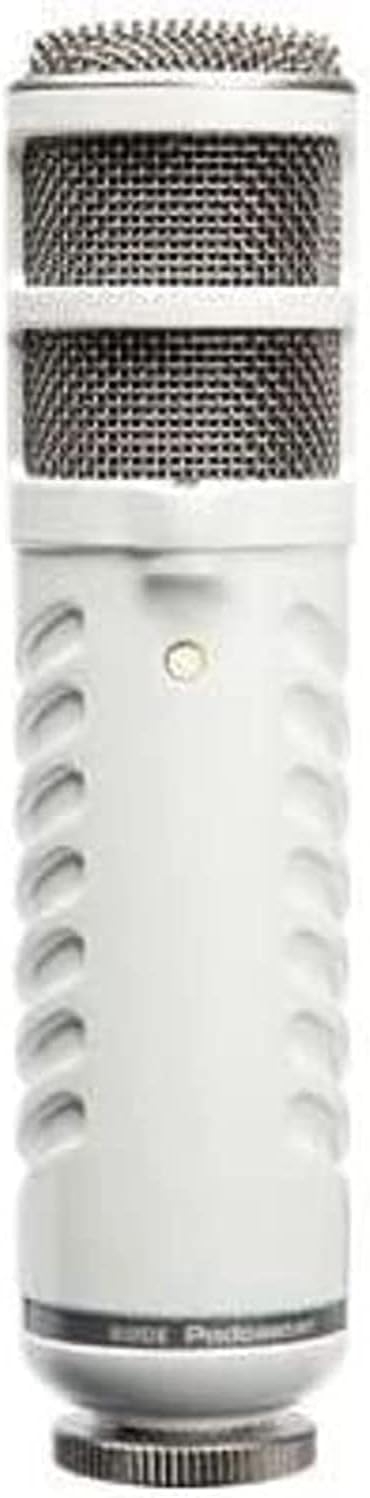

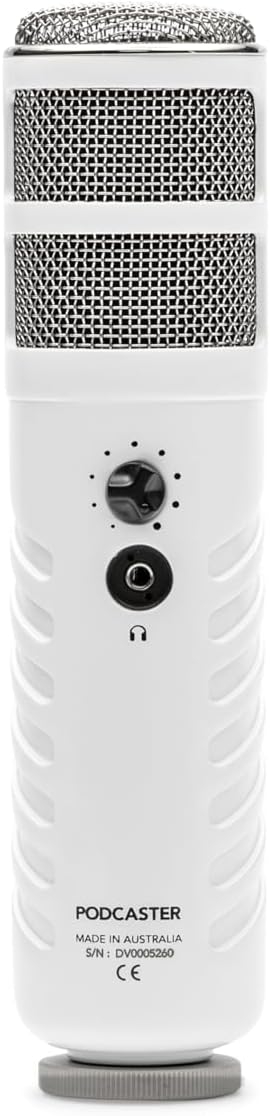
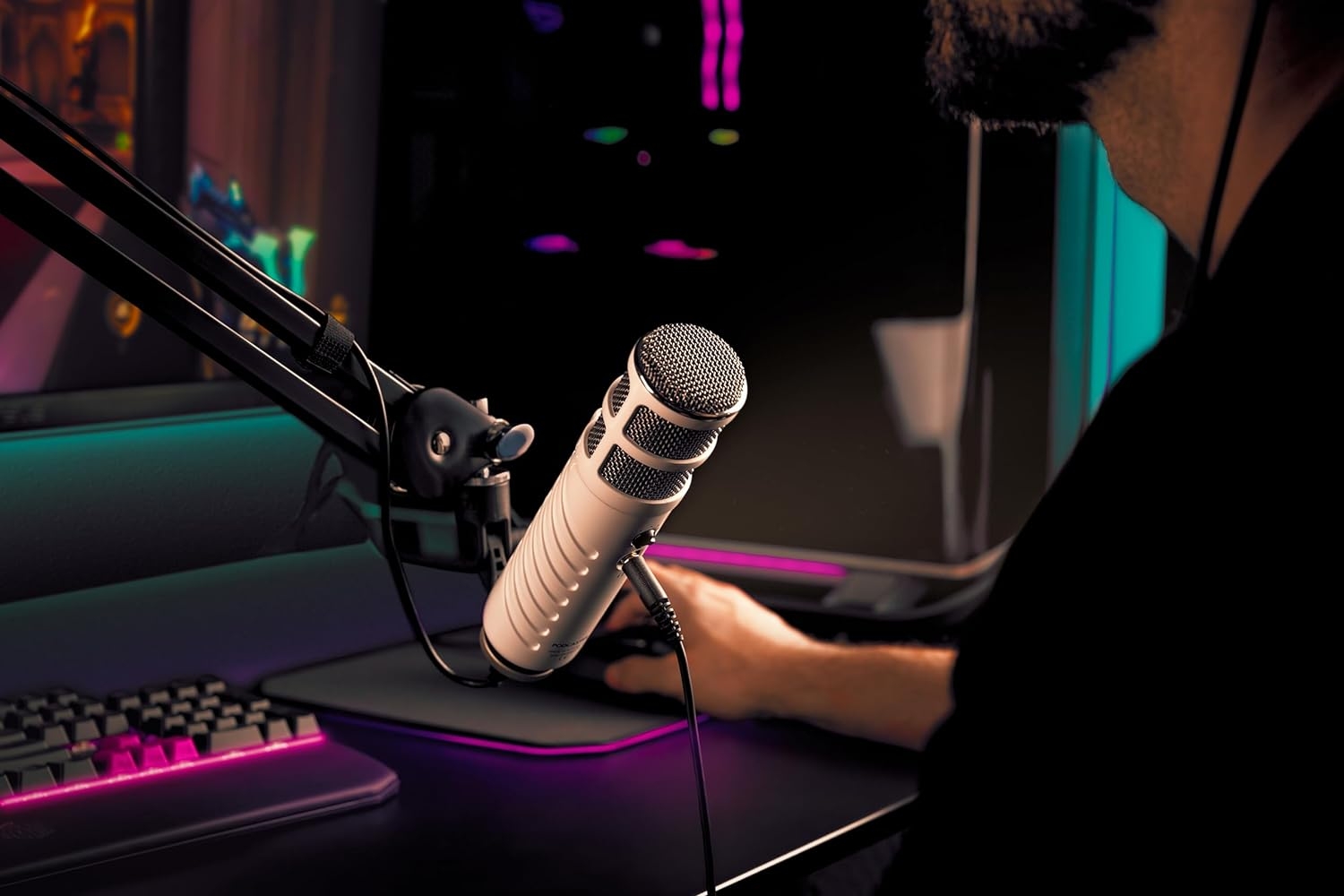

If I were shopping for a voice-first dynamic microphone, I’d read the Rode Podcaster as a deliberately focused choice rather than a do-everything studio tool. The name is not subtle, and neither is the product positioning: this is RØDE Microphones’ PODCASTER model, built around the kind of close-range spoken-word use that podcasters, streamers, narrators, and voice-led creators tend to care about.
Why I’d treat the Podcaster as a close-speech mic
My read of the category is simple: a dynamic microphone makes sense when you want to work close to the mic and keep the recording more controlled, especially in rooms that are not perfectly treated. That does not mean the Rode Podcaster will magically remove background noise, and I would not buy it expecting setup problems to disappear. Placement, speaking distance, a steady mount, and basic room discipline still matter.
The Rode Podcaster measures 8.5 x 2.2 x 2.04 inches and weighs 1.44 pounds. That weight is one of the first things I’d plan around. I would not pair it with a flimsy arm and hope for the best; I’d want a stand or boom arm that can hold position confidently. It is not an ultra-light travel-style microphone, but the size still looks reasonable for a fixed desk or arm-mounted voice setup.
The long-running RØDE identity matters here
One reason I take this mic seriously on paper is its identity. It comes from RØDE Microphones, the country of origin is Australia, and the model number is PODCASTER. It has also been listed as available since October 2, 2001, which gives it the feel of a long-running product rather than a quick accessory built around a passing trend.
I would also pay attention to the listed requirement for one Lithium Ion battery. Before ordering, I’d check exactly how that fits into the setup I planned to use, because power requirements are the sort of detail that can turn into an annoyance if you only notice them after the rest of the rig is ready.
Who I think should buy it, and who should skip it
I’d put the Rode Podcaster on the shortlist for spoken-word creators who want a focused dynamic microphone and are willing to build a proper desk setup around it. I’d also consider it for musical-instrument use where a dynamic microphone’s general tolerance for louder sources is part of the appeal.
- Best fit: podcasters, streamers, narrators, and voice-focused home setups.
- I’d pair it with: a stable stand or boom arm and sensible close-mic technique.
- Honest limitation: the 1.44-pound body means weak mounting hardware is a bad match.
- Skip it if: you want an ultra-light portable mic, multiple pickup-pattern choices, or a microphone that requires minimal setup planning.
Reviews
There are no reviews yet.