
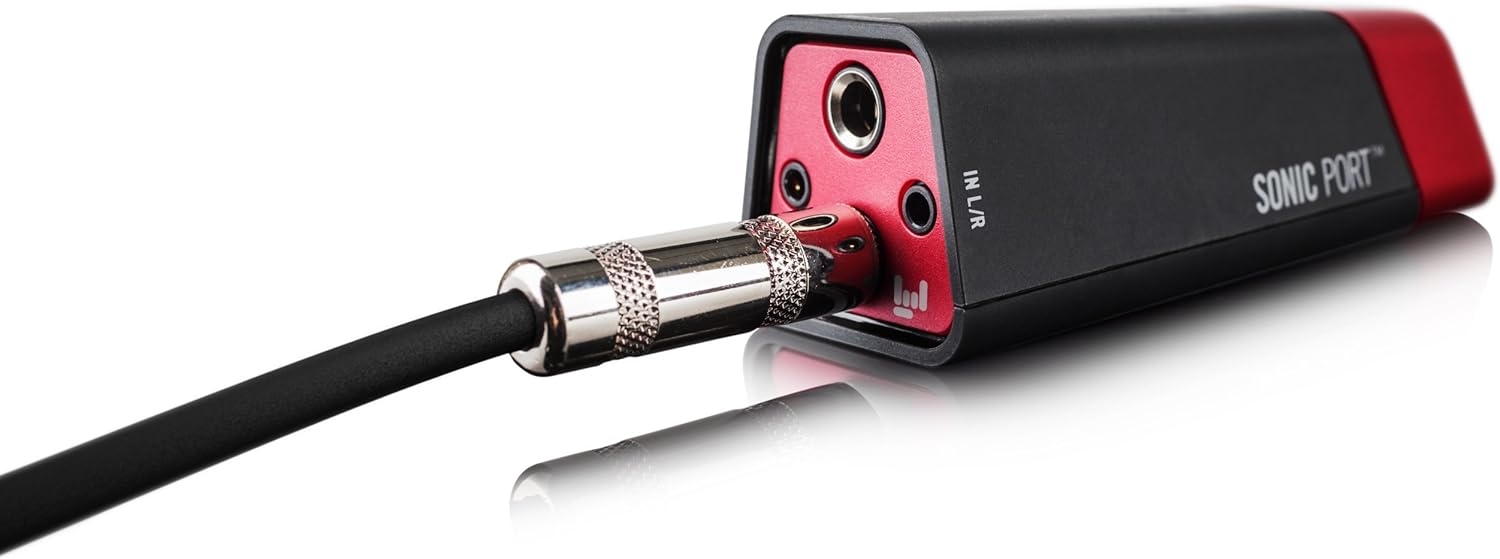
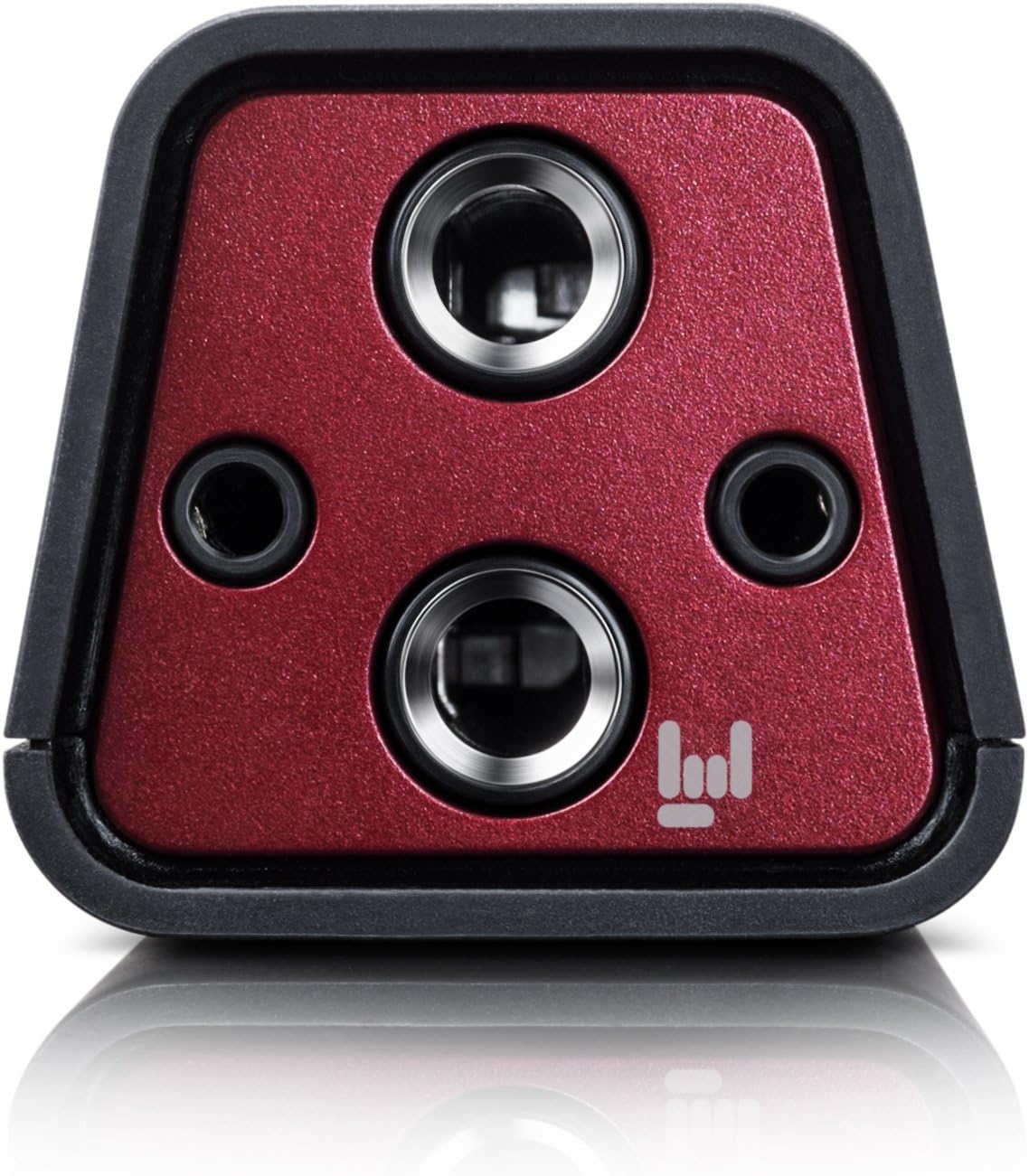
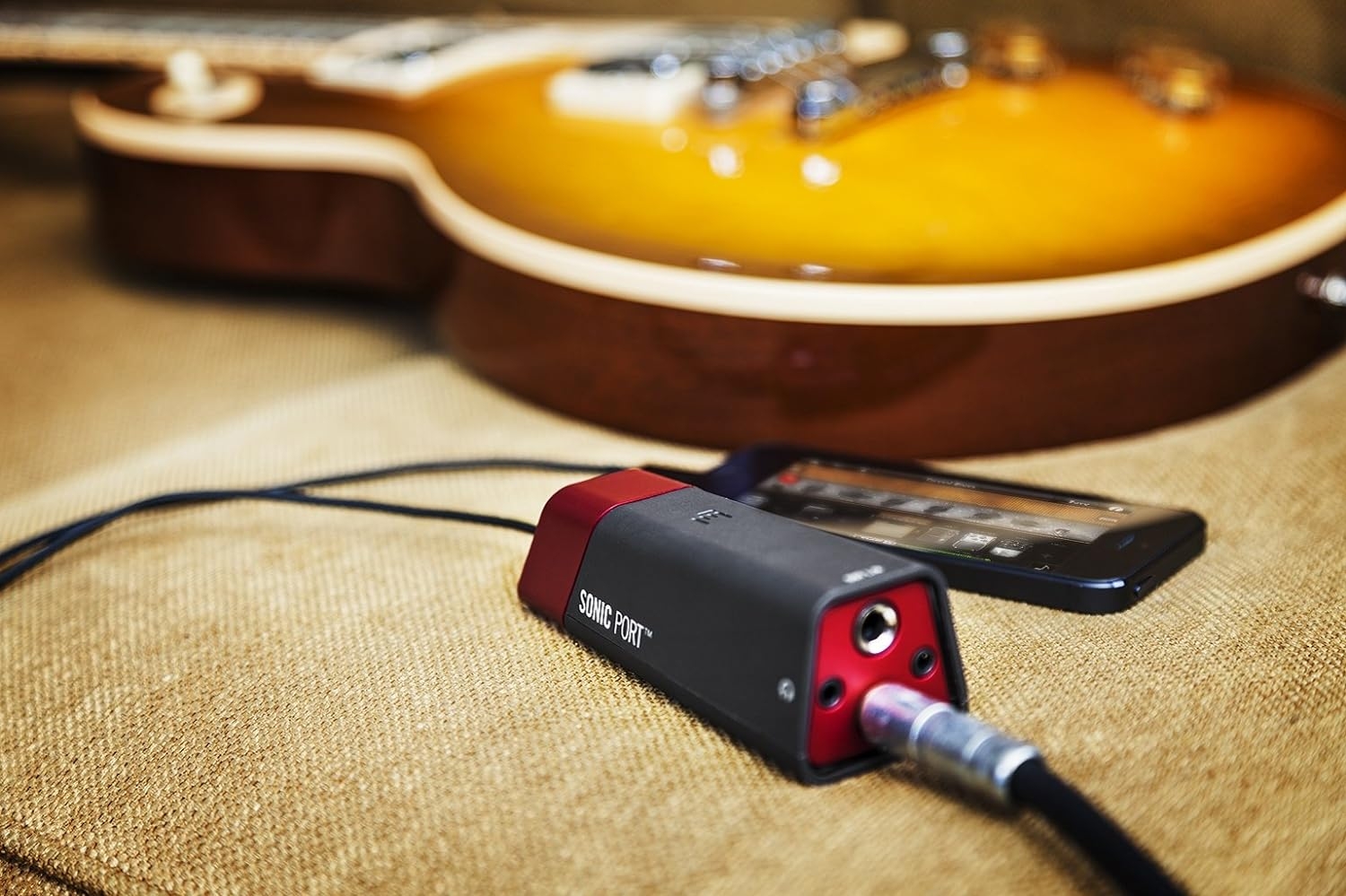
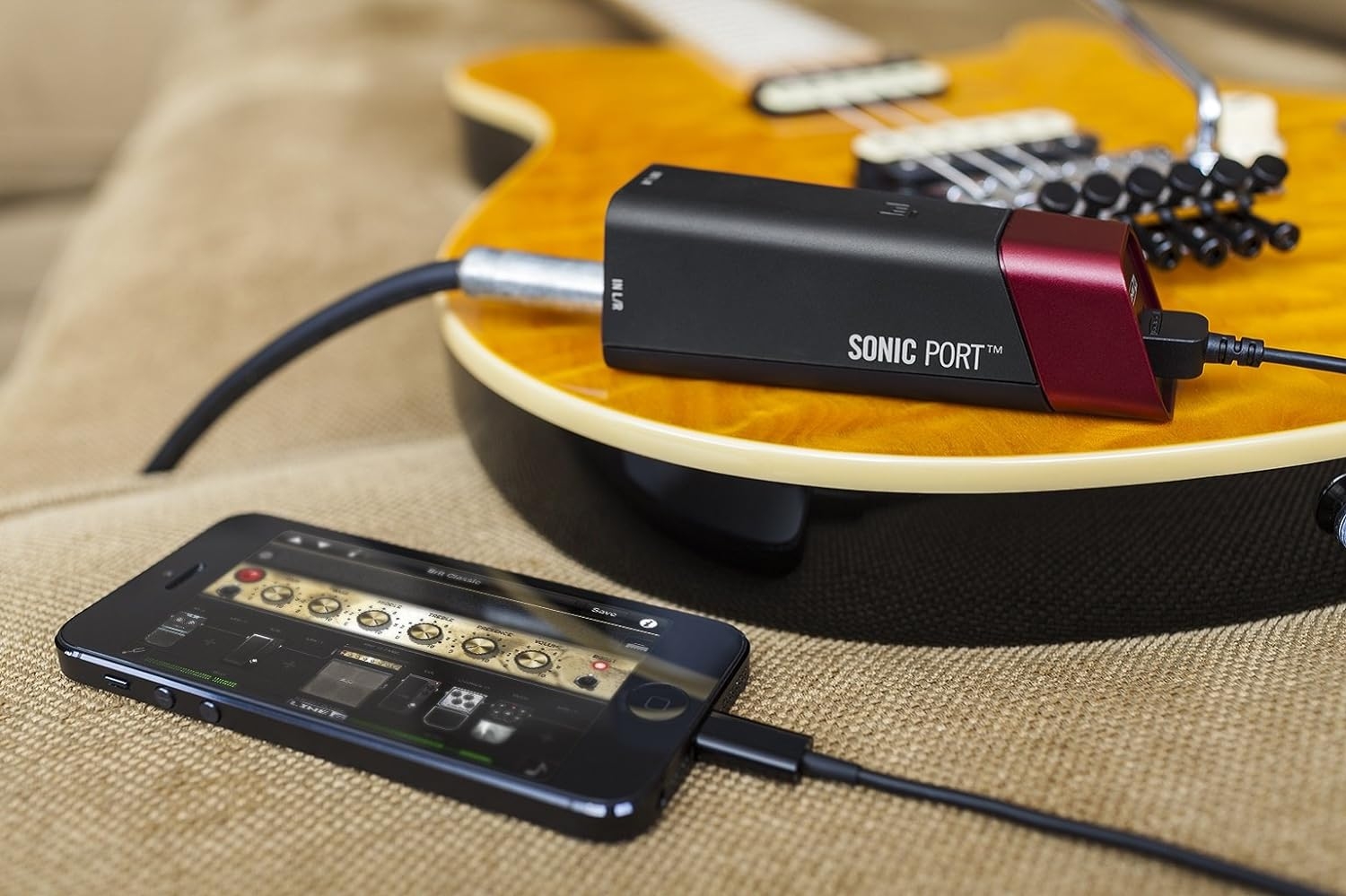

The Line 6 Sonic Port reads to me as a small, purpose-built audio interface for an iOS mobile phone setup, not as a do-everything studio hub. At 8 ounces and 4.6 x 2.51 x 5.03 inches, it is clearly in the grab-and-go category. If I were building a simple phone-based practice or recording bag, this is the kind of box I would consider keeping with headphones and the necessary cables rather than leaving permanently on a desk.
How I would approach the Sonic Port setup
My first check would be compatibility. The listed operating system is iOS, the compatible device type is mobile phone, and the hardware interface is USB. That tells me the Sonic Port should be judged around an iOS-first workflow. I would not buy it assuming it will neatly cover Windows, macOS, Android, or every tablet setup unless the exact connection path is confirmed first.
For a sensible mobile rig, I would plan around:
- An iOS mobile phone that can run the audio, recording, or practice app you actually want to use.
- The correct cable path from the phone to the Sonic Port, especially because connector compatibility can be the difference between a useful interface and a frustrating purchase.
- Headphones or monitoring so the phone-based setup remains self-contained.
- A suitable audio source that matches what this type of compact interface is meant to handle.
Where the Line 6 Sonic Port makes sense
My read of the Sonic Port is that portability is the main argument. Line 6 is a manufacturer with a strong musician-audio identity, and this model fits that mobile creator lane: quick ideas, practice sessions, and phone-centered recording rather than a large wired studio. The 8-ounce weight is a real practical advantage if you want something that can live in a backpack without making the whole setup feel like a second workstation.
I would be careful not to overbuy it for the wrong job, though. A compact iOS interface is not the same proposition as a larger desktop interface designed around several sources, a permanent computer setup, or expanded routing. If I needed XLR connectivity, phantom power, MIDI, multiple simultaneous inputs, or a broader studio backbone, I would want those requirements spelled out before ordering anything.
Who I think should skip the Sonic Port
I would skip the Line 6 Sonic Port if the main system is Windows, macOS, Android, or a hardware recorder. The stated direction is iOS and mobile phone use, so forcing it into a different workflow would not be my first move. I would also pass if the goal is one interface to cover band tracking, multi-mic recording, or a more permanent studio wiring setup.
Where I think it makes the most sense is for someone who already wants an iOS mobile phone at the center of the rig and values a small Line 6 interface over a larger, more flexible box. Before buying, I would confirm the cable situation, the app workflow, and the exact input needs.
Reviews
There are no reviews yet.