
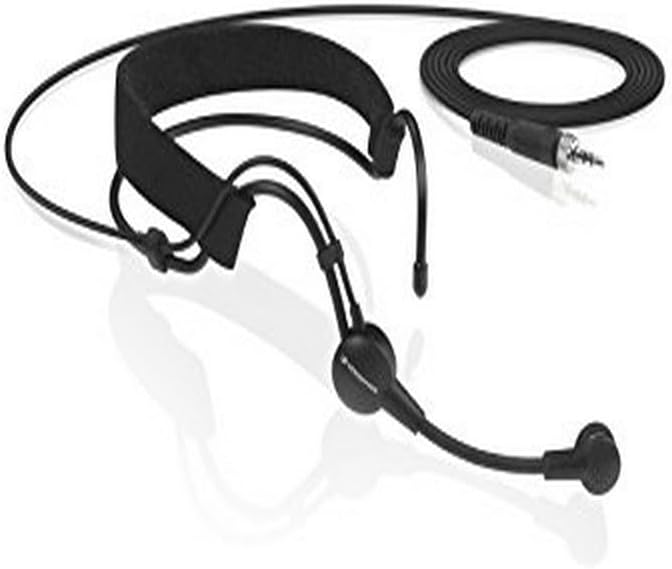
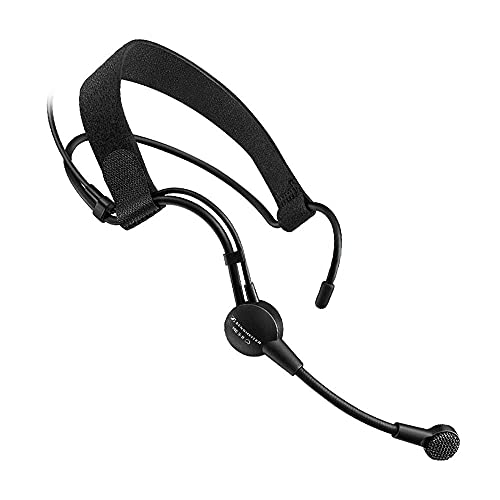
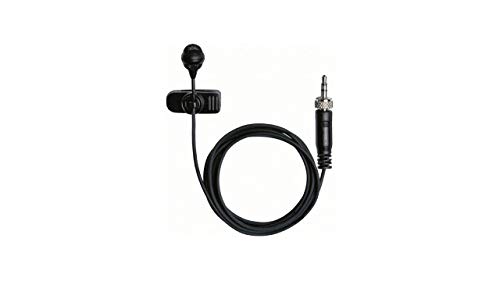

I look at the Sennheiser ME 3 II as a purpose-built headset microphone for people who need speech or vocals captured while their hands stay free. It is not trying to be a desktop mic, a handheld stage mic, or a tiny lavalier. It is a black, head-worn microphone with the mic positioned close to the mouth so the speaker can move, gesture, teach, present, or perform without constantly managing mic placement.
On paper, it is a compact piece of gear: the listed item weight is 2.72 ounces, and the product dimensions are 2.36 x 7.87 x 8.07 inches. The model number is ME 3 II, the country of origin is Germany, and it has been available since March 15, 2015. It is also not listed as discontinued by the manufacturer. My read is that this is a specialist accessory for an existing audio setup, not a complete recording system by itself.
How I’d Think About the Sennheiser ME 3 II Before Buying
The first thing I would check is compatibility. A headset microphone normally needs to sit inside a larger chain: a compatible bodypack transmitter, a matching receiver, and then a PA system, mixer, audio interface, or recorder. I would not buy the ME 3 II assuming it will behave like a USB microphone or a self-contained Bluetooth headset.
The listing notes a corded electric power source and says one Lithium Ion battery is required. That is exactly the kind of detail I would want to verify against the rest of the wireless rig before ordering. With headset mics, the connector, transmitter match, and system compatibility matter just as much as the microphone itself. If those pieces are wrong, the headset will not solve the problem.
Why the 2.72-Ounce Headset Format Makes Sense
The main reason I’d consider a headset like this is consistency. Because the microphone moves with the speaker’s head, the mouth-to-mic distance should remain more predictable than with a podium mic or a handheld mic used by someone who keeps moving it around. That can be useful for presenters, instructors, worship leaders, fitness speakers, and performers who need both hands available.
- Best match: users building a dedicated hands-free speech or vocal setup.
- Visual style: the black finish should stay fairly restrained for stage or presentation use.
- Honest limitation: a headset mic will not fix poor gain staging, wireless compatibility mistakes, or a noisy room on its own.
Who I’d Tell to Skip the ME 3 II
I would skip the Sennheiser ME 3 II if the goal is a simple plug-directly-into-a-computer microphone, a traditional handheld mic, or a barely visible lavalier. I would also avoid it for situations where one microphone needs to be passed quickly between several speakers. This is the kind of mic I’d choose only when the plan is clearly a dedicated headset setup with the right supporting wireless gear already chosen.
Reviews
There are no reviews yet.