
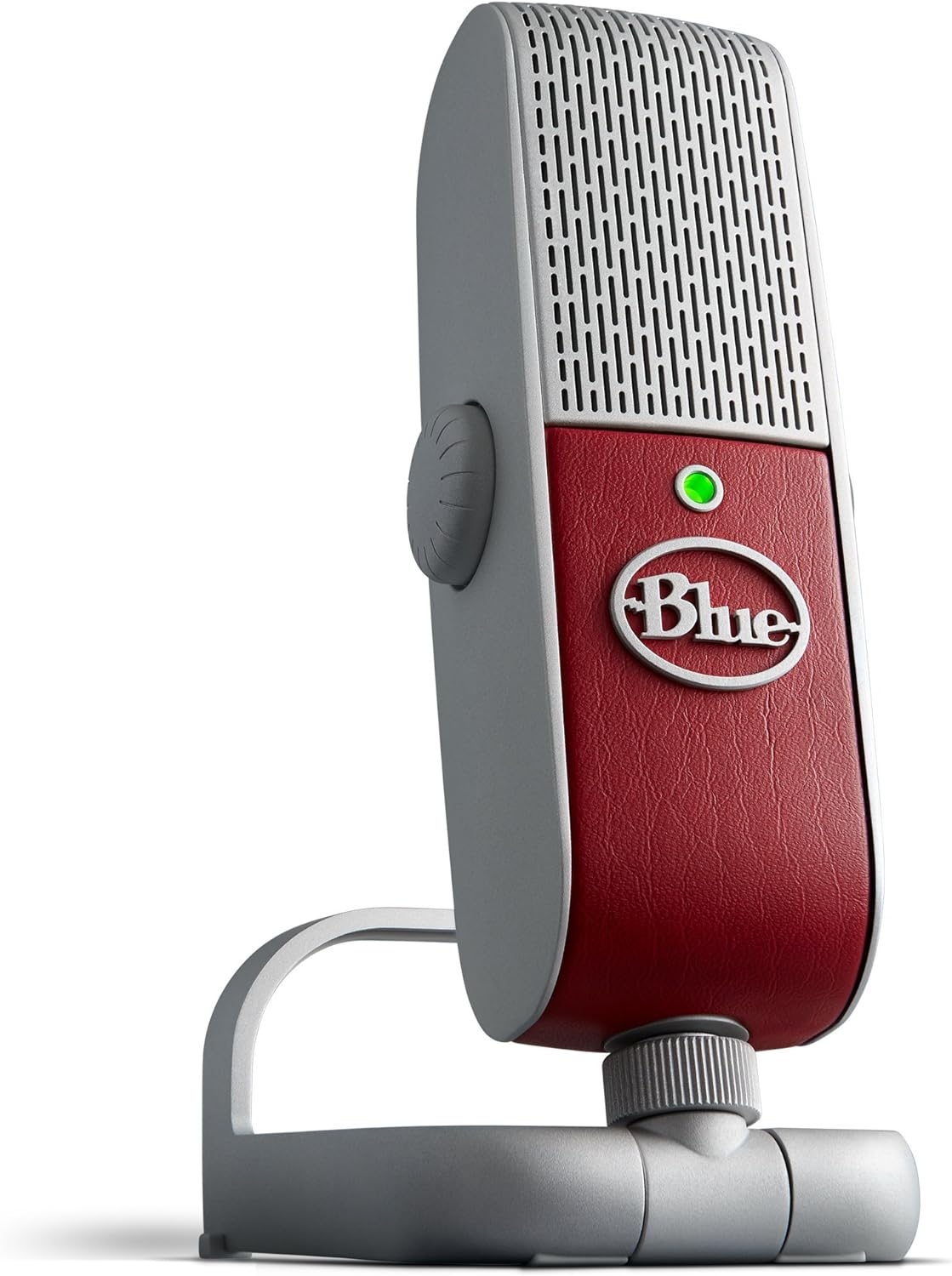
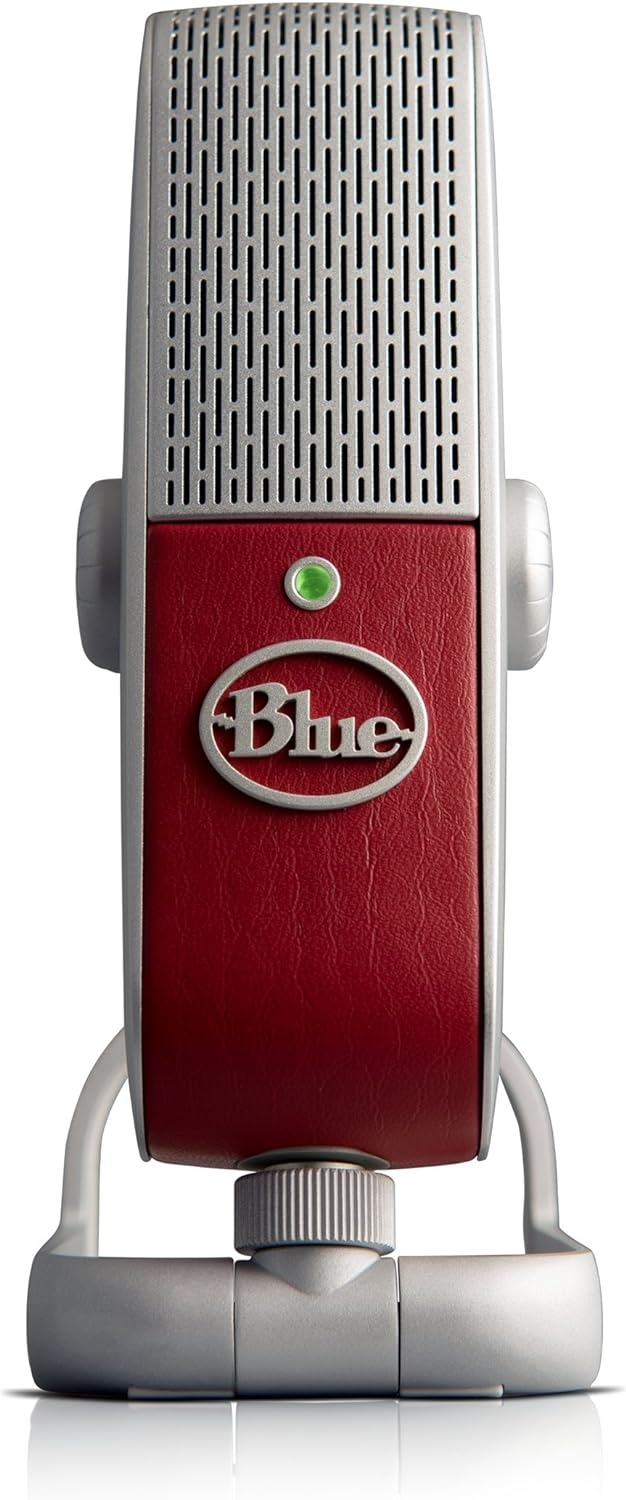
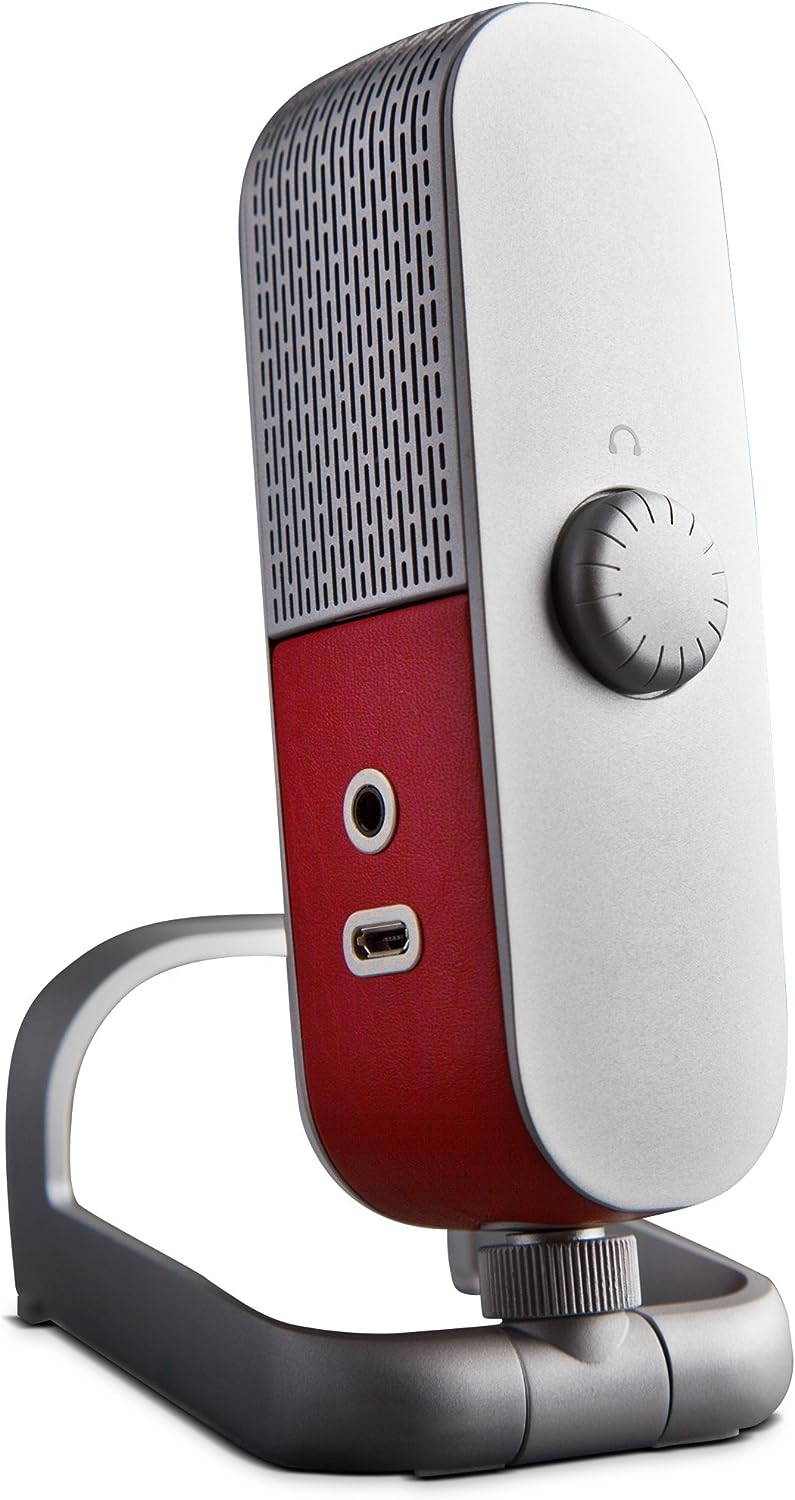
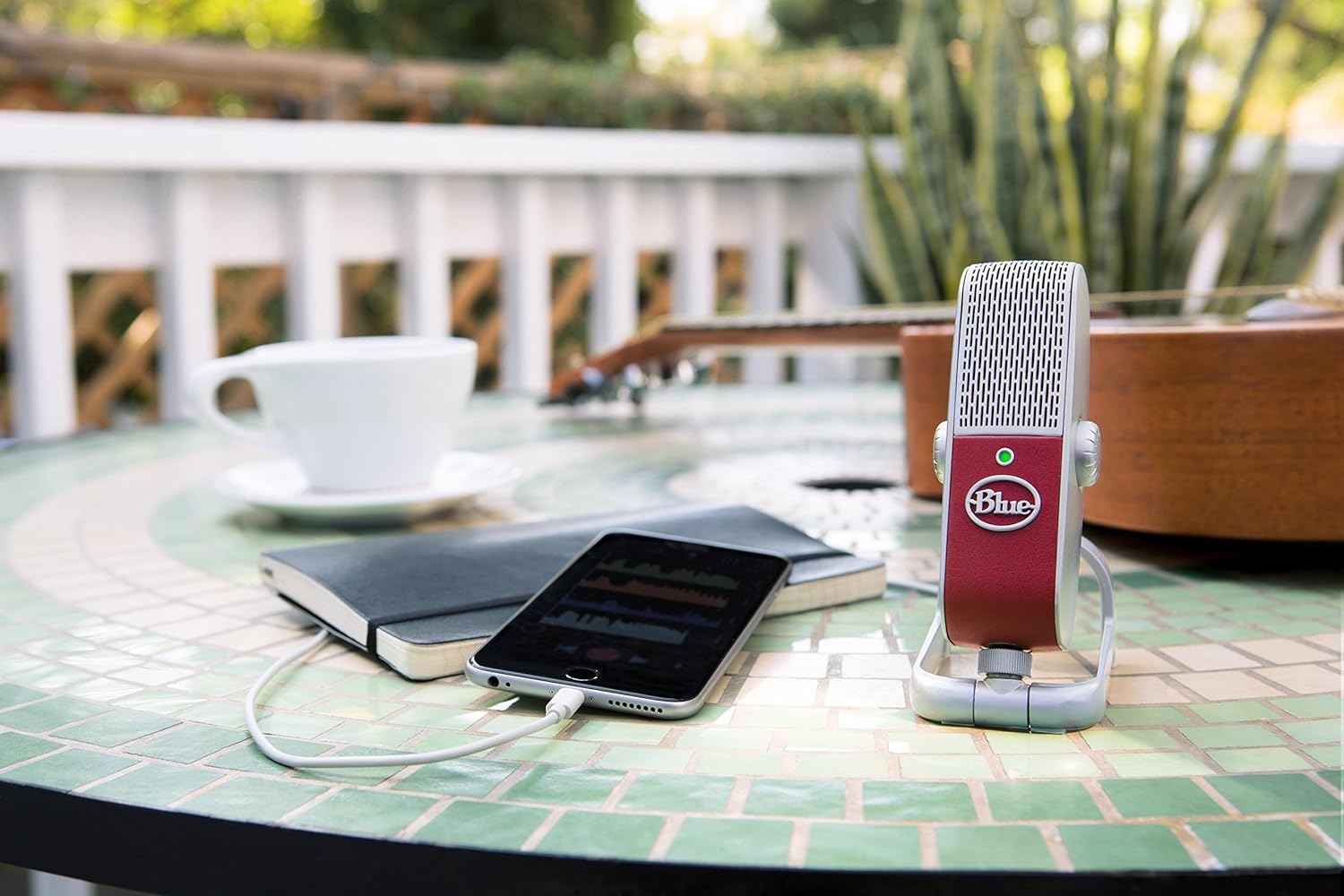

My read on the Blue Raspberry is straightforward: this is a small USB microphone from Blue Microphones for people who want a simple one-mic digital setup, not a traditional studio chain. The key detail is the USB connection. It is built to connect to compatible personal computers, tablets, and smartphones rather than to an XLR interface, mixer, or preamp.
Where I think the Blue Raspberry makes sense
I would look at the Raspberry for a compact desk or travel-style recording setup where one voice or one main source matters most. Its listed dimensions are 3.55 x 2.3 x 5.51 inches, so the appeal is clearly portability and low clutter. The included component is simply the microphone, which reinforces the idea that this is meant to be a direct, minimal USB solution.
The unidirectional polar pattern is the other spec that defines how I would use it. I would aim it at the person speaking or the source being recorded and treat it as a focused, front-address style tool rather than a room mic. For calls, spoken-word recording, voice notes, streaming, or basic single-source capture, that directional approach is usually the right starting point.
The built-in volume control is a practical touch I like on paper. I prefer having a physical level adjustment available instead of relying entirely on software menus, especially during a call or quick recording. The listed frequency range is 20 Hz to 20 kHz, and the audio sensitivity is given as 40 dB, but I would still judge the final result by placement, room conditions, and device compatibility rather than specs alone.
The trade-off is USB convenience over studio flexibility
The Raspberry’s biggest strength is also its main limitation. USB keeps the setup clean and direct, but it also means I would not buy it for a system built around XLR inputs, external interfaces, stage boxes, or mixers. If the plan is to grow into a multi-mic studio rig, I would start elsewhere.
I would also check mobile compatibility before ordering. The hardware platform list includes PC, tablet, and smartphone, but phones and tablets can still require the right USB adapter and system support. That is not a flaw in the microphone so much as a reality of USB audio on mobile devices.
Who I would tell to skip the Blue Raspberry
I would skip the Blue Raspberry if you need an omnidirectional room microphone, a rugged handheld stage mic, or anything designed for an XLR recording chain. I would also pass if your goal is capturing several people around a table from equal distance. This is best understood as a compact, directional USB microphone for one primary source.
Reviews
There are no reviews yet.