
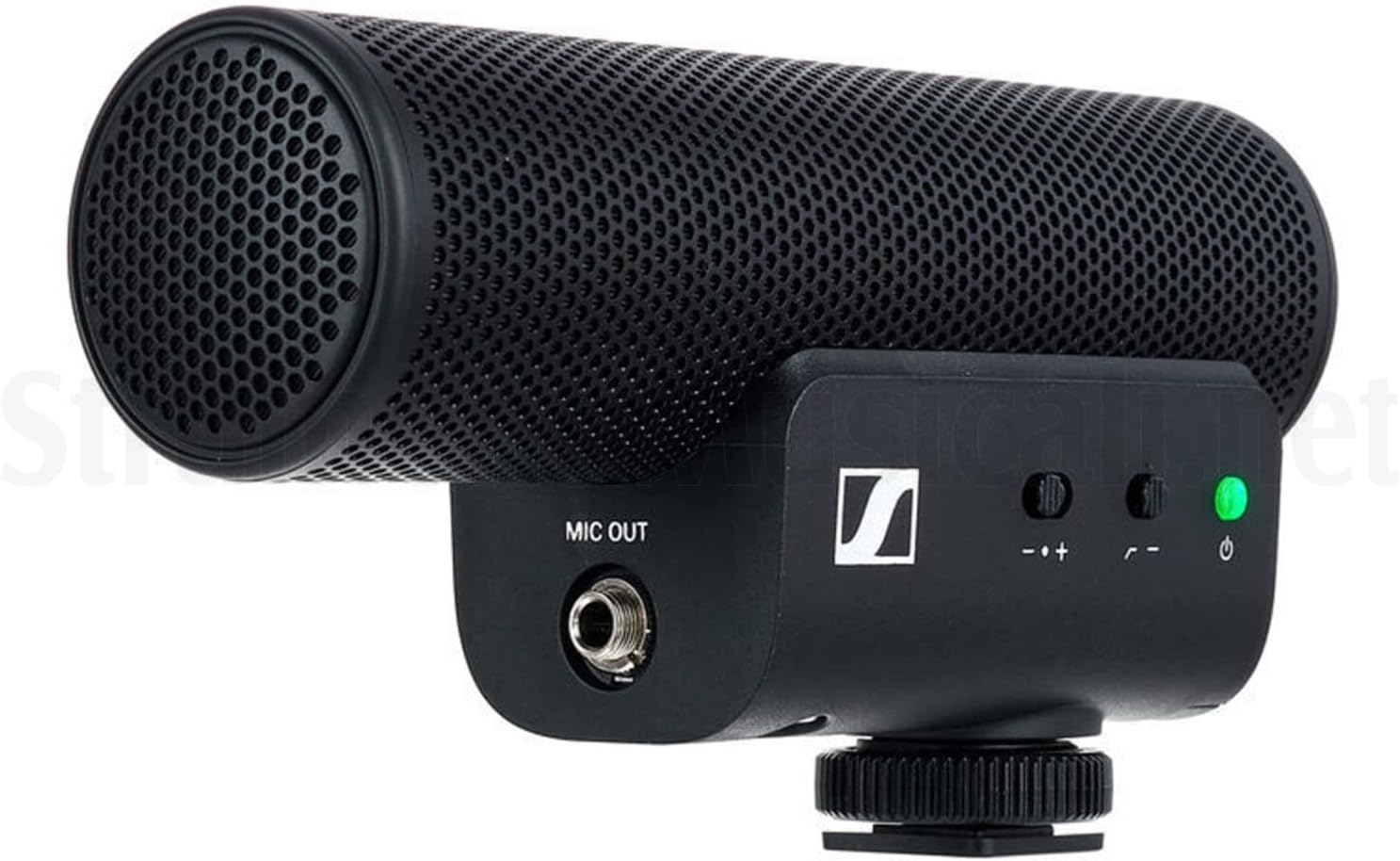
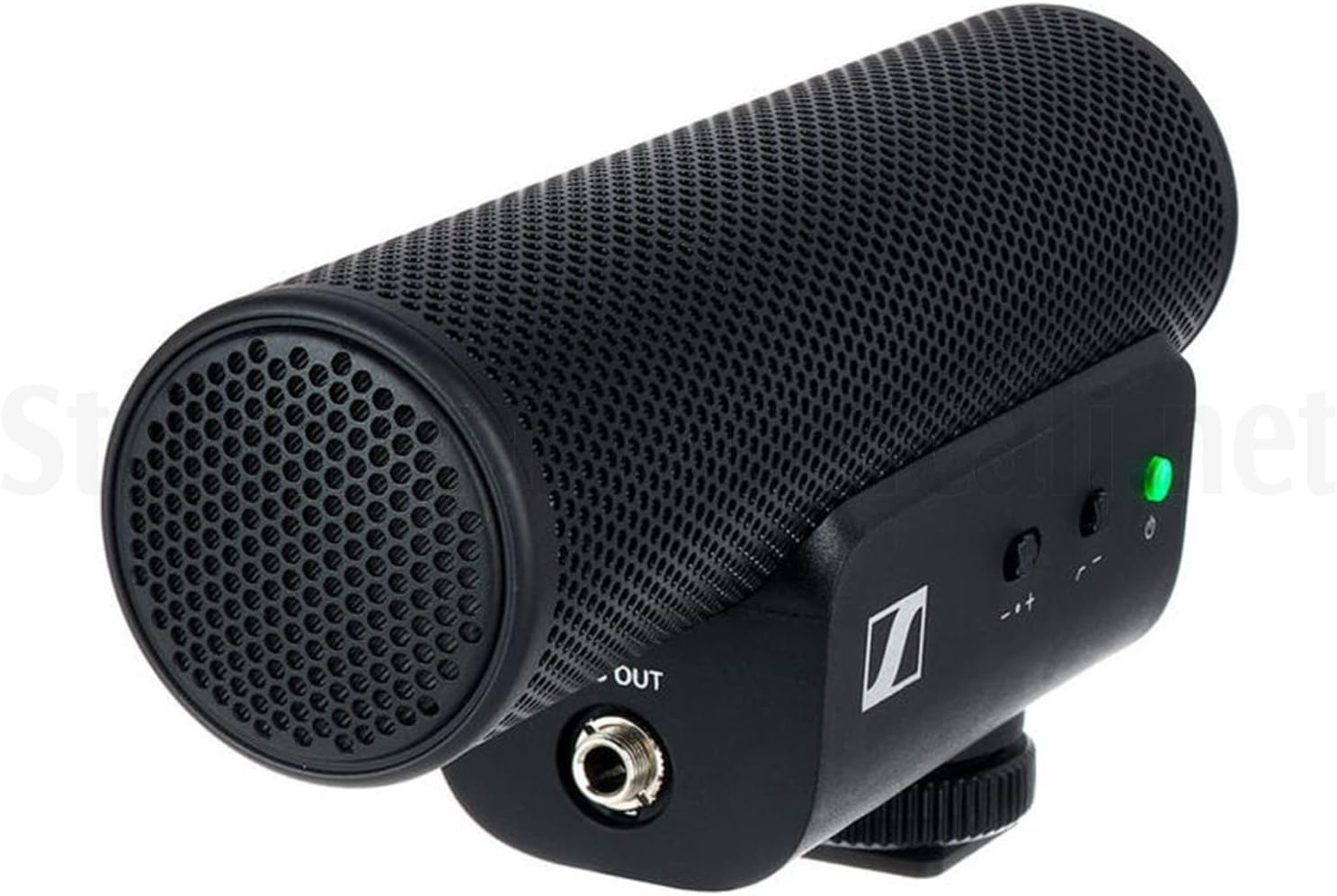
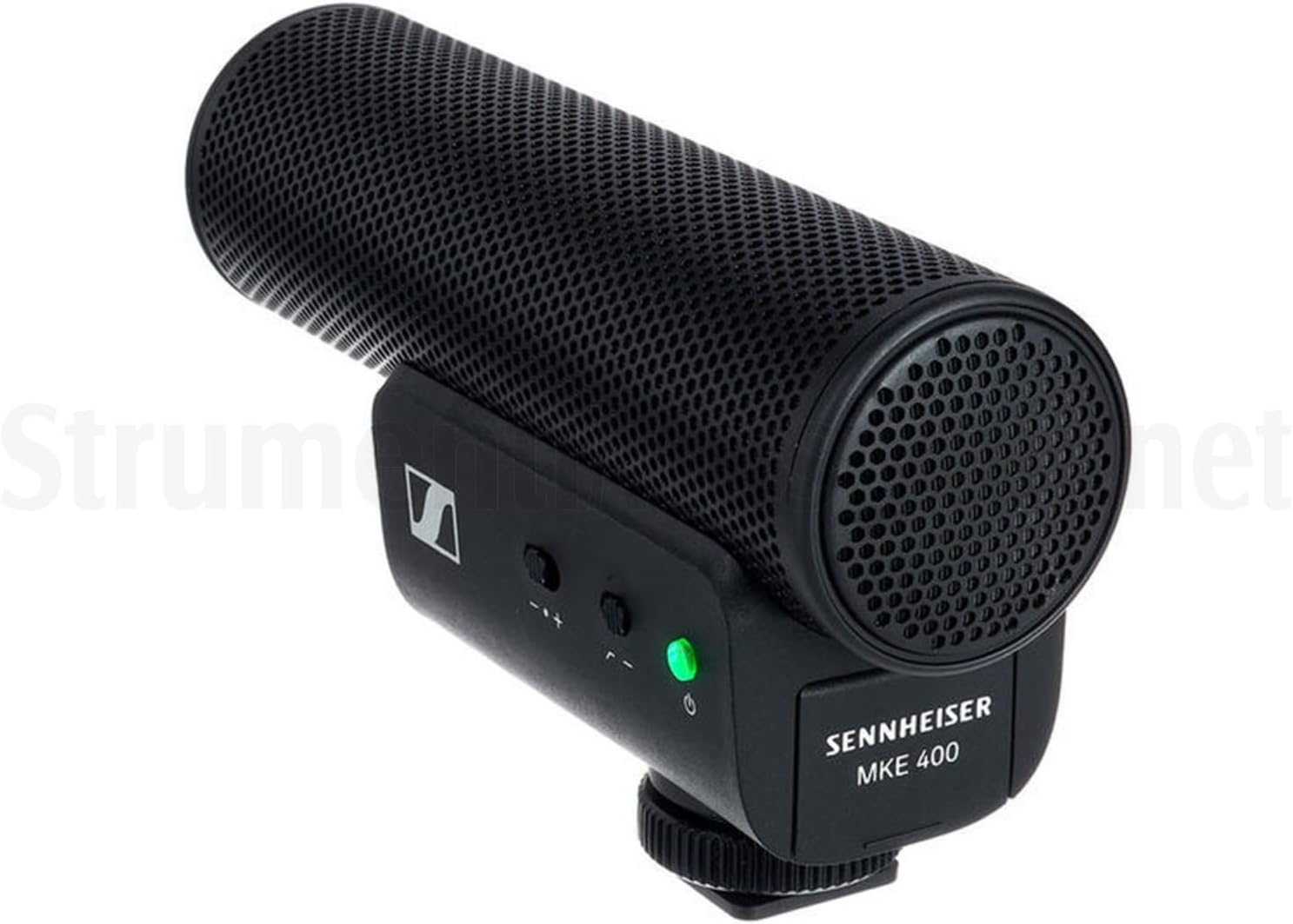
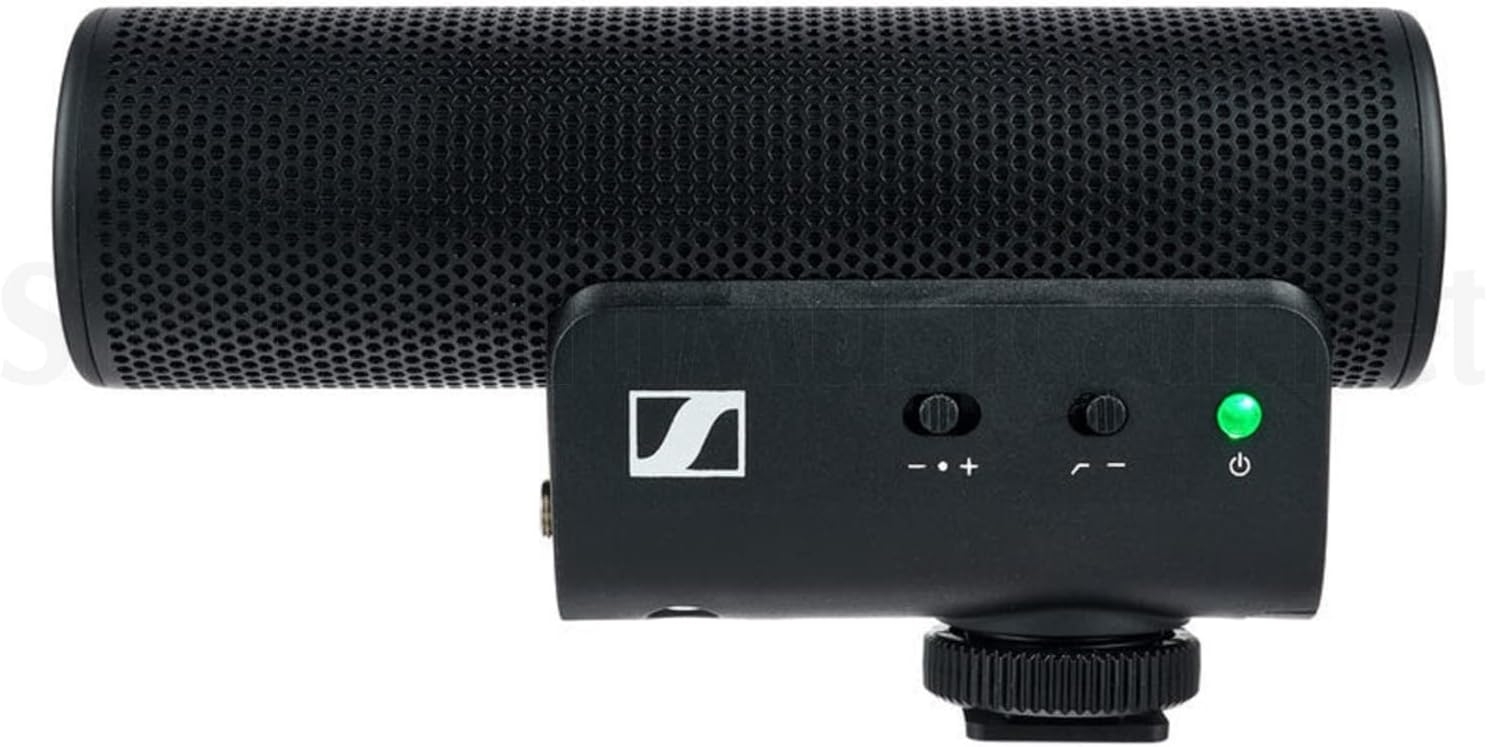

My read of the Sennheiser MKE 400 is straightforward: this is a compact, camera-first microphone for people who want a cleaner, more focused audio setup than a camera’s built-in mic path. The important facts for me are the unidirectional pickup pattern, the 3.5 mm jack, the AAA battery power, and the small black body measuring 0.83 x 5.12 x 2.44 inches.
Why I’d consider it for camera-facing work
I’d look at the MKE 400 for video where the sound source is meant to be in front of the lens: vlogging, talking-head clips, simple interviews, product videos, and travel footage with one primary speaker. The unidirectional polar pattern is the reason. It is designed around favoring one direction rather than treating the whole room as equally important.
That makes sense for a camera-mounted microphone. If the subject is framed clearly and the mic is aimed in the same general direction, the design matches the job. I also like the simplicity of the 3.5 mm connector for camera setups that accept that input. It keeps the rig more direct than a full recording chain built around extra boxes and heavier cabling.
The practical appeal of the small AAA-powered design
At 0.59 pounds, with one AAA battery required and included, this is not trying to be a studio centerpiece. I’d treat it as a compact camera accessory: small enough to keep a kit manageable, self-powered, and aimed at single-channel capture.
- I’d pair it with: a camera-based setup where the subject stays mostly in front of the lens.
- I’d use it for: solo speech, focused clips, and run-and-gun recording where compact gear matters.
- I’d check before ordering: whether your camera has the right 3.5 mm microphone input and whether the listed wired/wireless connectivity matches the exact package being sold.
- I’d keep in mind: the AAA battery becomes part of the recording checklist.
Where I think the MKE 400 is the wrong choice
The honest limitation is built into the appeal: unidirectional pickup is not ideal when the action moves around or several people are speaking from different positions. If you need wide room coverage, roundtable capture, or a setup where voices come from all sides, I’d skip this style of mic.
I’d also skip it if your workflow is centered on professional XLR-style recording rather than a 3.5 mm camera input. The MKE 400’s natural role is not as a desk studio microphone or a full production audio hub. It is a focused camera mic.
Verdict: I’d consider the Sennheiser MKE 400 for compact, camera-mounted, single-subject video recording. I would not choose it for group conversations, moving subjects, or studio-style workflows that need broader connectivity and more flexible placement.
Reviews
There are no reviews yet.