
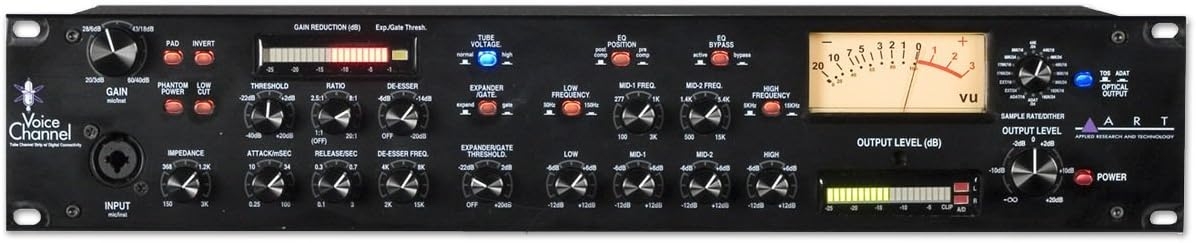
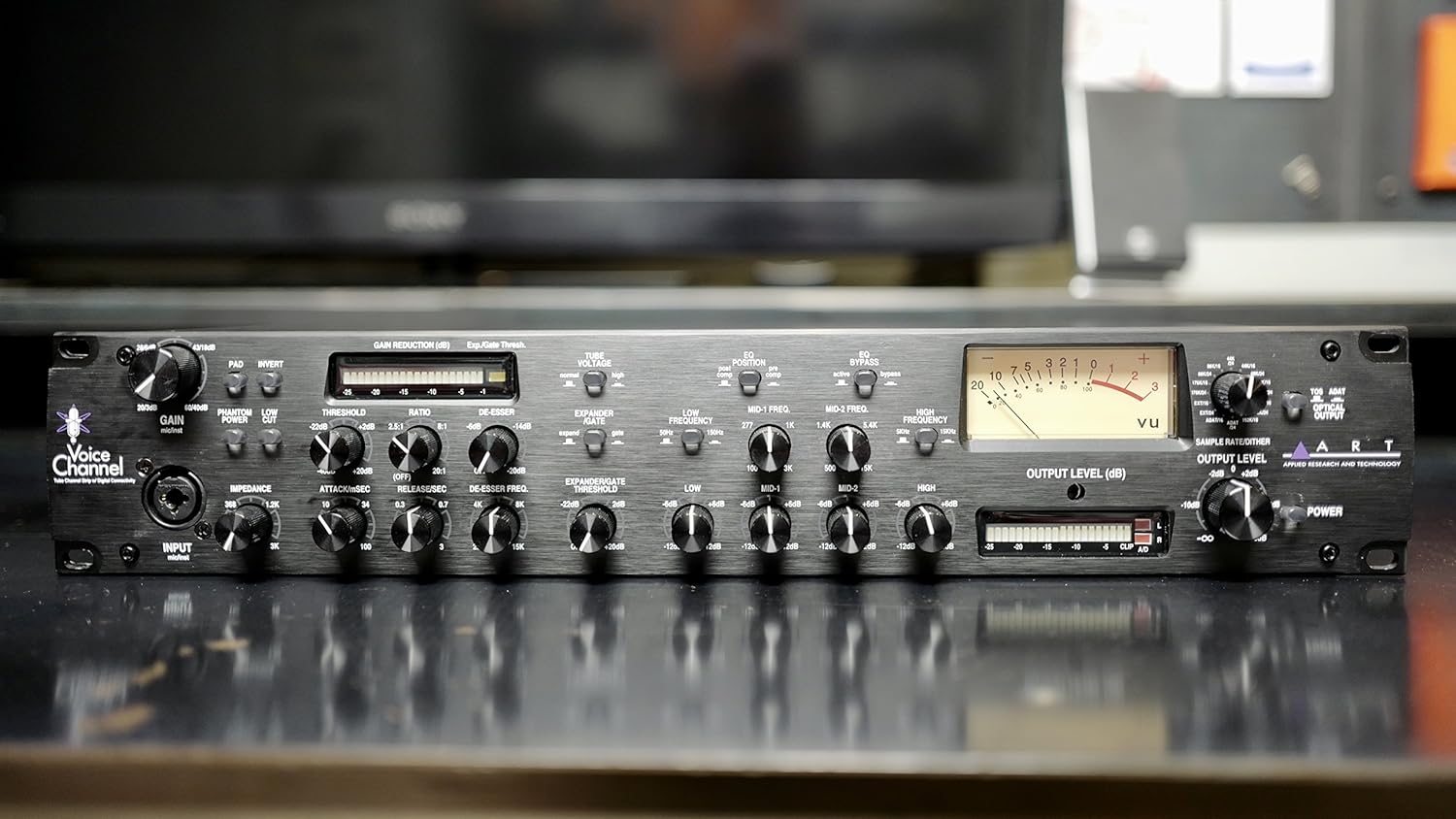
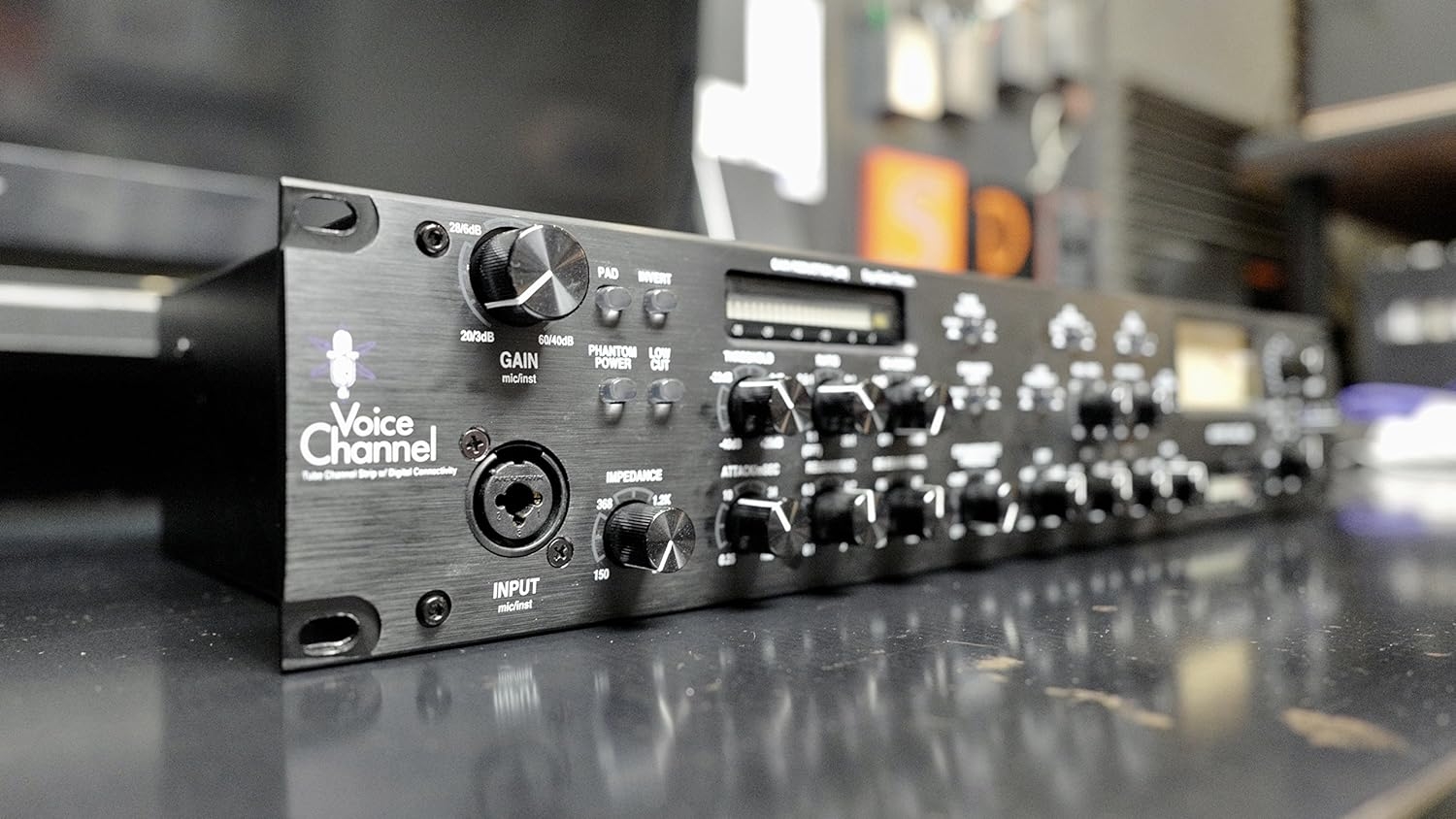
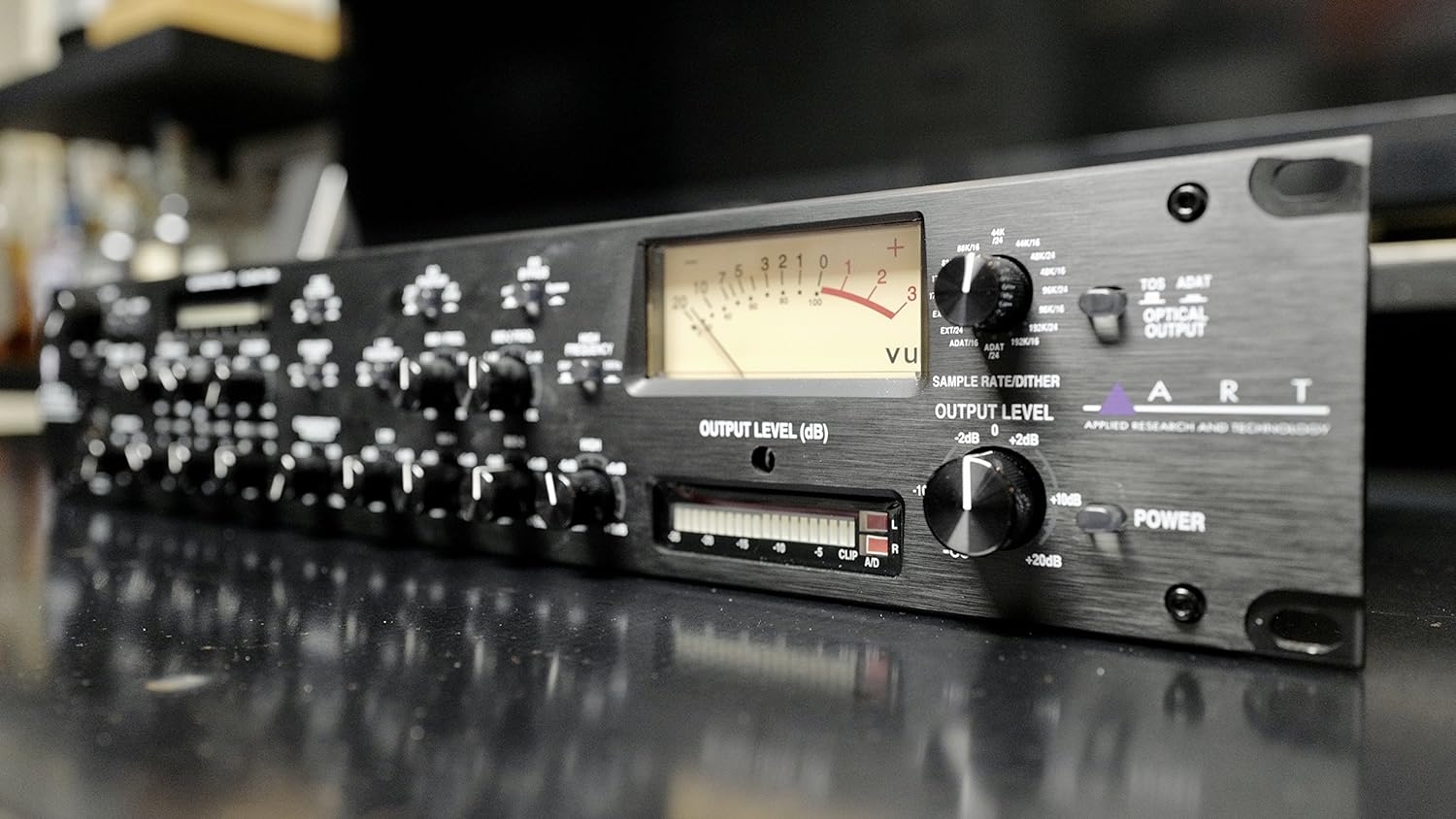

My buying question: would I rather commit to a dedicated microphone front end before the signal reaches the computer, or keep everything inside a standard audio interface and DAW? The ART VoiceChannel Tube Channel Strip is clearly aimed at the first camp. On paper, this is for someone who wants a single XLR-based vocal or instrument path feeding a Mac or Windows recording setup, not someone who just wants the smallest box on the desk.
Why I would consider the ART VoiceChannel instead of interface-only recording
If I were building a simple mobile rig, I would probably stay with a conventional audio interface and its built-in mic inputs. That route is cleaner: one box, fewer cables, and most of the shaping handled inside Cubase, Pro Tools, or another DAW. For quick podcasting, songwriting sketches, and laptop sessions, that simplicity has real value.
The ART VoiceChannel makes more sense when the front end itself matters. My read of this product is that it belongs in a more deliberate recording chain, where one main microphone path gets its own hardware rather than sharing space with generic interface inputs. I would look at it for a studio that records vocals often and wants a traditional channel-strip workflow before the audio reaches the software.
The limitation is obvious: this is another piece of hardware to manage. At 9 pounds, it is not a throw-in-the-bag accessory. It also adds cabling and gain-staging decisions. I would not buy it expecting the convenience of a compact bus-powered interface.
How I read the VOICECHANNEL specs for a DAW studio
ART lists the model as VOICECHANNEL, with Mac and Windows computer-platform support. The recorded digital audio protocols are ASIO and ADAT, which tells me this is meant to live around a computer-based recording system rather than as a purely standalone analog purchase. Cubase and Pro Tools are named as supported software, so I would be most comfortable considering it for workflows built around those applications.
- XLR connector: the right fit for standard studio microphones using balanced XLR cabling.
- 9-pound weight: substantial enough to treat as installed studio hardware, not a travel interface.
- Black finish: should blend easily with typical rack and desktop audio equipment.
- No color screen: I would expect a more traditional hardware workflow, not a modern display-driven interface.
- First available in 2001: I would view it as a long-running style of recording tool, not a newer touchscreen-era device.
Who I think should buy it, and who should skip it
I would shortlist the ART VoiceChannel Tube Channel Strip for a vocalist, producer, or small studio owner who wants one dedicated XLR front end feeding a Mac or Windows setup, especially with Cubase or Pro Tools in the chain. I would skip it if portability, a color screen, or the fewest possible boxes between microphone and computer are higher priorities. Before ordering, I would also double-check that its ASIO and ADAT workflow fits the exact recording setup you plan to use.
Reviews
There are no reviews yet.