
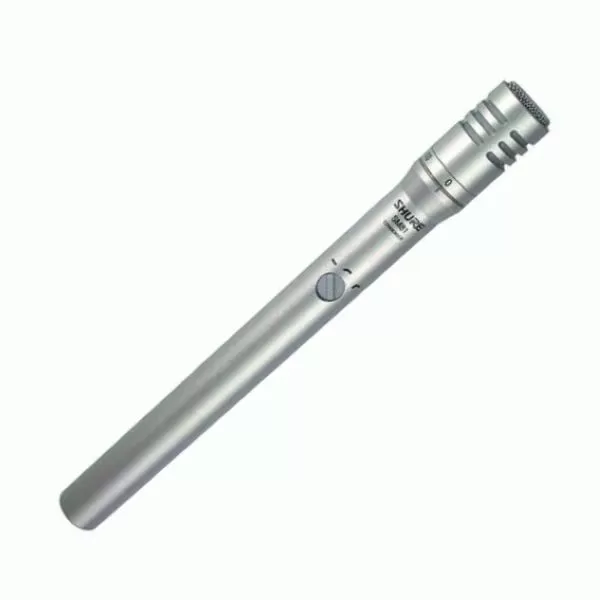
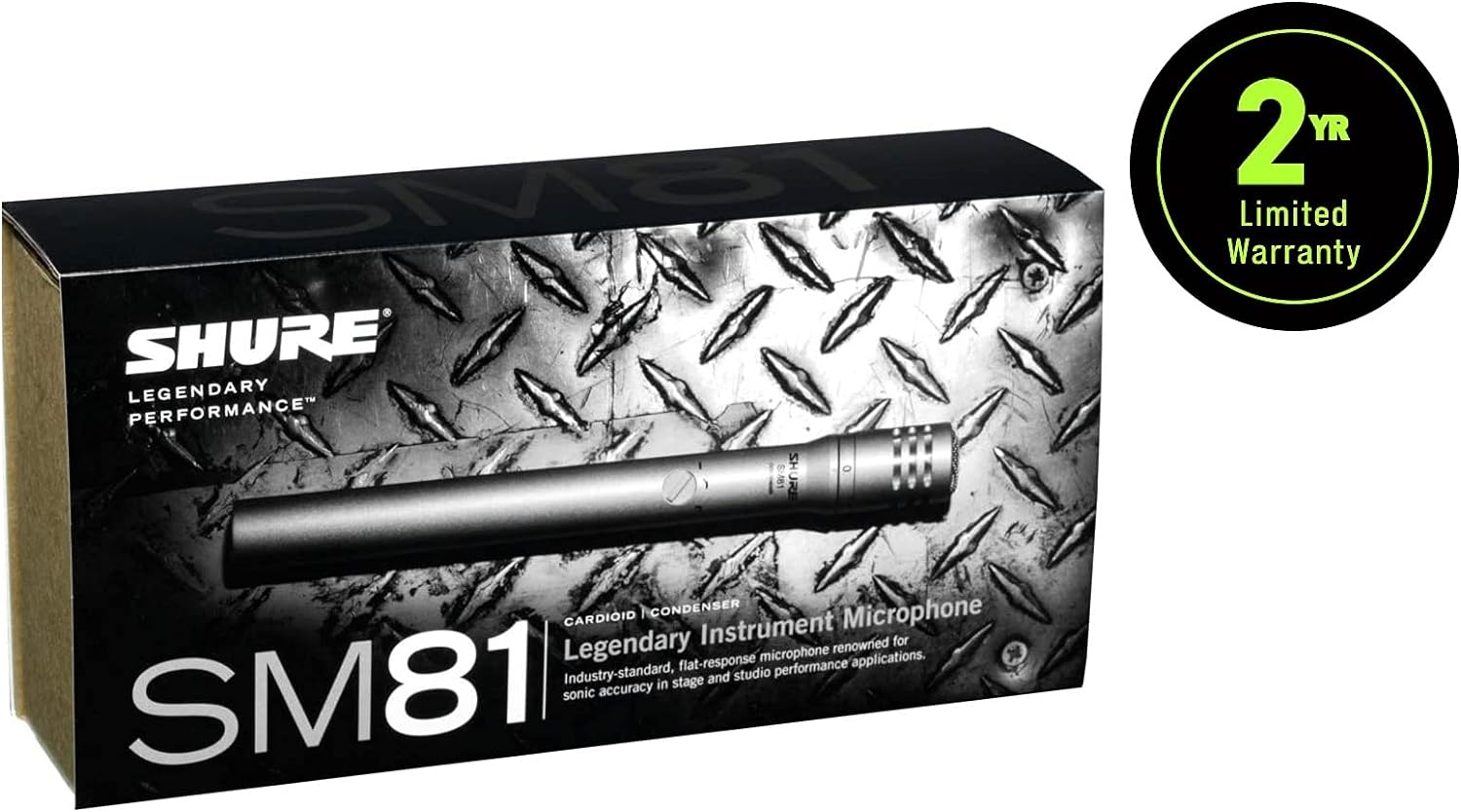
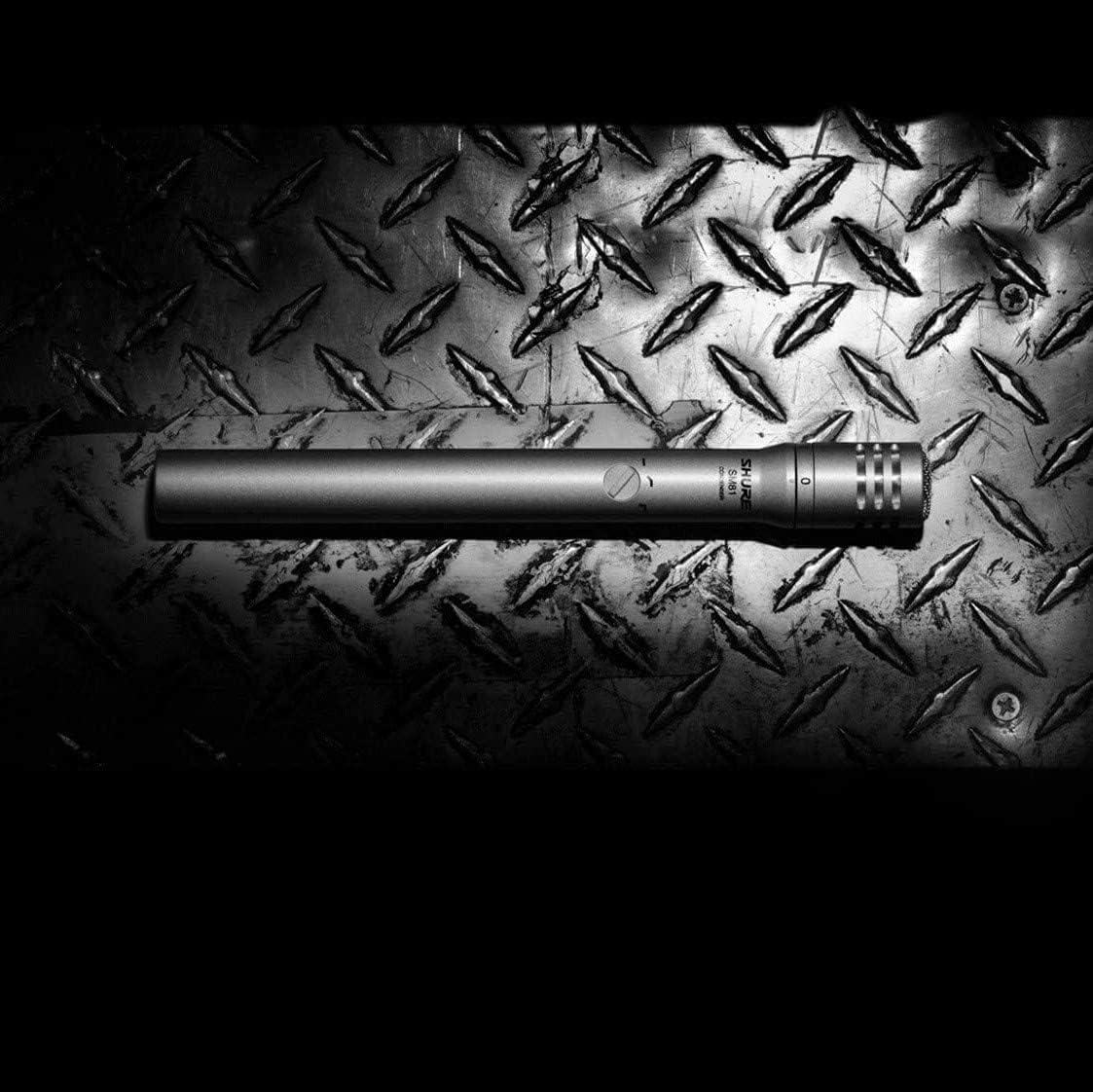
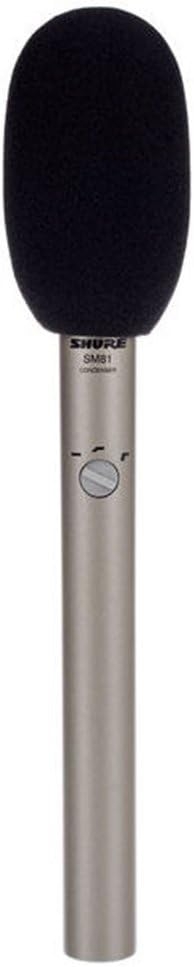
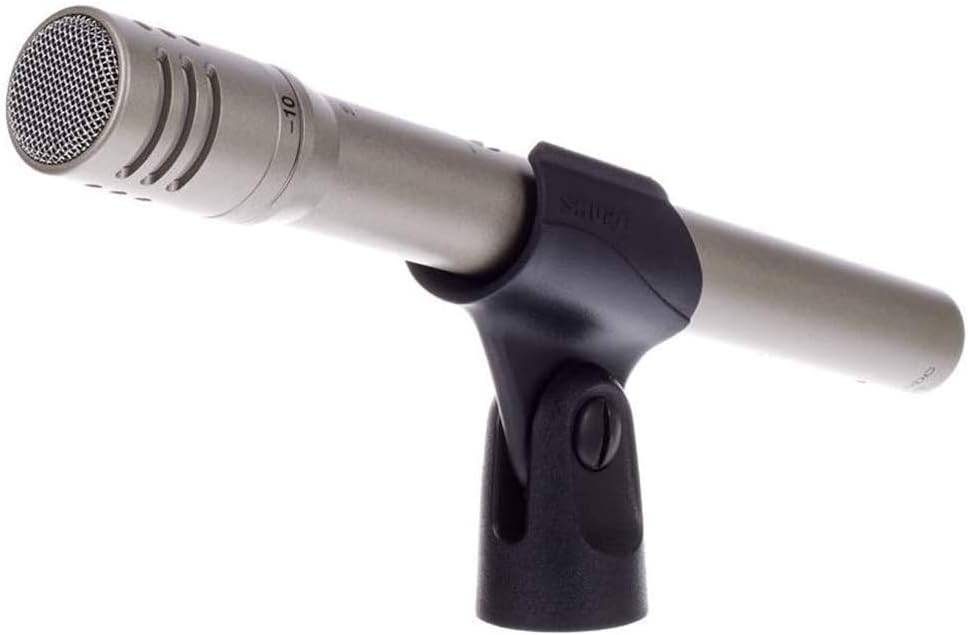
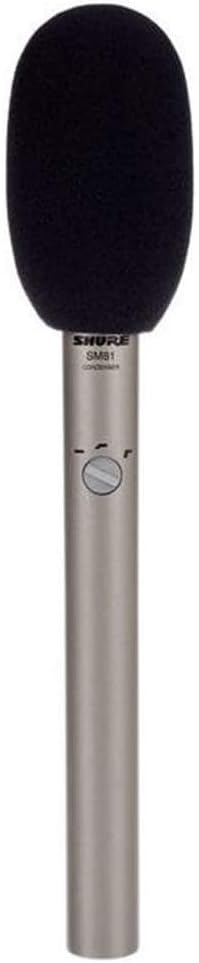

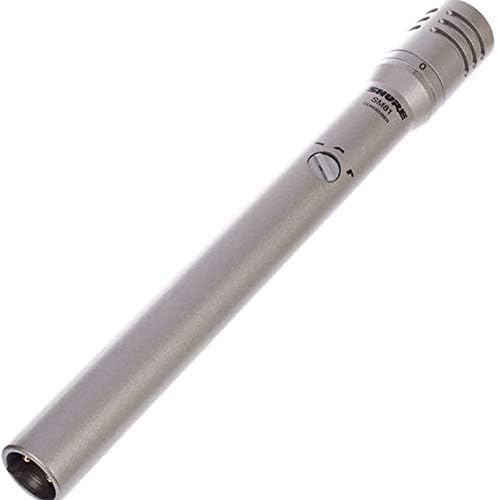
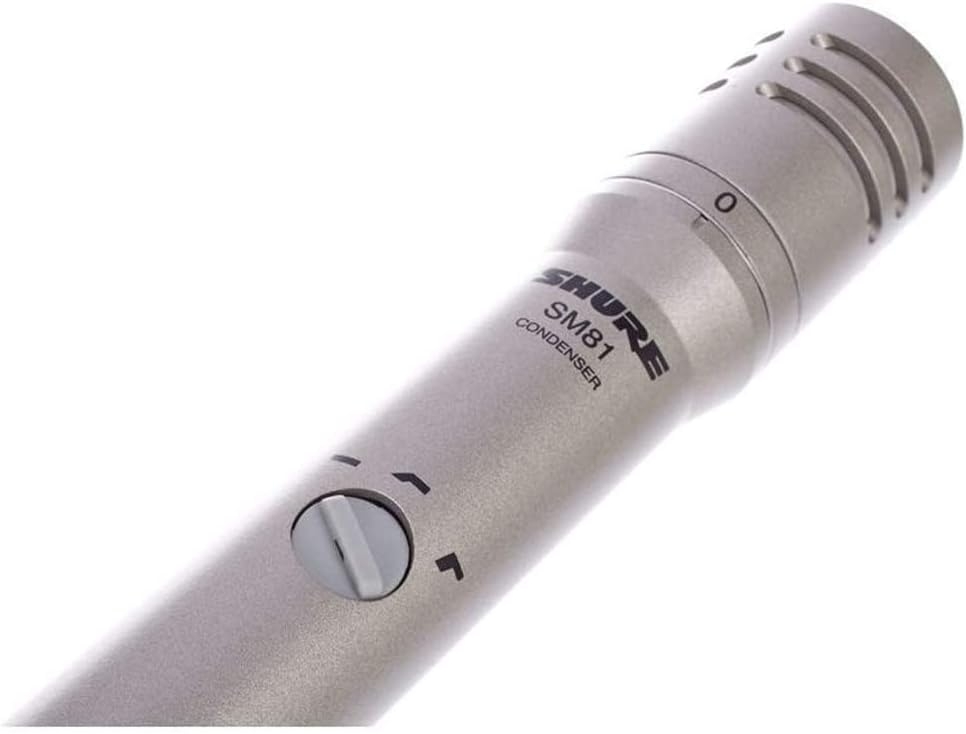

My read of the Shure SM81 is that it is very much a traditional setup microphone, not a convenience mic. It is a black, pencil-style condenser with an XLR connector, an alloy steel body, and the SM81-LC model number. At 8.34 x 0.94 x 0.94 inches and 8 ounces, I would think of it as a stand-mounted mic to aim and leave in position, not something I would buy for casual handheld use.
What I would check before ordering the SM81-LC
The first thing I would check is the rest of the signal chain. The SM81 is not a USB microphone, and it is not meant to plug straight into a laptop headphone jack or a basic speaker input. It uses XLR, so I would pair it with gear that can accept a microphone-level XLR signal, such as a suitable mixer, audio interface, recorder, or compatible amplifier input.
The second issue is power. As a condenser microphone, the listed power requirement is phantom power, which normally comes from the connected audio device. The product data also lists “1 AAA batteries required,” so I would verify the exact power expectations from the manual or seller before ordering. I would not assume this is ready to run without proper phantom-power support.
- Model: Shure SM81-LC
- Connection: XLR
- Power: phantom power required
- Body: alloy steel
- Size: 8.34 x 0.94 x 0.94 inches
- Weight: 8 ounces
Where this type of mic makes sense to me
I would look at the SM81 if I were building around a more conventional recording or sound-reinforcement chain and wanted a compact condenser form factor. The slim body makes sense for careful placement, and the alloy steel construction suggests a mic designed for mounted use rather than lightweight plastic desk duty.
The honest limitation is that a condenser mic is usually less forgiving of the surrounding environment than a simpler dynamic mic. If the room is noisy, untreated, or full of background sound, I would think carefully before choosing this category. A microphone like this can be the right tool, but only if the rest of the setup is ready for it.
Who I think should skip the SM81
I would skip the SM81 for simple voice calls, quick podcasting into a laptop, phone recording, or anyone who wants one-cable plug-and-play simplicity. I would also skip it if there is no XLR input and no reliable phantom power available.
If I were buying for handheld stage vocals or rough everyday use, I would look at a dynamic XLR mic instead. If I wanted the easiest computer setup, I would look at a USB microphone. The SM81 makes more sense for someone who already understands, or is willing to build, the supporting gear around an XLR condenser microphone.
Reviews
There are no reviews yet.