, , , ,

MXL 770

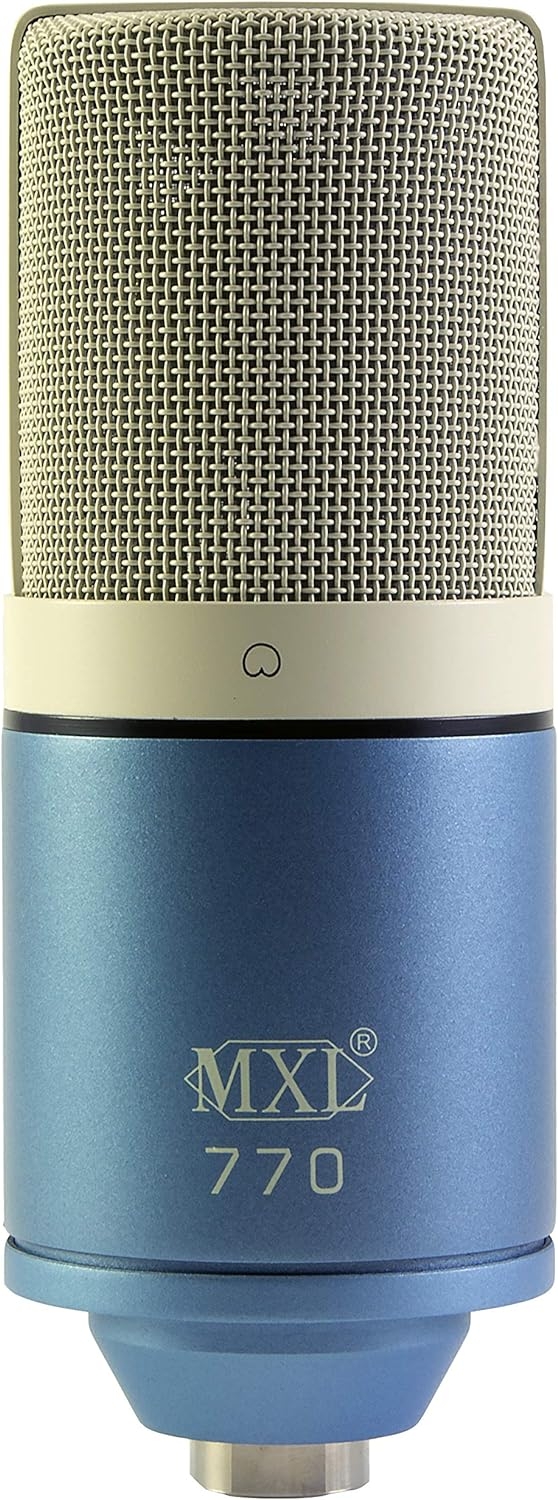
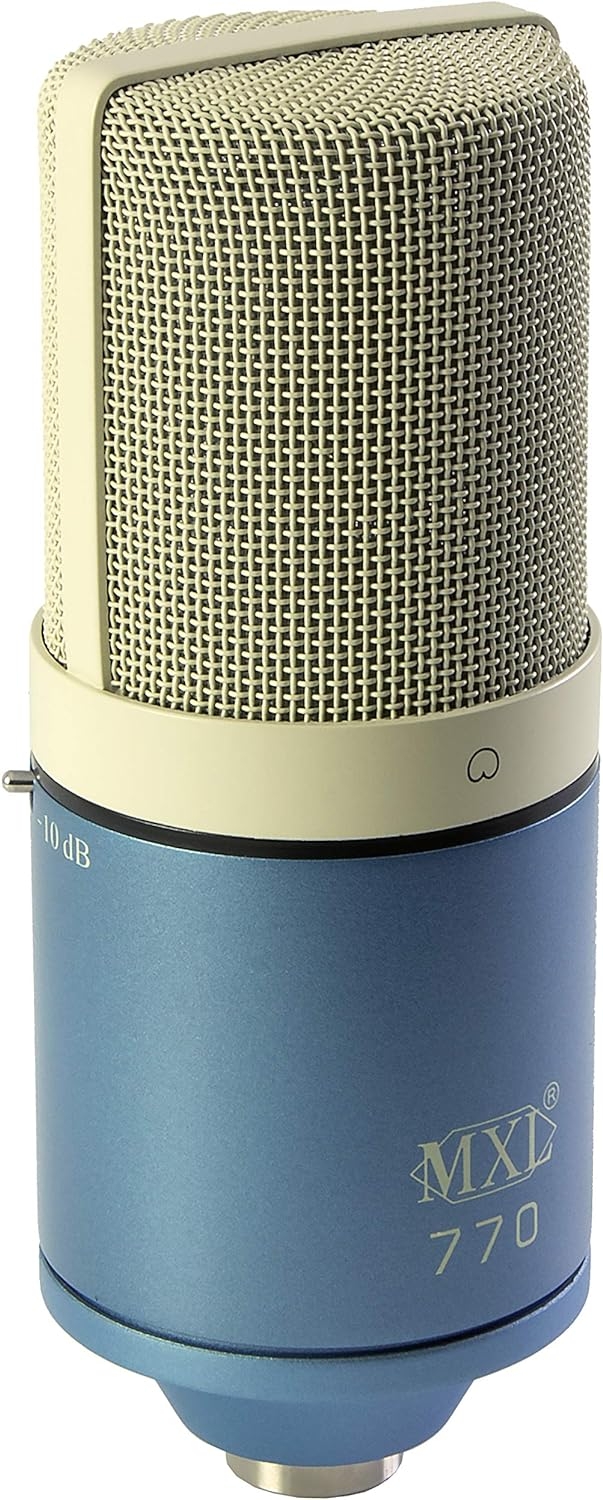
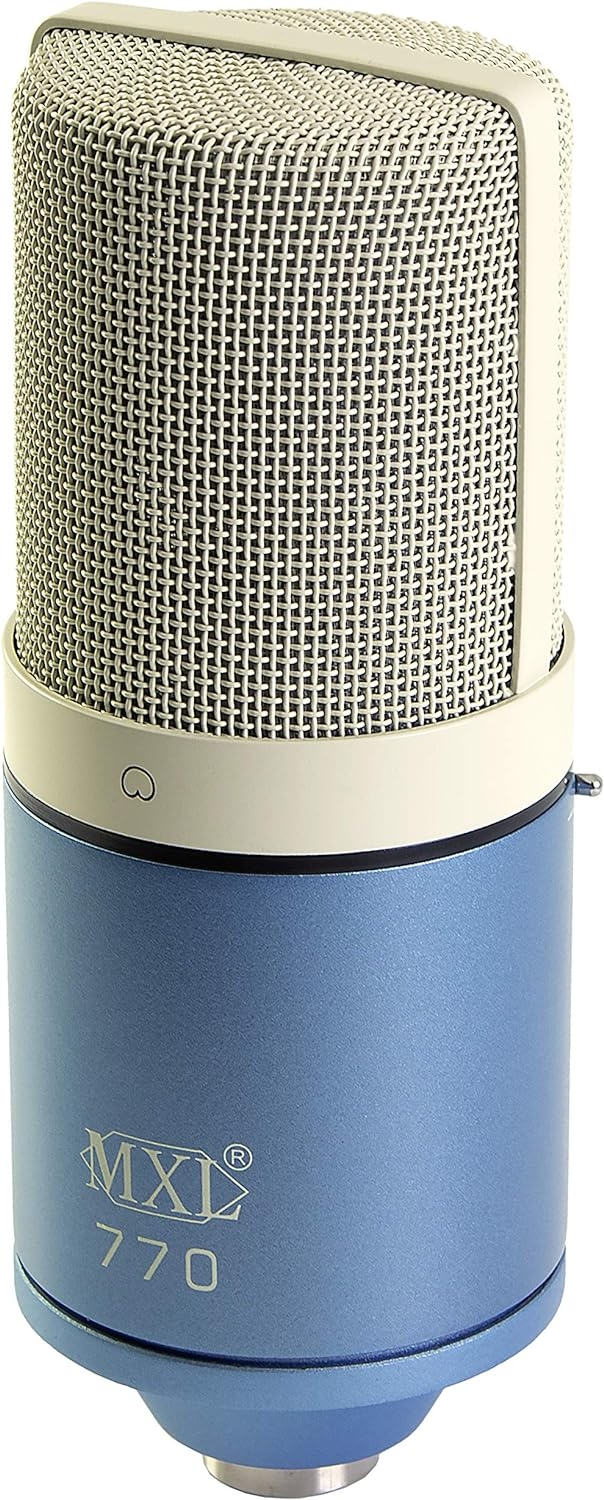
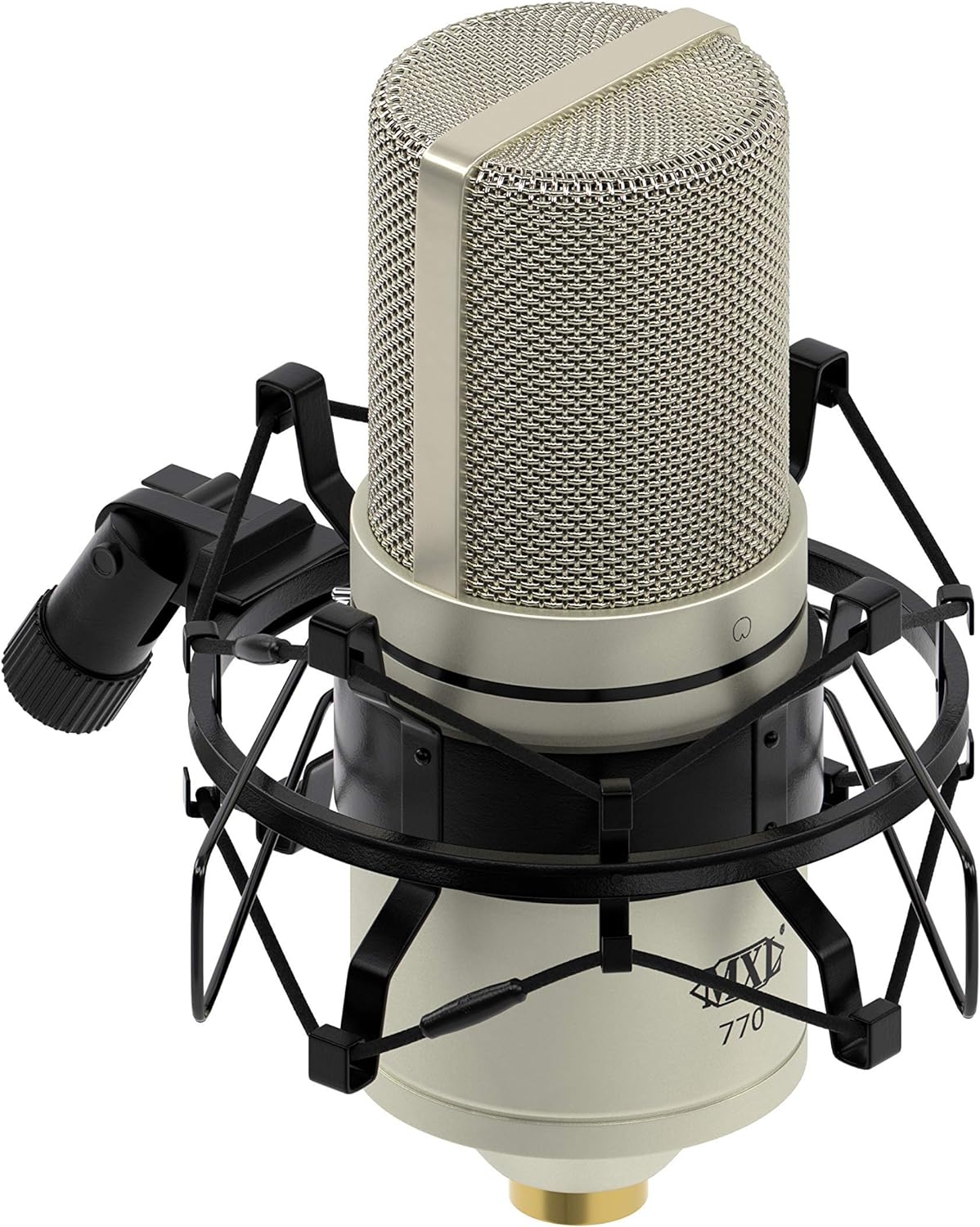
The MXL 770 microphone is a really good recording tool. It’s tough and well-built, with great sound quality. Made from strong metal, it looks cool with its smooth finish. This microphone captures sound very clearly without any fuzziness, making it perfect for recording voices and different musical instruments.

The MXL 770 microphone is great for beginners since it’s easy to use with minimal effort to begin recording. Using a pop filter can improve its performance by reducing strong sounds, but it might catch handling noise easily. Nevertheless, even with these small issues, the MXL 770 is a solid choice for those seeking professional-quality sound from a sturdy microphone.

I’d look at the MXL 770 as a traditional studio-style condenser, not as a quick plug-and-play computer mic. The key point is simple: this black MXL-770 uses an XLR connector and needs 48V phantom power. That means I would only consider it if an audio interface or suitable preamp is already part of the plan.

At 1 pound and 12 x 4 x 8 inches, it is still manageable for a desk or small recording space, but I would not treat it like a pocket accessory or casual travel mic. My read of these specs is that the MXL 770 belongs on a stand, wired into an interface, and positioned with some care.

Where I think the MXL 770 makes sense

If I were building a basic home recording chain, I’d pair this microphone with an audio interface that supplies phantom power and has an XLR input. The usual path would be microphone to interface by XLR cable, then interface to the computer or recording device. That setup asks more from the user than a USB mic, but it also gives you a more conventional recording workflow.

As a condenser microphone, this is the type of product I’d consider for sources where captured detail matters: voice work, singing, acoustic instruments, and controlled recording at a desk or in a small room. The listed compatibility with an audio interface is the important clue here. I would not buy it expecting it to solve the whole setup by itself; I’d buy it as one part of a recording chain.

What I would check before ordering

  • Phantom power: I would confirm that the interface or preamp provides 48V phantom power, because the mic depends on it.
  • XLR cabling: this is not a USB microphone, so an XLR cable and interface are part of the setup.
  • Desk space: the 12 x 4 x 8 inch size is reasonable, but I’d still plan for a stand, cable routing, and placement.
  • Room noise: with a condenser, I’d be careful about fan noise, hard desk reflections, and untreated rooms becoming part of the recording.

Who I’d tell to skip the MXL 770

I’d skip the MXL 770 if you want a microphone that plugs directly into a laptop, phone, or tablet. I’d also avoid it if you do not want to deal with phantom power, an audio interface, or stand placement. The honest limitation is that this mic is not a self-contained solution. It makes the most sense for someone who is comfortable building a simple XLR-based recording setup around it.

Weight 1 kg
Dimensions 12 × 4 × 8 cm
Item Weight

1 Pounds

Product Dimensions

12 x 4 x 8 inches

Item model number

MXL-770

Date First Available

October 2, 2001

Color Name

Black

Compatible Devices

Audio Interface

Connector Type

XLR

Size

8.00 x 4.00 x 12.00 inches

Power Source

48V Phantom Power

Manufacturer

MXL

Reviews

There are no reviews yet.

Be the first to review “MXL 770”
Scroll to Top