
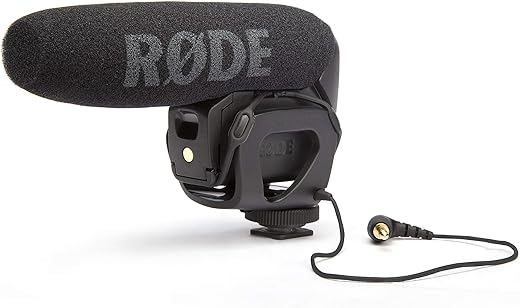
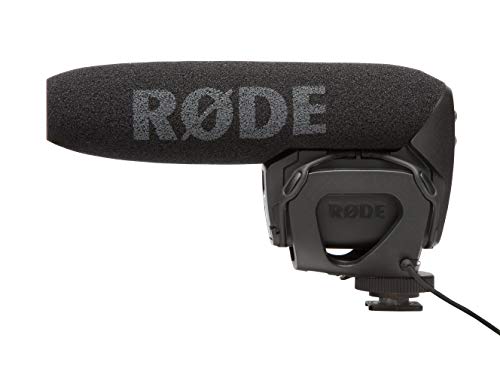
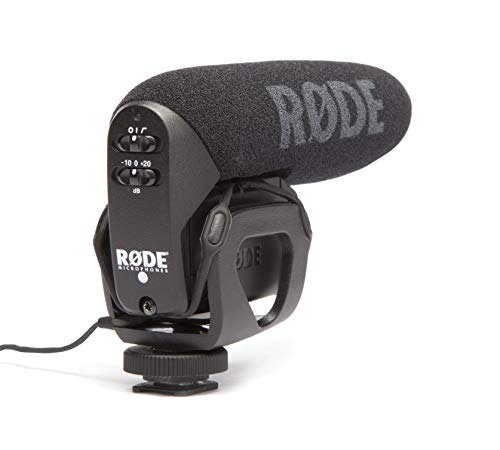
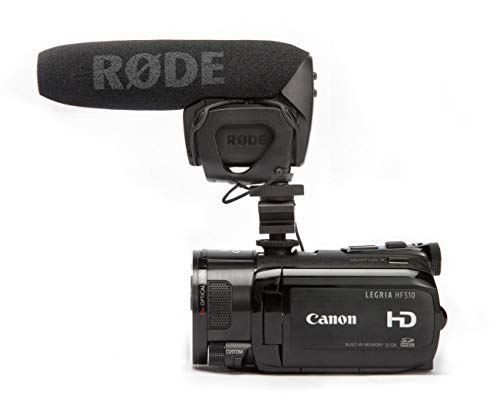

I’d look at the Rode VideoMic Pro first as a camera microphone, not as a do-everything recording tool. The product name and format tell the story: this is built for video rigs where the camera is the center of the workflow. At 10.5 x 2.25 x 5.2 inches and 3.03 ounces, my read is that it is meant to stay light on a DSLR or compact video setup while still being a dedicated external mic rather than something built into the camera body.
Why I’d consider it for camera-led shooting
If I were building a small video kit for interviews, travel pieces, creator work, or run-and-gun filming, the VideoMic Pro would make sense on paper. It comes from RØDE Microphones, carries the VMP model number, and has been available since March 3, 2011, which tells me it sits in a long-running video-audio category rather than being a short-lived experiment.
The low 3.03-ounce listed weight is one of the most important practical details here. I wouldn’t want a camera-mounted mic to be the thing that makes a handheld rig feel awkward. That said, the 10.5-inch length still matters. On a very small camera body, a compact cage, or a crowded accessory setup, I’d check the mounting space before ordering.
The 9V battery is the detail I would plan around
The Rode VideoMic Pro requires one 9V battery, and I would treat that as a real workflow consideration rather than a footnote. The upside is that it does not depend on a phantom-powered XLR setup. The downside is simple: if the battery is missing or dead, the microphone becomes a problem at the worst possible time.
So if I were buying this for field work, I’d keep spare 9V batteries in the camera bag and make battery checks part of the pre-shoot routine. That is not a dealbreaker, but it is an honest limitation compared with gear that pulls power directly from another part of the recording chain.
Who I’d buy it for, and who should skip it
I’d point the Rode VideoMic Pro toward videographers, solo creators, and camera-first shooters who want a lightweight external microphone for production audio near the camera position. It looks most at home on a video rig, not on a podcast desk or in a formal studio chain.
I’d skip it if the main job is music recording, handheld stage use, desk podcasting, or a studio setup built around dedicated XLR microphones and preamps. For those workflows, I’d look at a microphone designed specifically for that environment instead.
Reviews
There are no reviews yet.