
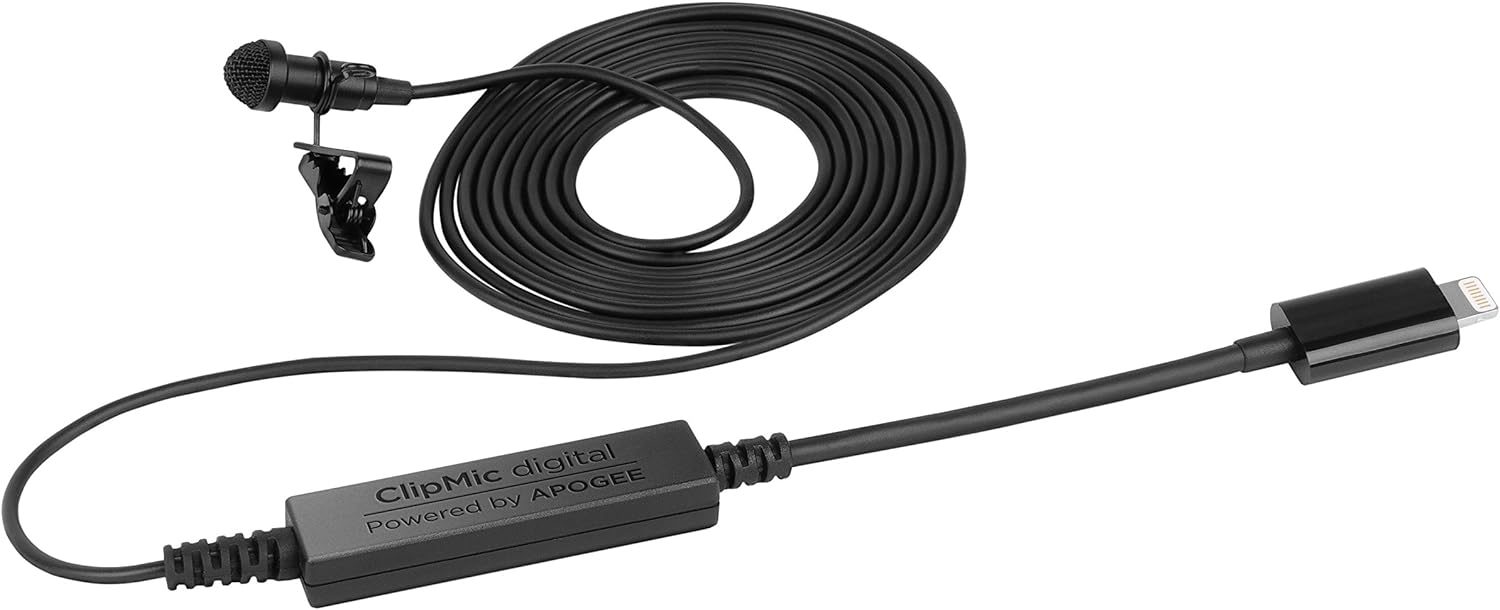
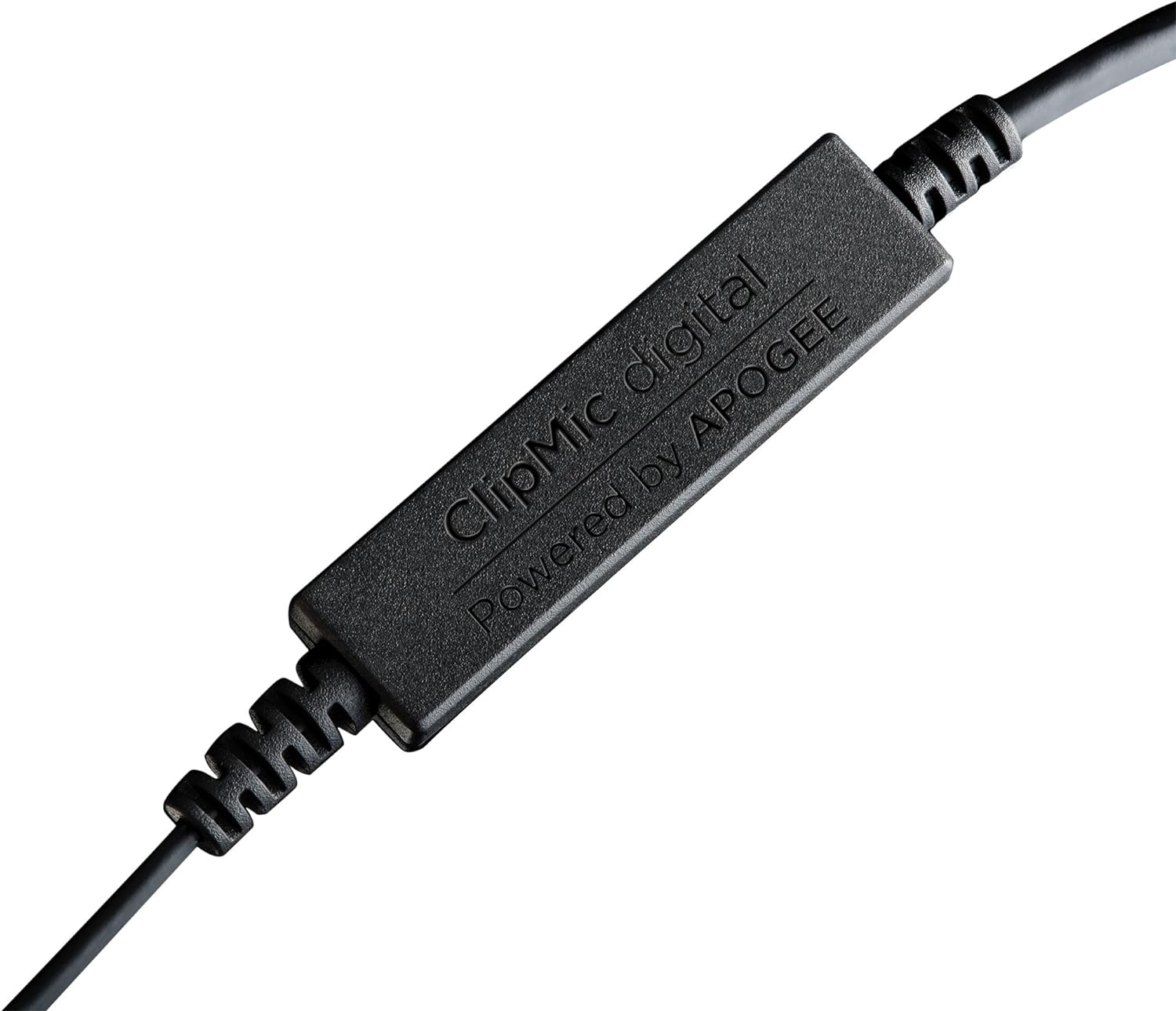

My read on the Sennheiser ClipMic is that it is a very specific mobile-recording tool, not a general-purpose microphone. The key fact is the connector: this is the ClipMic digital model with a Lightning connection, listed for iPhone, iPod, and iPad. If that is your capture device, the design makes sense. If it is not, I would not try to force this mic into the wrong setup.
Why I’d consider this for a Lightning-based mobile kit
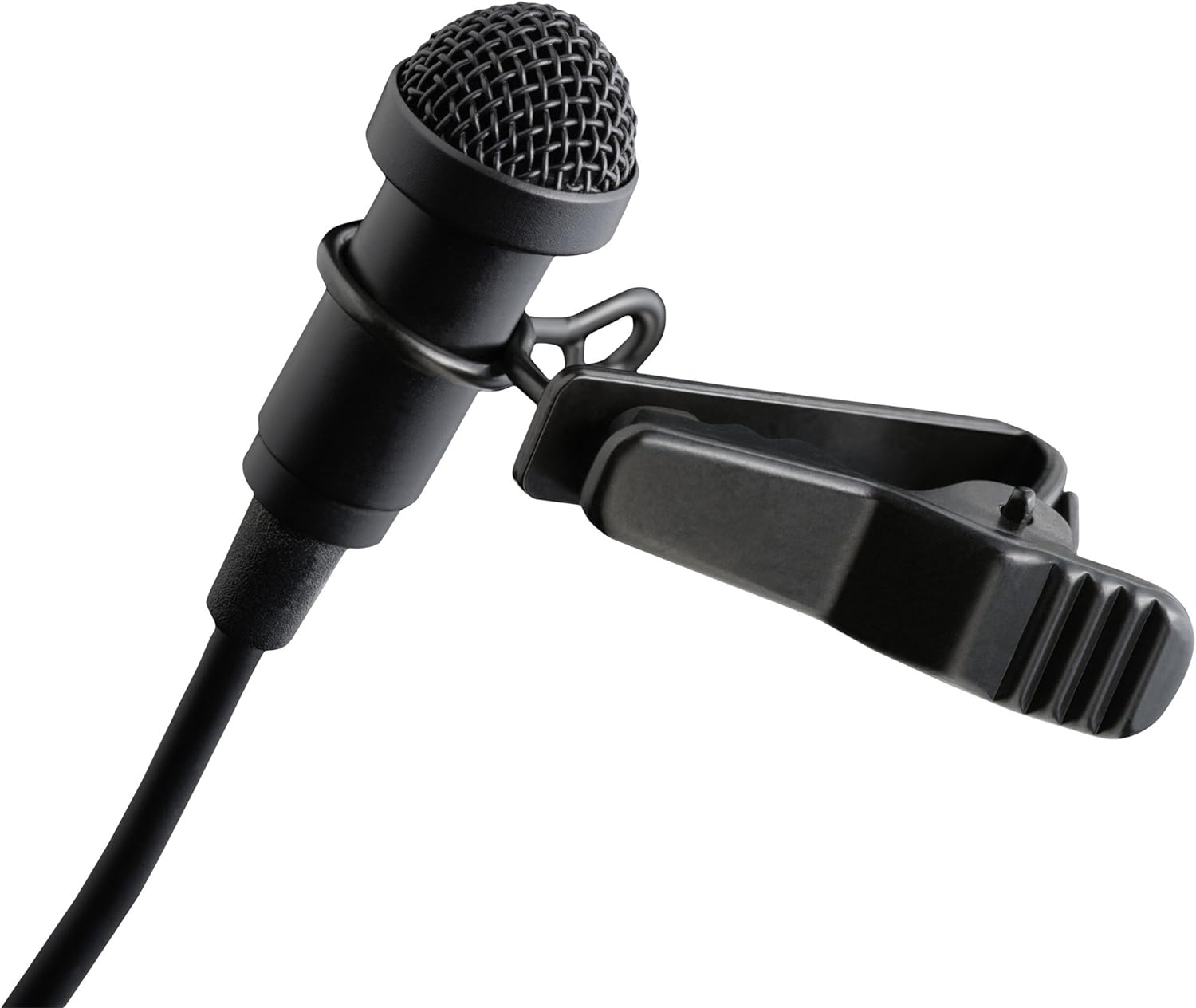
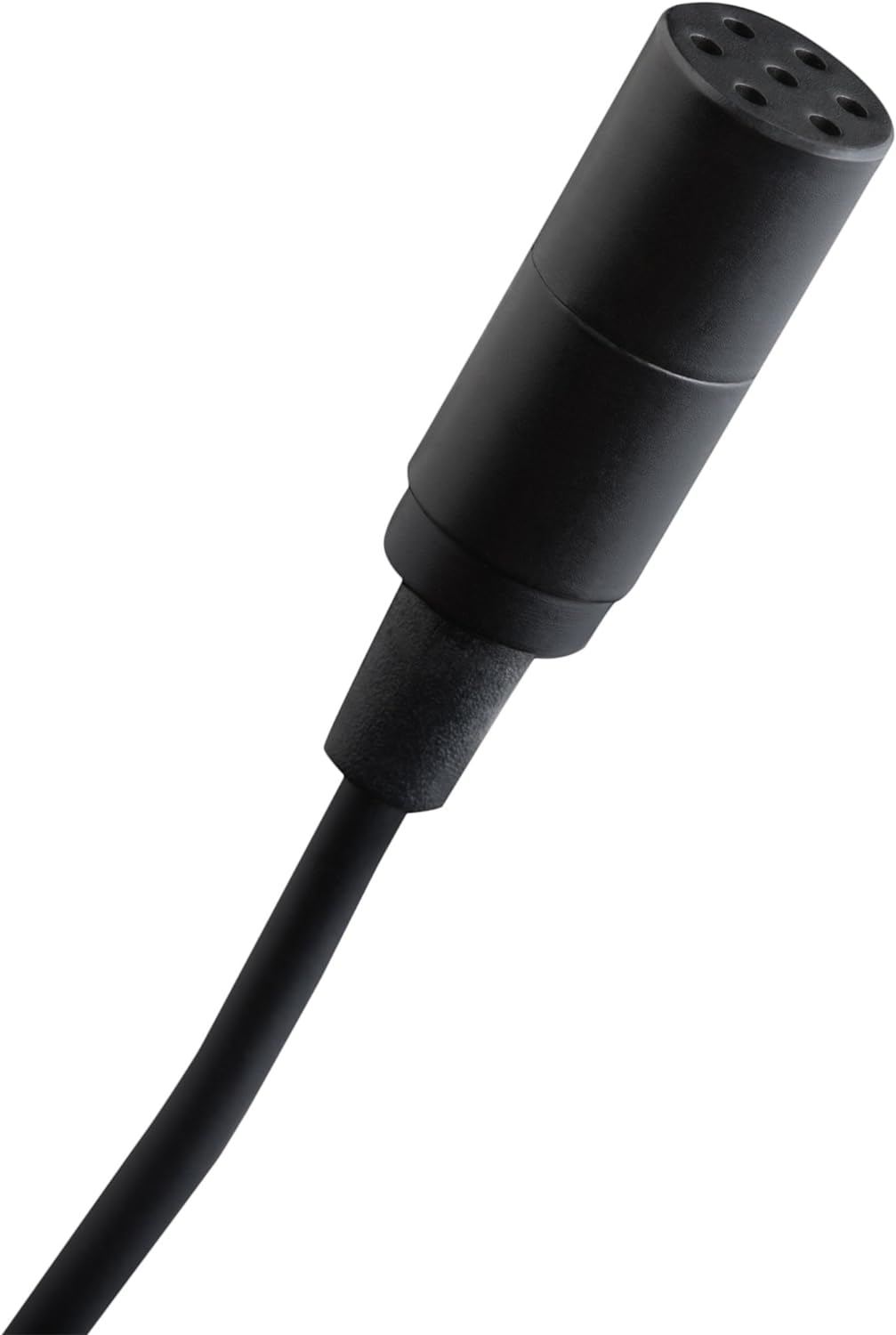
The appeal here is simplicity. The ClipMic is a black, clip-on microphone weighing 3.2 ounces, with listed dimensions of 5.1 x 1.5 x 7.1 inches. It is clearly aimed at a compact phone-or-tablet workflow rather than a desk full of recording hardware. I’d look at it for speech-led capture where keeping the microphone close to the person talking matters: interviews, voice notes, mobile video, lectures, or straightforward talking-head recording.
A lav-style clip mic solves a practical problem that phone recording often creates. Instead of holding a device near someone’s face or leaving it on a table across the room, the microphone can sit on clothing and keep the capture point close to the speaker. That physical placement is the main reason I’d consider this category in the first place.
The Lightning connection is both the point and the limit
I would treat the Lightning connector as the defining buying decision. The listed compatible devices are iPhone, iPod, and iPad, with the hardware platform described as tablet and smartphone. The power source is corded electric, so this is not a wireless lavalier system and not a traditional studio mic that belongs in an XLR-and-interface chain.
That narrow focus can be a strength if your setup is already Apple mobile hardware. It keeps the rig lean: microphone, compatible device, and the recording workflow you already use. But I would not buy it expecting broad compatibility. If your current device is USB-C, Android, a DSLR-style camera input, a handheld recorder, or an audio interface, this would be the wrong starting point unless you have a very deliberate adapter-based plan.
Placement and movement still need attention
Even without making any claims about sound, I’d flag the normal lavalier tradeoffs. A wired clip mic keeps the speaker physically tied to the recording device, so movement has to be managed. Clothing placement also matters with any clip-on microphone. Fabric, jewelry, zippers, or hiding the mic too aggressively can all make a lav setup less predictable.
Who I’d tell to skip the Sennheiser ClipMic
I’d skip the Sennheiser ClipMic if you do not record on a Lightning-equipped iPhone, iPad, or iPod. I’d also pass if you need wireless freedom, multiple speakers on separate mics, camera input compatibility, USB-C support, or an XLR-based recording chain. For the right Apple mobile user, it looks like a focused clip-on option. For everyone else, I’d start with a mic built around the connector and workflow they actually use.
Reviews
There are no reviews yet.