
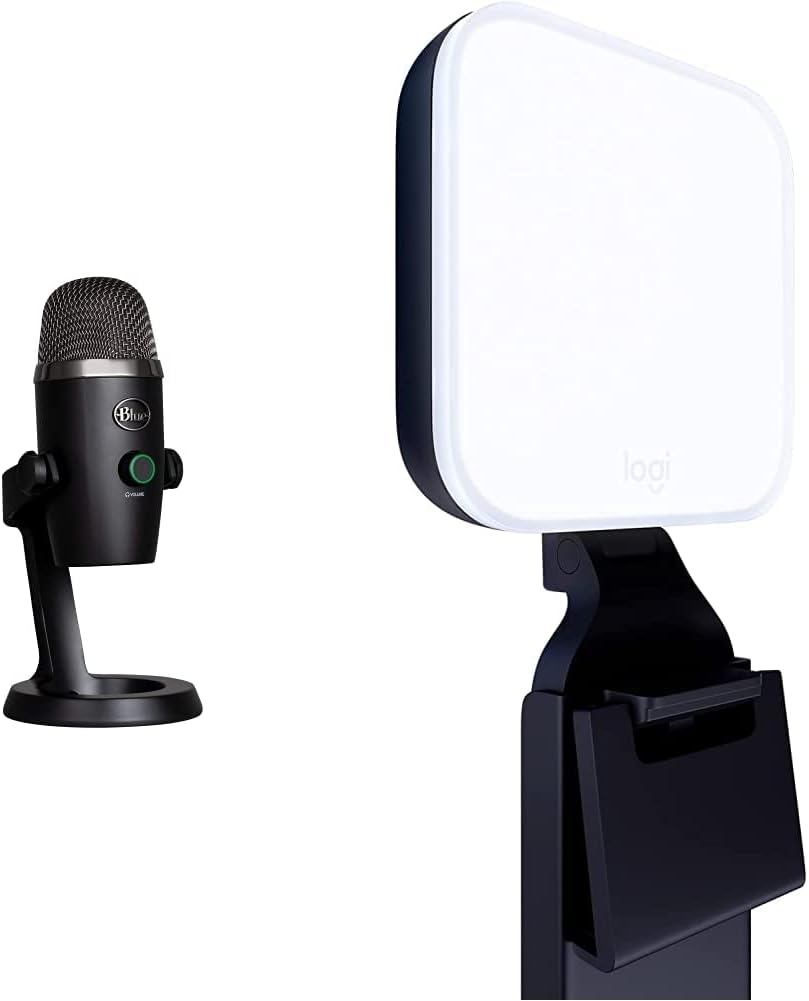
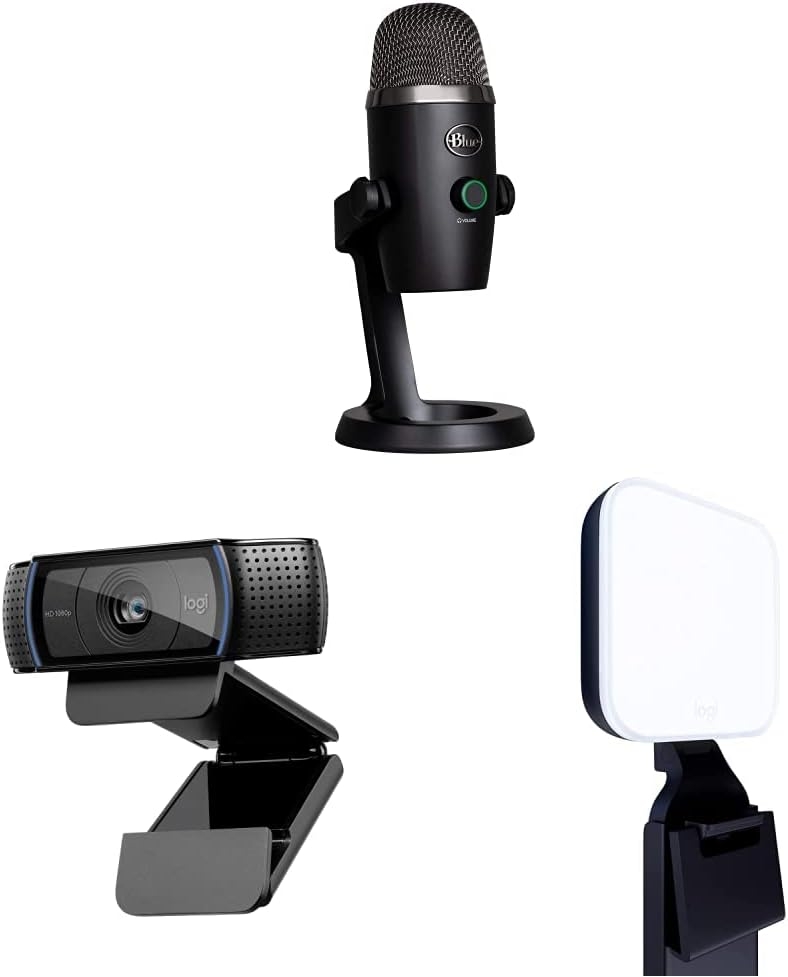
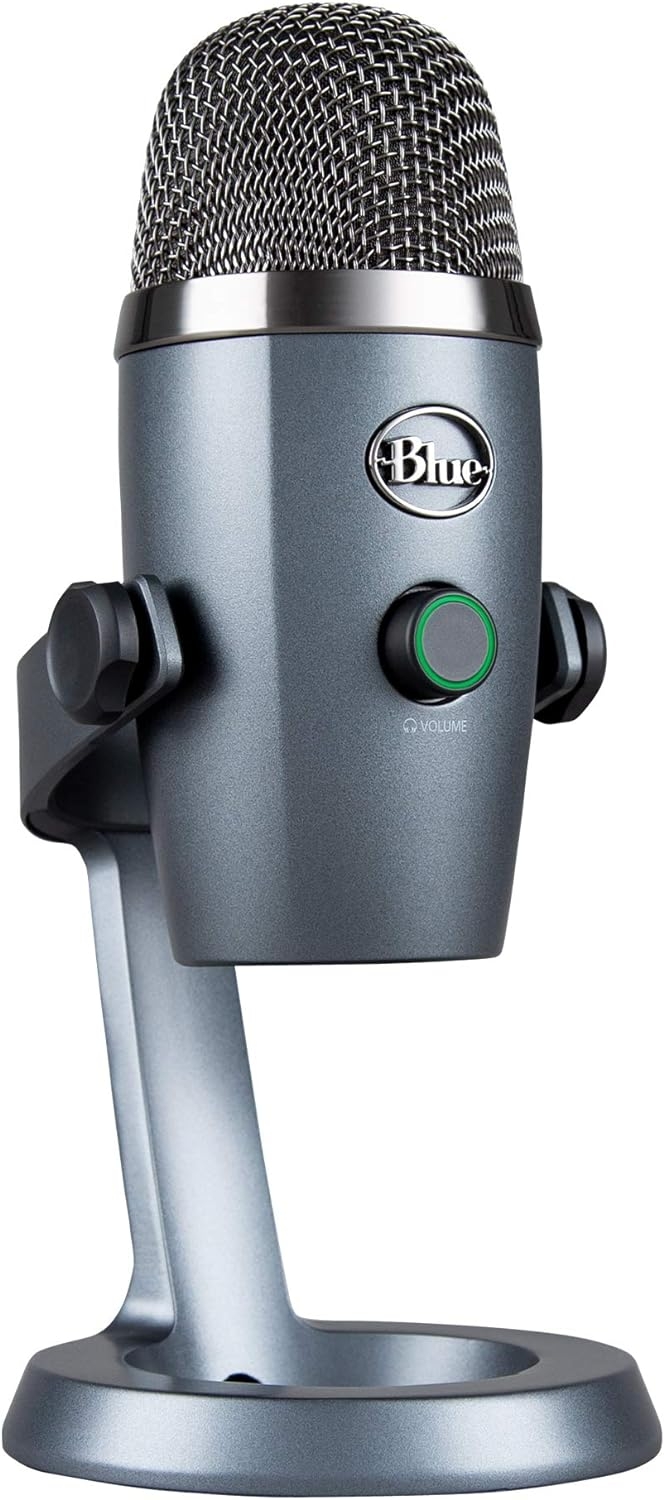


As Alex Smith at Techzelo, my read on the Blue Yeti Nano is simple: this is a compact USB desktop microphone for someone who wants fewer moving parts between their voice and a personal computer. The recorded spec sheet points to a Shadow Grey, metal-bodied mic with USB connectivity, USB power, and a custom base with cable management included. At 4.29 x 3.78 x 8.31 inches, it looks positioned for a normal desk rather than a full recording rig.
Why I’d consider the Yeti Nano for a clean PC desk
The biggest reason I’d put the Yeti Nano on a shortlist is the USB setup. If you are recording into a personal computer, joining calls, streaming, or handling spoken-word work from a desk, USB keeps the chain straightforward. There is no separate interface listed here, no extra power supply to plan around, and no stand purchase required just to get started.
I also like that the package is not barebones. The included components are the Yeti Nano mic, custom base with cable management, USB cable, 1/4-inch to 5/8-inch adapter, and Quick Start Guide. That adapter matters if you later decide the desktop base is not the right position and want to mount it differently.
How I’d think about the unidirectional pattern
The recorded polar pattern is unidirectional, and that shapes who this mic makes sense for. I’d choose that kind of pickup for one person speaking toward the microphone at a computer. It is not the pattern I’d pick if the goal is to place one mic in the middle of several people and capture everyone equally.
- Best match: one-person PC recording, voice chat, online meetings, compact streaming desks, and podcast-style speech.
- Less ideal: group conversations around one microphone, room pickup, or setups where people speak from different directions.
- Core specs I’d note: USB connection, unidirectional pickup, 20Hz – 20kHz frequency range, 100 dB signal-to-noise ratio, and metal construction.
Where I’d be cautious before buying
The limitation is expandability. Because this is a USB microphone aimed at a personal computer, I would not buy it as the foundation for a traditional multi-mic studio signal chain. I’d also skip it if you need broad device compatibility beyond a PC, or if your recording situation needs several voices captured from around the room.
My buying advice: choose the Blue Yeti Nano if you want a compact, metal, USB mic with its own desktop base and a focused single-speaker use case. Skip it if you need multi-person flexibility, an XLR-style upgrade path, or a microphone setup built around more than one computer-based source.
Reviews
There are no reviews yet.