
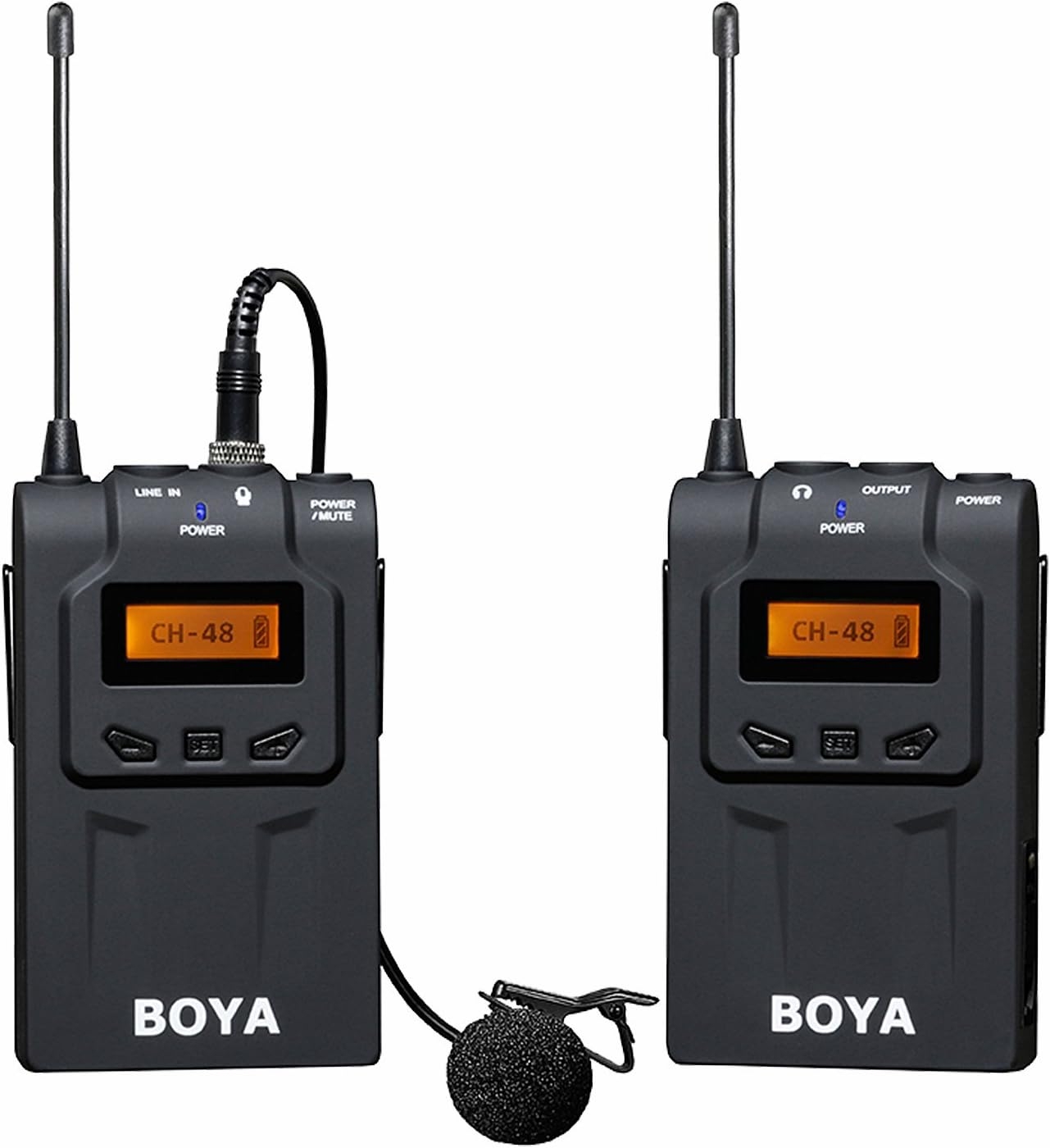
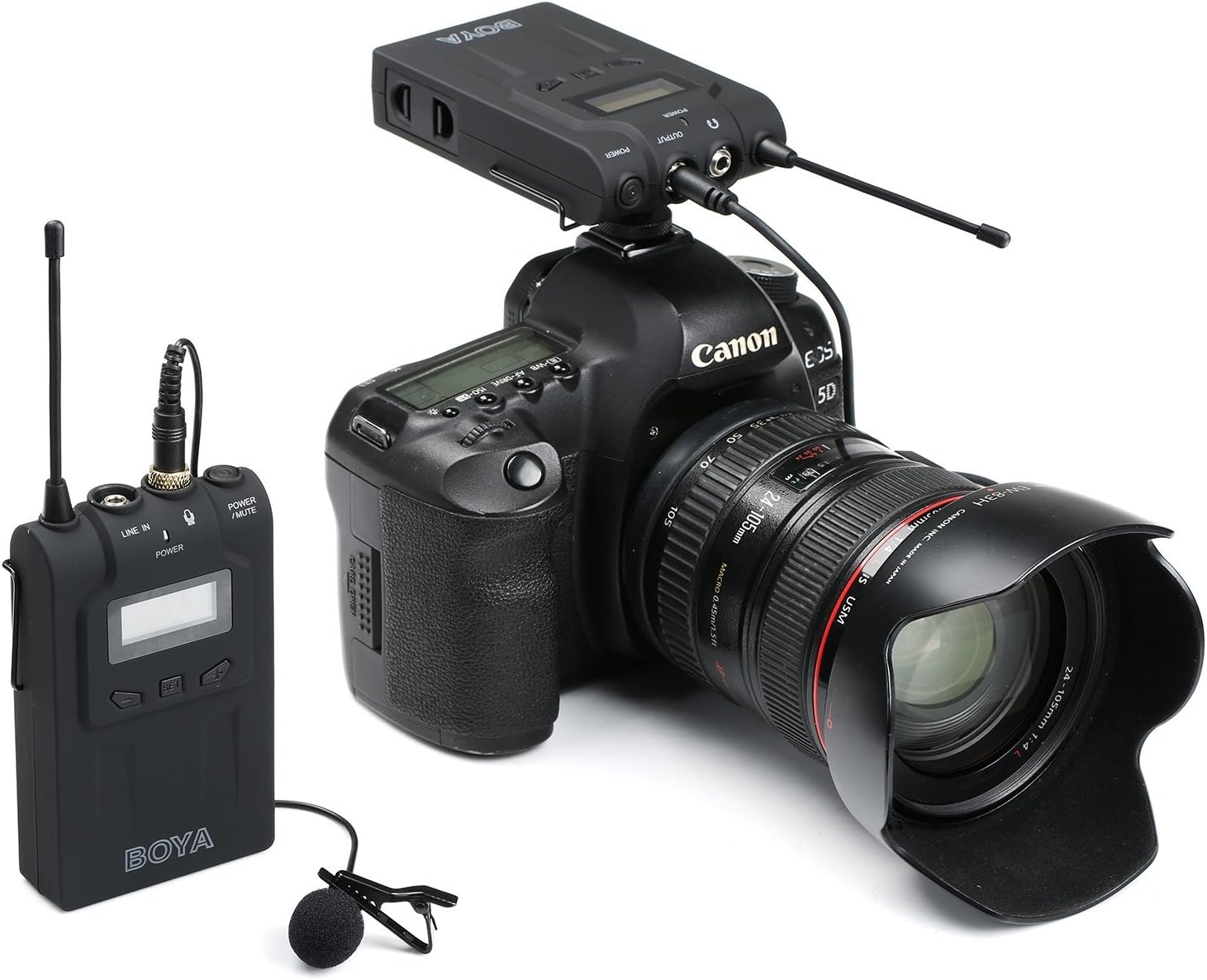
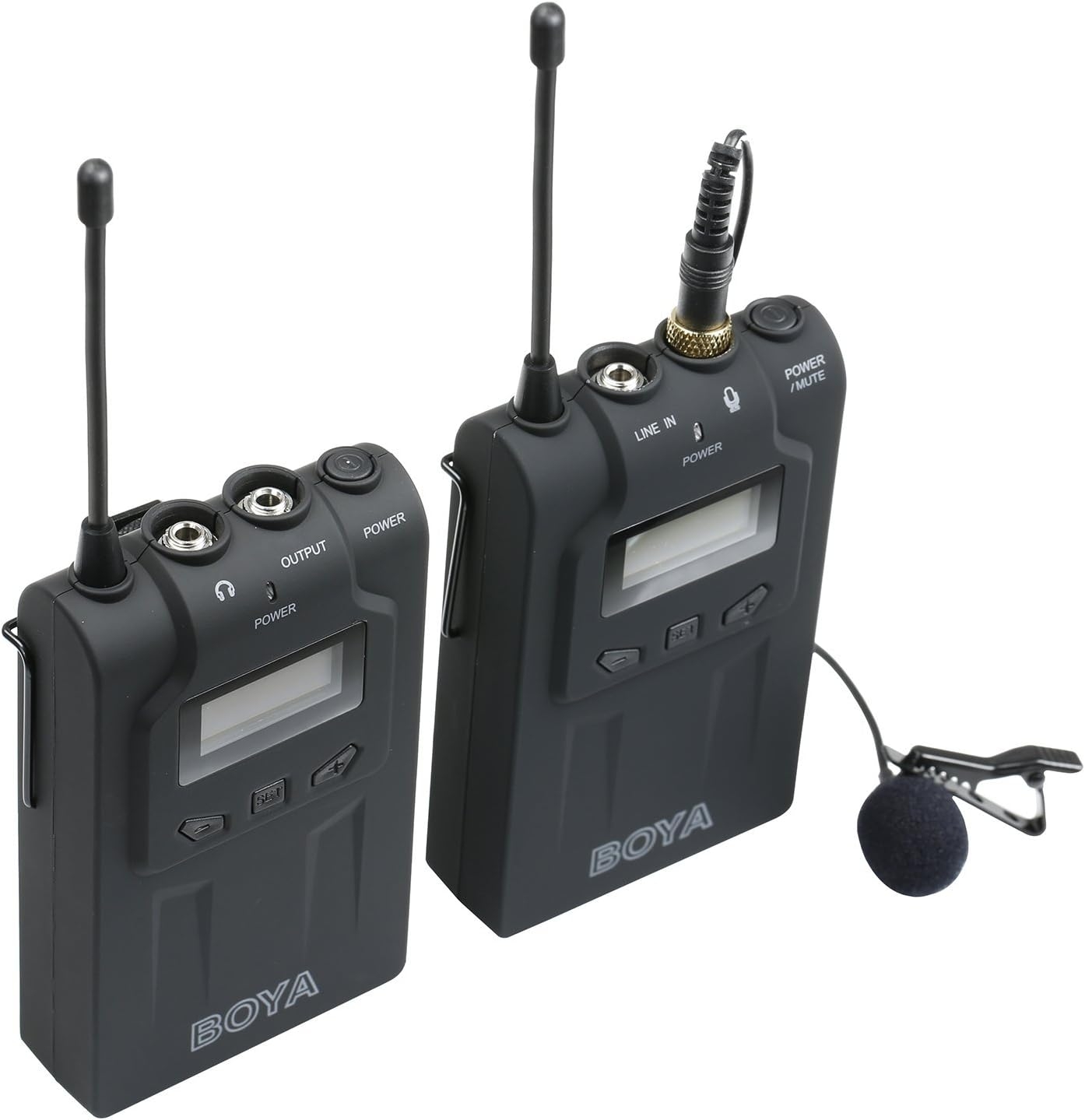
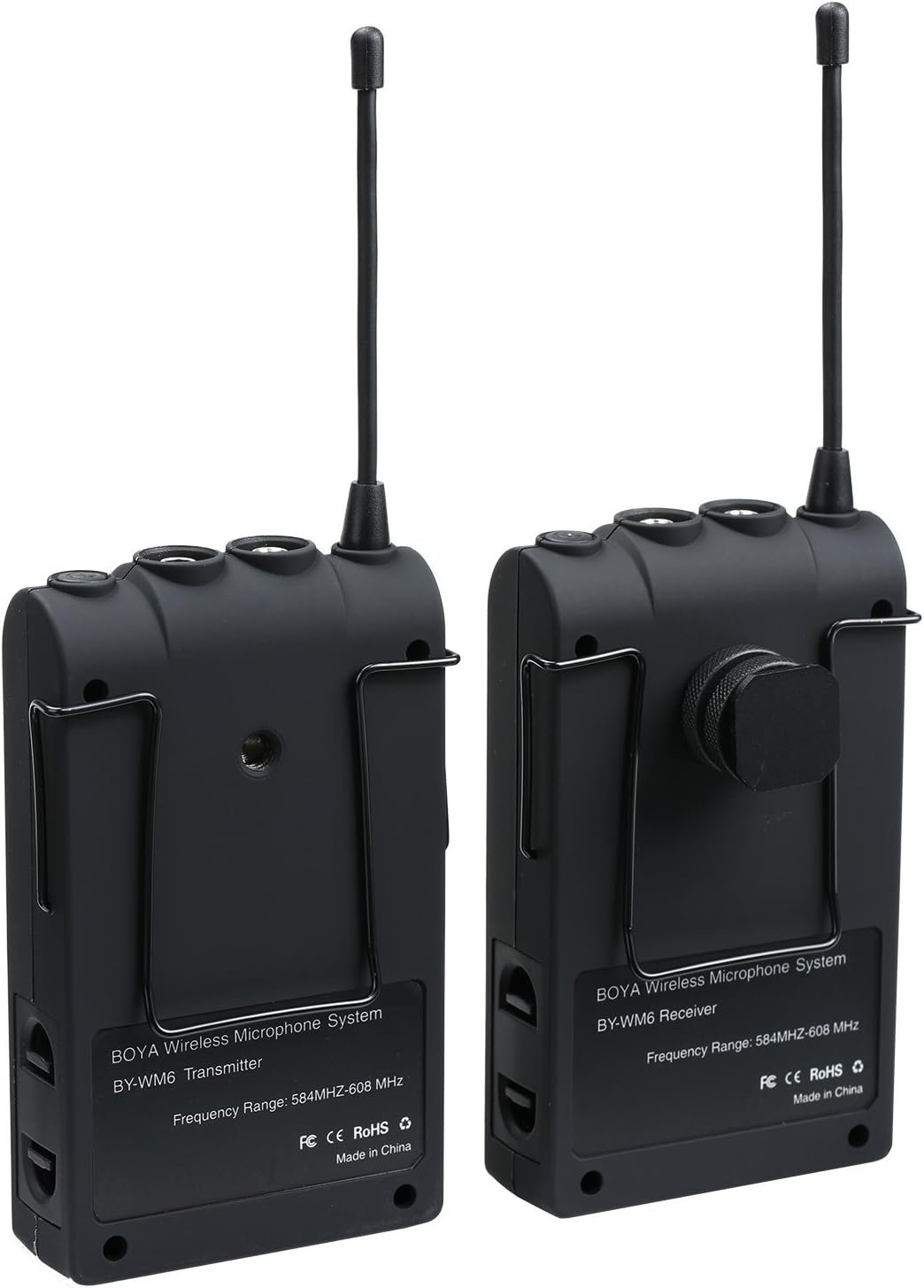

My read on the BOYA BY-WM6 is straightforward: this is a camera-audio tool, not a computer-first microphone. The recorded compatibility points to Camera, and the listed connections — 3.5 mm jack, XLR connector, and 3.5mm audio hardware interface — put it firmly in a video-production workflow. If I were buying it, I’d be thinking about how it fits between a microphone setup and a camera or recorder, not whether it can replace a USB mic on a desk.
Where I think the BY-WM6 makes sense
I’d look at the BOYA BY-WM6 for camera-based speech recording: interviews, presenter work, simple video shoots, and situations where the audio needs to travel with the picture. The appeal here is not a flashy interface or computer convenience. It is the practical connection set. A 3.5 mm jack is common in camera-oriented setups, while XLR connector support points toward more traditional audio and video gear.
The physical spec also suggests something meant to live in a camera bag rather than on a permanent studio desk. At 6.3 ounces and 8.66 x 7.09 x 1.57 inches, it is portable enough for location work, though I would still treat it as another piece of kit that needs space, cabling, and attention during a shoot.
The checks I would make before ordering
The first thing I’d check is the input on the camera or recorder. If the rest of the setup already works with 3.5 mm or XLR, the BY-WM6 is easier to justify. If the intended device is a phone, tablet, or USB-only computer setup, I would not assume this is the right match without planning for the required adapters or choosing a different type of microphone product altogether.
The second limitation is power. The BOYA BY-WM6 is battery powered, which can be convenient away from fixed power, but it also adds one more thing to manage. For long sessions, I’d want spare batteries ready and I would not treat runtime as an afterthought. It also has no color screen, so anyone expecting a modern visual interface may find the control experience more basic than on newer-looking gear.
Who should buy it, and who should skip it
- I’d consider it for: camera owners who specifically need a microphone solution built around 3.5 mm or XLR connections.
- I’d consider it for: video creators recording interviews, speech, presentations, or on-camera dialogue.
- I’d skip it for: anyone wanting a simple USB microphone, a color display, or a setup that avoids battery management.
Reviews
There are no reviews yet.