
As an Amazon Associate we earn from qualifying purchases. This post contains affiliate links.
A pop filter’s job is simple: catch the bursts of air from hard p, b and t sounds (plosives) before they hit the mic and cause that ugly low-end thump. What actually decides your choice is the filter material — woven metal mesh stays acoustically transparent and wipes clean, while nylon (fabric) mesh is gentler on the top end and cheaper — plus whether you also need a shock mount and how the filter clamps to your stand or arm.
Not sure this one fits? Browse our guide to the best condenser microphones for vocals.
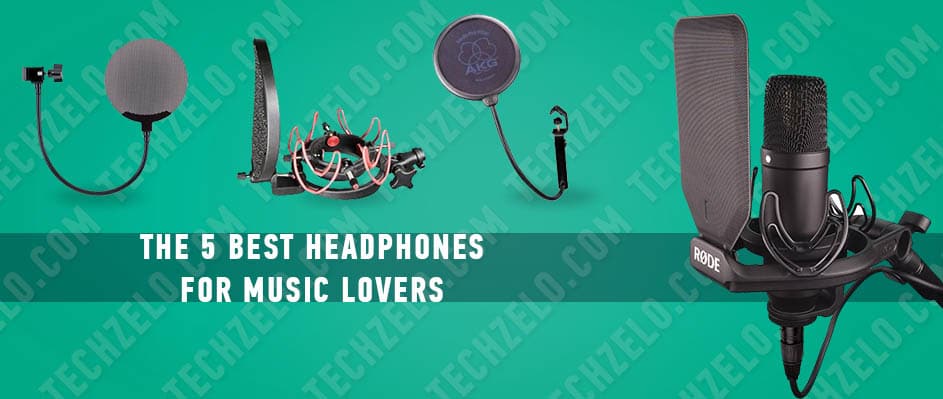
If you want a lifetime metal screen that keeps every bit of clarity, get the Royer Labs PS101. If you’re building a studio mic mount from scratch and want the shock mount and pop shield in one kit, the Rycote InVision Studio Kit is the tidy all-in-one. If you just need a reliable, affordable classic that gooseneck-clamps to any stand, the AKG PF80 does the job.
Quick comparison
| Product | Type | Best for | Mounting |
|---|---|---|---|
| Royer Labs PS101 | Metal-mesh pop filter | Studios wanting a durable, easy-to-clean screen that stays acoustically transparent | Gooseneck clamp to stand or arm |
| Rycote InVision Studio Kit with USM-VB | Shock mount + pop filter kit | Setting up a large-diaphragm mic with isolation and a pop shield in one purchase | Shock-mount cradle with attached pop shield |
| AKG PF80 | Nylon-mesh pop filter | Budget and home-studio setups that need dependable plosive control | Flexible gooseneck clamp |
It serves to stop some sounds that ruin the recording. As sound goes via the circle, the plosives are filtered off thanks to filter mesh. The appliance creates a barrier that blocks and stops unwanted vibrations.
When we read the characteristics of the mics, we can find the embedded pop filter in some of them. This is especially acute for live vocal microphones, for instance, SM58 includes such feature. Other microphones don’t have it and, honestly speaking, the consumer can prefer such option because the external pop filter works much better than any inbuilt appliance.
What Is a Pop Filter?
A mic pop filter is usually made of some material that is semitransparent acoustically. The example of such material is nylon or metal placed over the frame. It should be flexible for easier attachment. If you look at studio condensers you can find some of them with filters included. It makes the result better removing popping sounds and also guards the devices from spits and moisture thus prolonging life of microphone.
The music production industry employs these appliances fully as mic tends to emphasize sounds people usually don’t hear. Professional quality presupposes that filtering is indispensable part of the process otherwise the recording is perceived as spoilt.

Why Do You Need a Pop Filter?
It’s impossible to deliver recorded speech or vocals without vocal pops caused by special plosives. People produce different sounds with different intensity. It takes more energy to produce certain sounds therefore the force of air increases. It all affects the result but the pop shield is able to eliminate the problem and make sound vibrations more or less equal.
The proximity effect is a common problem of directional microphone. Actually, all types of mics are subjected to this problem. Besides, even singers who are able to control the result can’t get rid of this defect without assistance of special appliances. It’s not some sophisticated construction but this small item contributes to enhanced records. Good pop filter doesn’t cost much but the effect is noticeable.
The first thing you should determine
Is the goal of intended use. The musician may need it for live concert, studio recording or just for practicing at home.
Recording the performance in the studio can be challenging. The person probably rents the studio and doesn’t have much time at disposal. He applies to the sound engineer who isn’t going to spend tons of time editing, therefore, superb result is required as soon as possible. High quality mic filter makes the recording session less painful. As for the live performance, there’s no second chance. You won’t be able to sing the same song again. Your audience has already heard the performance of poor quality with plosives and it was terrible. If they record the live concert with smartphone and share it with others this terrible result will become accessible for all your audience. This is not what you expected, right? Take measures in advance to protect yourself from pop sounds and avoid the similar situation.
It’s not what is necessary for musician as he or she practices at home. This seems to be extra accessory that isn’t required in this case – nobody cares. But is it really so? What about you? How do you feel after you listen to the result? The practicing should inspire and encourage you. It shouldn’t disappoint or suppress the person. Attain fabulous result all the time to feel confident about the way you perform. Try to reach the brilliant result at home rehearsal to shine onstage later on. Pop filter for condenser will help you in it. This tool is affordable. So why refuse from this simple low cost appliance that delivers fantastic enhancement of your recording?
Royer PS-101 Metal Pop Filter Black
Rycote InVision Studio Kit with USM-VB
Rycote InVision Studio Kit with USM-VB Review
The Rycote InVision Studio Kit with USM-VB is a great…
AKG PF80 Pop Filter
The Two Types of Pop Filters
Microphone pop filter can be of two types: the filter made of metal and nylon mesh. Which of them works best? It depends upon the circumstances.
The metal filter was introduced to solve the problem of top-end cutoff. Metal items are more durable and can serve long in contrast to the mesh filters. This type of filter also provides better accuracy in comparison with other pop filters. At the same time, the metal filter for the mic is also more expensive. It costs about $50 but much depends on the trademark. If you are not ready to spend such amount, then you should select the mesh filter for low budget variant. It’s enough to spend about $20 to improve the sound considerably.
Though we planned to describe two types of filters only, it’s worth mentioning that there are some items with combination of both accessories.
Some customers resort to doubtful hacks such as putting socks over the frame, trying to create the appliance similar in functionality. However, such alternative is far from what it should be consequently there is no desired effect.
Professional singers are able to sing reducing negative plosives effect in their performance. However, they can only diminish it maximally, not remove this effect altogether. Pop filter is necessary for full removal. It actually redirects the air that causes trouble and distributes it evenly between the holes of mesh.
What About a Windscreen?
A windscreen is often confused with microphone pop filter, but actually, these appliances look differently and consequently work differently as well. They are made in the form of big foam cylinders placed on microphone. The confusion is probably caused by the term microphone pop cover.
The accessory is usually selected when the person captures sound in the noisy street or uncontrolled environment. For instance, it can be used during the interview outside, or at concert. In this way, the screen holds the wind or intensive streams of air protecting the sound of voice. The wind screens also soak in saliva when users spit on microphone while singing. It’s harmful for condenser that can stop functioning due to moisture and humidity. It’s common knowledge that condensor microphone is rather fragile. Therefore, it’s especially important to purchase this accessory for condenser. These covers become perfect protection for such devices.
FAQ
Do I really need a pop filter for vocals? Yes, for close-up vocal or podcast recording a pop filter makes a big difference by taming plosive blasts that no amount of EQ fully repairs. It also keeps saliva and breath moisture off the mic capsule, which helps the mic last longer.
Metal mesh or nylon — which is better? Metal mesh (like the Royer PS101) is durable, wipes clean and stays very transparent, so it barely touches your high frequencies. Nylon fabric (like the AKG PF80) is cheaper and slightly softens the very top end, which some singers actually prefer.
What’s the difference between a pop filter and a shock mount? A pop filter blocks plosive air bursts, while a shock mount isolates the mic from stand vibrations and floor thumps. They solve different problems, which is why a combo like the Rycote InVision Studio Kit bundles both together.
How far should the pop filter sit from the mic? A good starting point is roughly two to four inches (about a fist-width) between the filter and the mic, with the singer just behind the filter. Adjust to taste: closer catches more plosives, further back gives a more open sound.
Can a pop filter replace a windscreen for outdoor use? No — pop filters are designed for studio plosives, not wind. For field or outdoor recording you want a foam windscreen or a furry cover, which handle moving air far better.
Conclusion
Choose by material and what else you need mounted: pick the Royer Labs PS101 if you want a clean, long-lasting metal screen that keeps your highs intact; go for the Rycote InVision Studio Kit with USM-VB when you need a shock mount and pop shield together for a large-diaphragm mic; and grab the AKG PF80 as the dependable budget nylon option for home and podcast setups.
Pop filters might seem like a small addition, but their impact on sound quality is monumental. Investing in a good pop filter can transform your recordings from amateur to professional-grade. These simple yet effective devices act as the unsung heroes of the music world, filtering out unwanted plosives and ensuring a clean, crisp sound. Whether you’re a seasoned musician recording in the studio or a beginner practicing at home, a pop filter is a must-have accessory. Don’t let those sneaky ‘b’ and ‘p’ sounds ruin your recordings—grab a pop filter and let your talent shine!